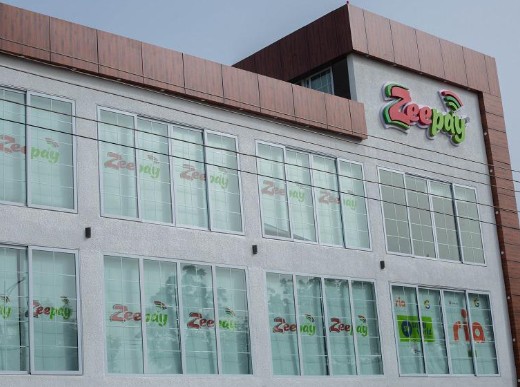

The Bank of Ghana (BoG) has revoked the Dedicated Electronic Money Issuer (DEMI) Licence of Zeepay Ghana Ltd with immediate effect, citing multiple regulatory breaches and persistent non-compliance with directives issued by the central bank.
In a statement issued on Monday, July 14, 2026, the BoG said the decision was taken under Section 13 of the Payment Systems and Services Act, 2019 (Act 987).
According to the central bank, Zeepay repeatedly failed to comply with the terms and conditions of its DEMI licence, with its actions posing risks to customers and the broader payment services ecosystem.
The BoG disclosed that Zeepay issued electronic money without maintaining the required cash backing, creating a negative variance that exposed customers and the payment system to financial risk.
The statement further noted that the company failed to comply with directives to inject sufficient funds to fully back the electronic money balances of customers, agents and merchants, as well as a directive to wind down its electronic money issuance business.
The Bank of Ghana warned that Zeepay’s continued operation under its DEMI licence constituted a threat to the stability of Ghana’s payment system.
The central bank has advised all affected Zeepay wallet holders, agents and merchants to contact the company’s support team on 0593974486 for further assistance.
The revocation takes effect immediately.
Background
Zeepay was founded in Accra in 2014 by Andrew Takyi-Appiah, a former banker with experience at Barclays Ghana and WorldRemit, who built the company around settling remittances directly into local mobile money wallets rather than requiring recipients to visit a physical cash-out point.
Founded in 2014 and wholly Ghanaian-owned, Zeepay received its dedicated electronic money issuer licence in 2020, becoming the first Ghanaian-owned company to hold one.
The fintech grew rapidly, expanding into more than 20 African countries as well as the UK and Barbados, and in 2023 the company settled over 10 million transactions worth more than US$3 billion.
It raised tens of millions of dollars in equity and debt funding from investors including Africa50, Oikocredit, Injaro Investments and Verdant Capital.
However, the company has faced mounting legal and regulatory pressure in recent months. Zeepay has been navigating a collapsed Caribbean subsidiary, a multimillion-dollar court judgment against its chief executive personally, and a creditor attempting to force it into liquidation.
In one notable case, Ghana’s High Court Commercial Division ordered Zeepay and Takyi-Appiah personally to pay more than $11.6 million over client funds that were never forwarded as instructed, with the court finding some of the money had gone into the CEO’s personal mobile wallet.
The company has appealed that ruling.