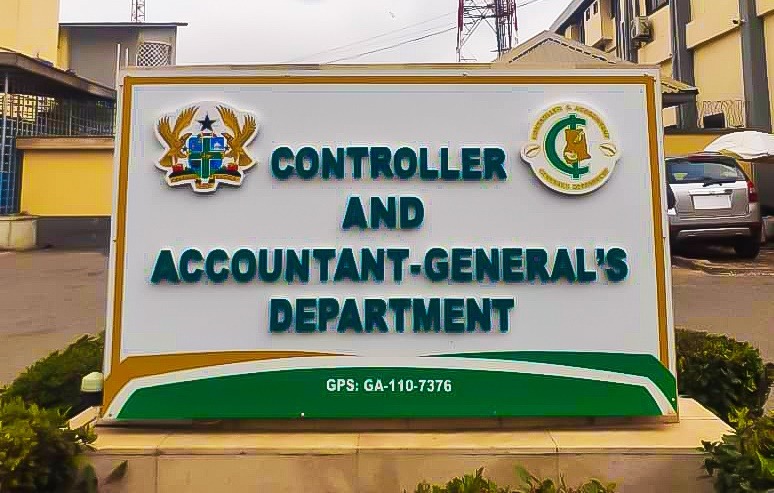

The Controller and Accountant-General’s Department is set to begin recovering student loans from about 4,000 beneficiaries who are currently employed in Ghana’s public service.
This move is aimed at safeguarding the future of the Student Loan Scheme and ensuring that more students can access higher education funding.
For years, the Student Loan Scheme has served as a critical lifeline for many Ghanaian students, helping them overcome financial barriers and pursue their academic dreams.
For countless families struggling with the rising cost of education, the facility has provided much-needed relief.
However, as the number of beneficiaries continues to grow, concerns about the long-term sustainability of the fund have intensified.
Speaking at an engagement with tertiary students in Accra, the Chief Executive Officer of the Student Loan Trust Fund, Dr. Saajida Shiraz, highlighted the significant strides made by the Trust in expanding access to funding.
“I am happy to say that we have disbursed GHC127 million in enhanced loans directly to 46,679 students across public and private institutions in Ghana, and by doing so, we have effectively ended the cycle of delayed disbursement that had for too long undermined public confidence,” she said.
Dr. Shiraz noted that while the Trust continues to support thousands of students, sustained funding and efficient loan recovery mechanisms remain crucial to maintaining the programme.
The call for stronger repayment systems was echoed by the Controller and Accountant-General, Kwasi Agyei who disclosed that authorities have already identified more than 4,000 former beneficiaries currently on the government payroll.
“We have already identified over 4,000 beneficiaries on the government payroll through collaboration with the Trust. In the coming days, we will be engaging with the Trust to agree on the modalities for implementing these deductions,” he stated.
He explained that the deductions would eventually become a standard statutory obligation for beneficiaries.
“We envisage that these deductions will become one of the important statutory deductions from beneficiaries’ salaries, alongside existing obligations such as SSNIT and PAYE,” he added.
The announcement signals a significant step toward strengthening the revolving nature of the Student Loan Scheme, where repayments from former beneficiaries help finance the education of future students.
Education stakeholders at the event emphasized the transformative impact of the scheme, noting that it continues to ease the burden on parents and guardians while expanding access to tertiary education, particularly for students from disadvantaged backgrounds.
In a further indication of its commitment to inclusivity, the Student Loan Trust Fund revealed that more than 50 percent of loans disbursed have gone to persons living with disabilities.
As government moves to enforce repayments, officials say the objective is not merely debt collection but the preservation of a programme that has changed thousands of lives and remains a beacon of hope for students aspiring to higher education.
For many beneficiaries, the loan opened the door to opportunity. For the next generation of students, authorities believe timely repayments could keep that door open.
By Daniel Opoku