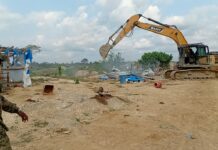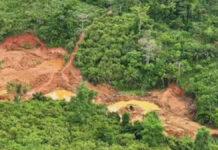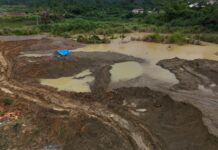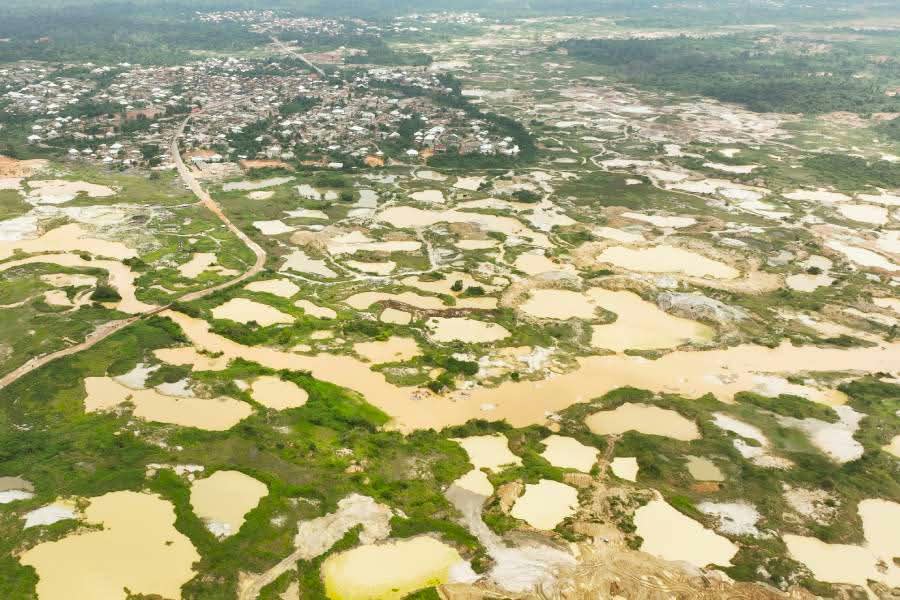

The Ghana Catholic Bishops’ Conference has appealed to President John Dramani Mahama to declare a targeted state of emergency in areas severely affected by illegal mining.
They said government interventions have failed to produce the expected results.
The Bishops said the persistent destruction of water bodies, forest reserves and agricultural lands required more decisive government action, including exceptional measures to confront the menace.
In a communiqué issued at the end of their annual plenary assembly in Jamasi in the Ashanti Region, on Saturday, November 14, 2026, the Bishops said they believed the time had come for the government to declare a state of emergency in the worst-affected locations.
“Considering that the interventions put in place by the government of President Mahama are so far not producing the desired, promised and expected end of the menace of galamsey, we believe that it is NOW time to declare a targeted state of emergency in the locations most affected by illegal and irresponsible mining,” the communiqué said.
The Conference called on the President, whom it described as the father of the Nation, to demonstrate greater courage and determination in protecting the country’s environment.
The proposed emergency, according to the Bishops, should provide an opportunity for the national development and implementation of regulations that would ensure responsible and environmentally friendly mining.

Their position represents a strong intervention by one of Ghana’s most influential religious institutions in the national debate over the government’s response to illegal mining.
The Bishops warned that the consequences of galamsey extended beyond environmental degradation, describing the protection of the country’s natural resources as inseparable from human dignity, social justice and the welfare of future generations.
“We remain deeply concerned about the devastation caused by illegal and irresponsible mining (galamsey), particularly the pollution of water bodies, destruction of forest reserves, degradation of agricultural lands and threats to public health,” they said.
They also insisted that the fight must go beyond occasional enforcement operations to confront the networks that sustain illegal mining.
The Conference called for accountability, sustainable livelihood alternatives and greater community participation in environmental protection.
It further urged regulatory institutions, security agencies, traditional authorities, religious leaders and citizens to combine their efforts and resources to defeat what it described as a common enemy.
“The fight against galamsey must confront networks of complicity, ensure accountability, provide sustainable livelihood alternatives and promote community participation in environmental protection,” the Bishops stated.
The call comes as illegal mining continues to generate national concern over the pollution of rivers, destruction of farmlands and encroachment on protected forest areas.
Beyond galamsey, the Bishops also expressed concern about the alarming levels of drug trafficking and substance abuse, warning that the situation threatened public health, family stability, youth development and national security.
They urged relevant institutions to intensify intelligence-led enforcement, strengthen border controls and provide public education and rehabilitation services.
The Bishops also called on families, schools and religious institutions to strengthen preventive education and support for persons affected by substance dependency.
By Benjamin Aidoo