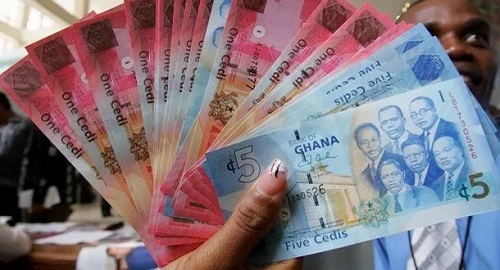

Ghana’s national currency, the Cedi, has marked a significant milestone of 60 years of existence amid a period of notable stability in the foreign exchange market.
This resurgence in confidence is being attributed, in part, to the sound economic leadership of President John Dramani Mahama.
According to Winfred Kingsley Afful, a Business Development Strategist and consultant, the recent performance of the cedi reflects strong macroeconomic management under Mahama’s administration.
“The 60th anniversary of the cedi couldn’t have been marked at a more fitting time than under President Mahama’s leadership,” he stated.

“His six-month record on currency management confirms his prudent and disciplined economic approach.”
Over the past few months, the cedi has maintained relative stability, especially against the US dollar, which dominates global trade and foreign transactions. This is seen by many as a result of tight fiscal discipline, enhanced revenue mobilization efforts, and the restoration of investor confidence under the current economic team.
As Ghana prepares to officially celebrate this milestone, the Bank of Ghana has launched the “Cedi at 60” initiative under the theme:
“60 Years of the Cedi: A Symbol of Sovereignty, Stability and Economic Resilience.” The formal launch is scheduled for early this August 2025, and it is expected to reflect on the cedi’s journey from 1965 to date while highlighting reforms that have shaped its evolution.
The narrative emerging from analysts and financial observers is clear: despite global economic headwinds, Ghana’s currency is experiencing a revival. This is not only symbolic for a nation celebrating six decades of monetary sovereignty but also serves as a vote of confidence in current economic stewardship.
With continued commitment to reform and fiscal responsibility, many hope that this new era of cedi stability will form the foundation for sustainable growth and inclusive development in the years ahead. Pension Age in Ghana is set at 60 years, in relating this to the Cedi at 60, it gives a Reflection on Maturity, Experience, and Economic Wisdom
In Ghana, the official retirement age for public sector workers is 60 years, marking a point at which a citizen is recognized as an experienced pensioner, a person who has contributed actively to national development and is now entitled to dignity, respect, and security.
As the Ghanaian cedi also turns 60 years this year 2025, parallels can be drawn between the life of an experienced pensioner and the current status of the national currency. This symbolic alignment invites both economic reflection and strategic foresight. At this stage, pensioners are expected to transition from active service to a phase of wisdom-sharing, reflection, and financial stability.The same traits should be attributed to our national currency, the Cedi.
Much like a retiree who has seen both hardship and triumph, the cedi has undergone periods of turbulence and reforms over the years. Its current phase, particularly under structured programs and enhanced economic leadership, suggests maturity, reflection, and potential renewal. Recent months have seen cedi stability, reflecting prudent fiscal and monetary control.
The cedi remains a symbol of national identity, sovereignty, and economic potential. As Ghana celebrates “60 Years of the Cedi”, it is an opportunity to treat the currency with the same respect and care as we would an elder or pensioner who has served the nation. The cedi deserves stability, protection, and investment to consolidate all its trajectory of experiences accrued over the years.
This stage of the cedi’s life demands the same dignity and strategic care we accord to pensioners,” Mr. Afful affirms. “The currency should now transition into a phase of stability, protection, and policy-driven investment, especially through forward-looking initiatives like the 24-hour economic policy.
Mr. Winfred Kingsley Afful draws a symbolic comparison between the cedi at 60 and Ghana’s pension age, also set at 60 years. Just as a retiree embodies experience, resilience, and reflection, the cedi too has weathered decades of economic ups and downs from inflation and depreciation to redenomination and recovery. With continued commitment to reform and fiscal responsibility, many hope that this new era of cedi stability will form the foundation for sustainable growth and inclusive development in the years ahead.