

Chief Justice of Ghana, His Lordship Justice Paul Baffoe-Bonnie, has called for a stronger partnership between management and staff of the Judicial Service, stressing that constructive collaboration is essential to improving the quality, efficiency and integrity of justice delivery.
He says trade unionism and management should not be regarded as opposing forces, but as partners united by a common responsibility to ensure that justice is administered efficiently, fairly and with dignity.
The Chief Justice made the call at the 2nd Quadrennial Delegates Congress of the Senior Staff Association of the Judicial Service of Ghana (SSAJUG) held in Sunyani in the Bono Region.
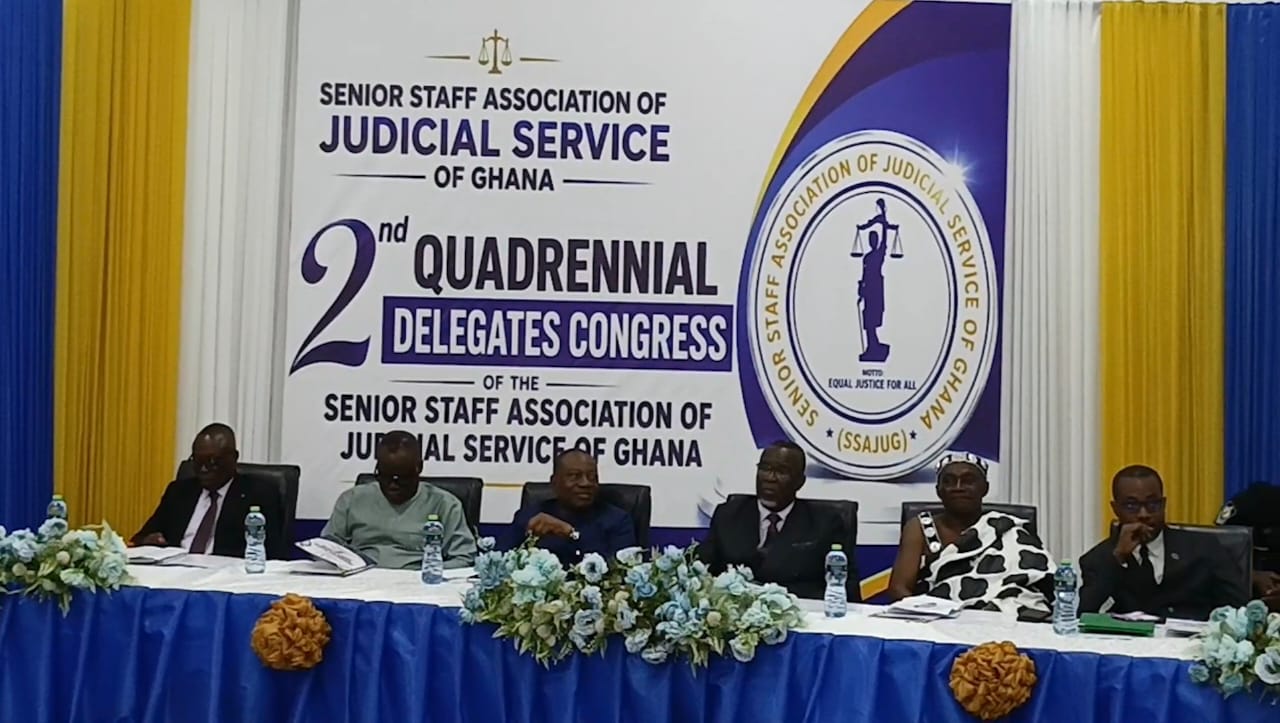
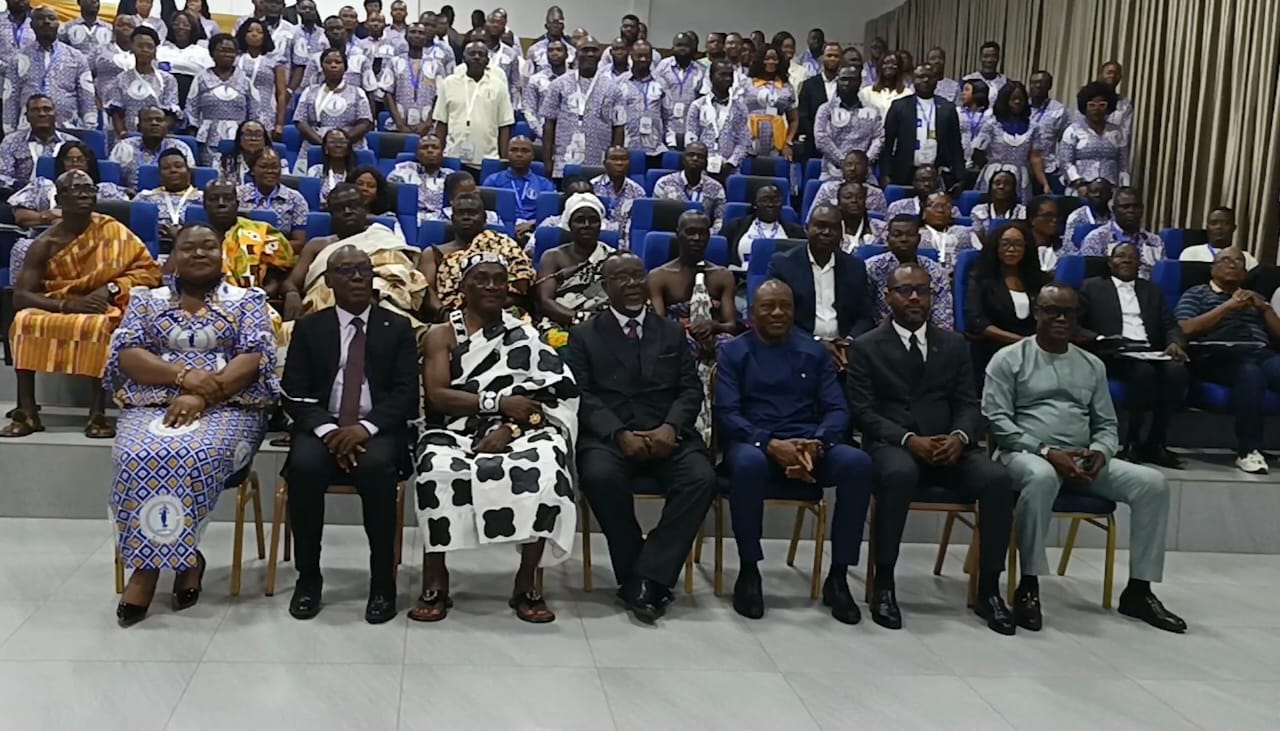
The Congress brought together senior staff of the Judicial Service to deliberate on working conditions, institutional challenges and measures to strengthen the administration of justice.
Speaking on the theme, “Trade Unionism in the Service: Pioneering Partnership with Management in Quality Justice Administration,” Justice Baffoe-Bonnie said a healthy relationship between management and staff was critical to the effective functioning of the Judicial Service.
The Chief Justice acknowledged that disagreements between management and staff are inevitable, particularly on conditions of service and institutional decisions.
He, however, urged both sides to manage such differences through dialogue and mutual respect rather than allowing disagreements to degenerate into hostility.
“Trade unionism and management, when properly understood and responsibly exercised, become natural partners in a single shared enterprise. And what is that enterprise? Justice. Not management, not the union, not the individual employee. It is justice” he emphasized.
Justice Baffoe-Bonnie further noted that the strength of an institution is not measured by the absence of disagreements, but by its ability to resolve differences without undermining the relationships necessary for its effective operation.
“The true test of a mature institution is not the absence of disagreement, but the capacity to disagree without destroying the relationship that enables the institution to function” he said.
The Chief Justice also underscored the critical contribution of senior staff to the administration of justice, stressing that the work of the Judiciary goes beyond judges and lawyers.
He recognized the contributions of registrars, administrators, court clerks, interpreters, bailiffs, accountants, human resource officers, IT personnel, drivers, security officers and other support staff whose work enables the courts to function effectively.
According to him, a motivated, fairly treated and professionally committed workforce is essential to delivering quality and timely justice to the public.
Meanwhile, National President of the Senior Staff Association of the Judicial Service of Ghana (SSAJUG), Marilyn Maureen Suttah, appealed to the Chief Justice to ensure the full implementation of the conditions of service under C.I. 141 and facilitate the conclusion of salary negotiations for 2027 before the end of his tenure.
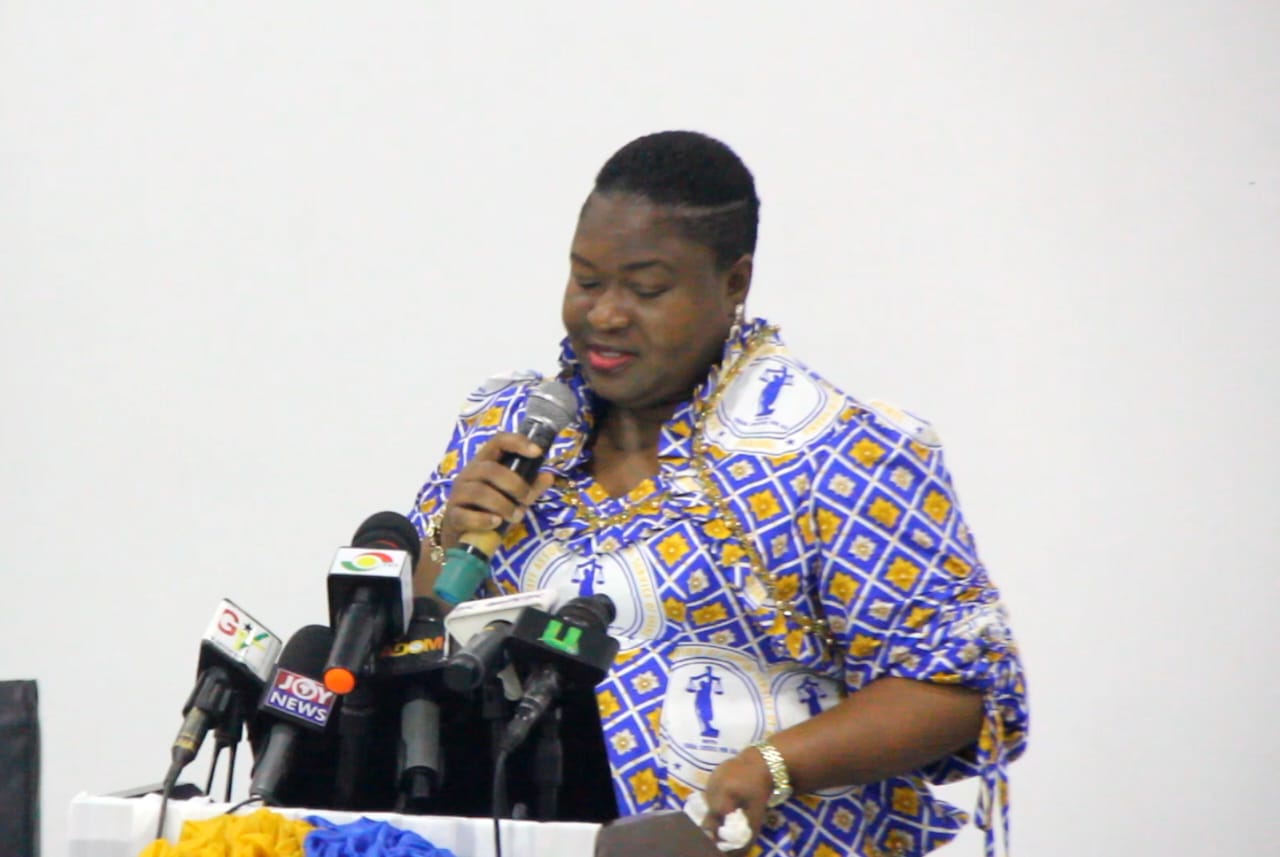
She expressed concern that uncertainty surrounding decent working conditions had contributed to the departure of several experienced and competent senior staff from the Judicial Service, with some seeking better opportunities abroad.
Madam Suttah also called for the refurbishment of deteriorating court facilities to provide staff with safe and conducive working environments.
She urged the authorities to operationalize newly established district courts to expand access to justice and improve the efficiency of the judicial system.
The SSAJUG President highlighted some achievements of the association, including the establishment of a Tier-3 pension scheme in 2019, aimed at strengthening the financial security of its members.
Minister for Labour, Jobs and Employment, Dr. Abdul-Rashid Hassan Pelpuo, also called for sustained collaboration among government, the Ministry of Finance and organized labour in addressing concerns over working conditions.
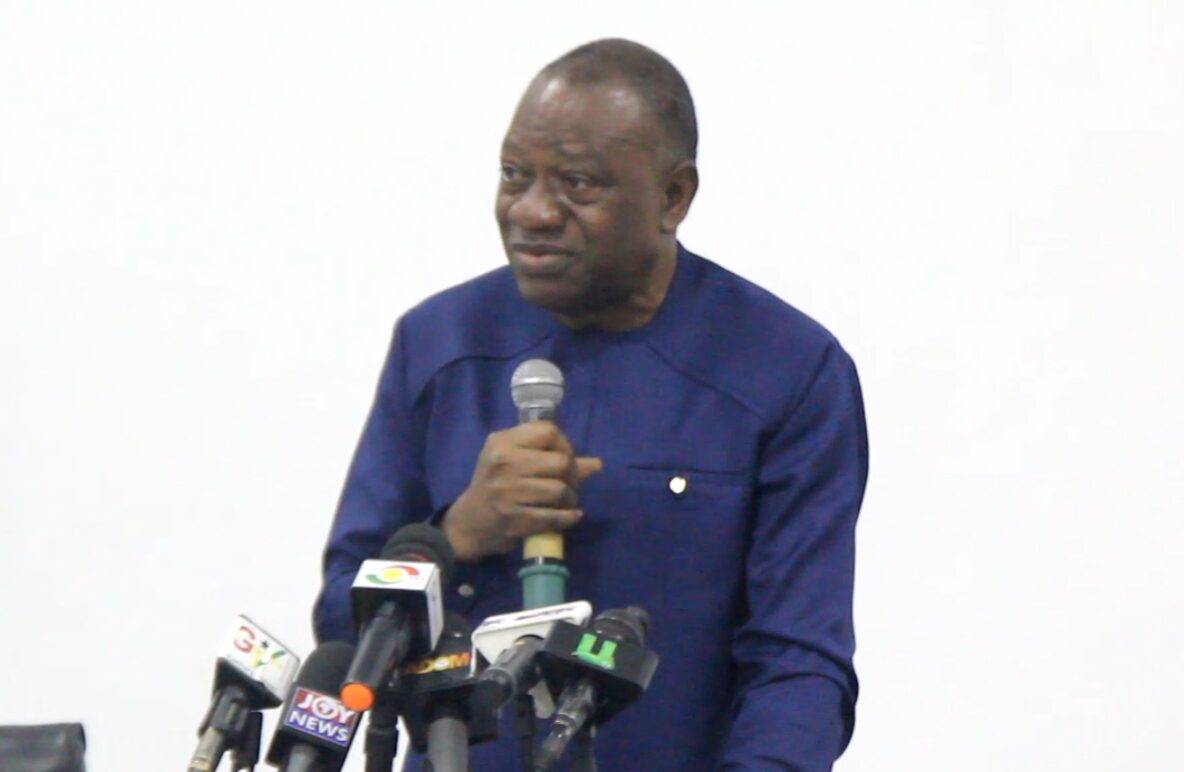
He cautioned that frequent industrial actions could further compound the economic challenges facing the country and urged workers to continue engaging government constructively to resolve outstanding issues.
Dr. Pelpuo expressed confidence that the concerns raised by workers would be addressed through continued dialogue and collaboration.
The discussions at the congress highlight the need for a balanced approach that protects the welfare of Judicial Service staff while strengthening institutional efficiency and ensuring that the justice system remains responsive to the needs of the Ghanaian public.
By Claude Kumi Abisa