
Anti-money laundering and financial crime experts have raised alarm over the increasing use of churches, mosques, and other faith-based organisations as channels for money laundering and illicit financial transactions across Ghana and West Africa.
The warning was issued at a national sensitisation seminar jointly organised by the Inter-Governmental Action Group against Money Laundering in West Africa (GIABA) and Ghana’s Financial Intelligence Centre (FIC) in Accra, where participants urged faith leaders to strengthen financial accountability, transparency, and vigilance within their institutions.
Speaking on behalf of the Attorney-General and Minister for Justice, Dr. Dominic Akuritinga Ayine, the Director of Public Prosecutions, Mrs. Yvonne Atakora Obuobisa, highlighted that the trusted and cash-driven nature of religious organisations makes them particularly vulnerable to criminal abuse.
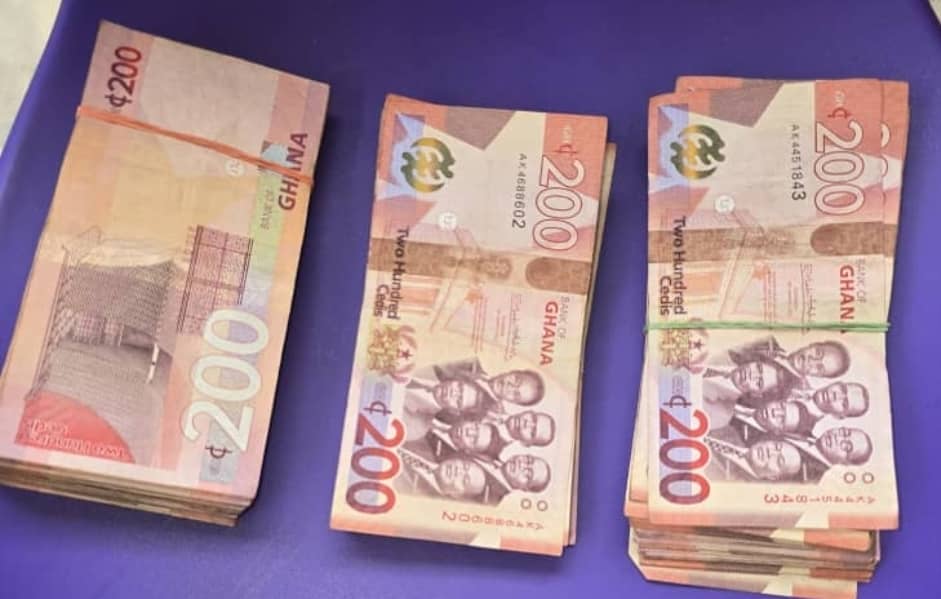
“Faith-based institutions handle significant volumes of donations, tithes, and charitable funds, often in cash, with limited financial oversight,” she said. “This creates fertile ground for money launderers and financiers of terrorism to hide or disguise the origins of illicit wealth.”
She cautioned that unless religious institutions adopt basic financial controls such as proper bookkeeping, donor verification, internal audits, and compliance with reporting obligations, they risk being unknowingly used to move illicit funds.

“This is not just a compliance issue it is a matter of moral responsibility,” she added. “Faith institutions must be seen as places of integrity, not loopholes for financial crime.”
The seminar, held at the Accra City Hotel, brought together senior clerics from major Christian and Muslim denominations, including the Catholic Church, Methodist Church Ghana, the Ghana Pentecostal and Charismatic Council, and representatives from the Office of the National Chief Imam.
The session sought to build awareness on the risks of criminal exploitation of charitable channels, particularly in cross-border donations and faith-based projects that involve high cash flows or foreign funding.
GIABA Director-General, Mr. Edwin W. Harris Jr., in remarks delivered on his behalf by Timothy Melaye, underscored the vital role of religious leaders in the regional fight against money laundering and terrorism financing.

“The abuse of religious platforms to move illicit funds undermines both faith and national security,” he warned. “We must build awareness and capacity within these institutions to identify suspicious activities and report them promptly.”
He emphasised that the credibility and influence of faith leaders make them indispensable allies in promoting financial integrity, especially as money laundering schemes increasingly exploit non-profit and faith-based channels to legitimize proceeds from corruption, drug trafficking, human trafficking, and violent extremism.
Mr. Kofi Boakye, Deputy Chief Executive Officer of the Financial Intelligence Centre, revealed that Ghana continues to face medium-level money laundering threats across multiple sectors, including real estate, gold trading, virtual assets, and non-profit organisations.

“Within the religious sector, laundering schemes often take the form of anonymous donations, project sponsorships, or structured contributions designed to avoid detection,” he said.
“We are urging all faith-based organisations to strengthen internal controls, maintain accurate transaction records, and promptly report any suspicious activity to the FIC.”
According to the FIC, the financial system’s vulnerabilities are compounded by the informal and trust-based nature of religious giving, which often lacks verifiable donor information or traceable banking records.
Experts cited key national laws such as the Anti-Money Laundering Act, 2020 (Act 1044) and the Anti-Terrorism (Amendment) Act, 2014 (Act 875) as critical tools for improving compliance and protecting the integrity of non-profit and religious organisations.
Officials from both GIABA and the FIC pledged ongoing training, policy engagement, and collaboration with faith-based institutions to promote compliance with anti-money laundering (AML) and counter-terrorism financing (CTF) standards.
“Preventing the misuse of sacred platforms requires both regulation and partnership,” one FIC official said. “Religious leaders must understand that transparency is not an intrusion it is protection.”
The issue is not unique to Ghana. Across West Africa, analysts have observed a worrying trend where religious and charitable entities are being exploited by criminal networks to launder proceeds from illicit trade, corruption, and extremist financing.
GIABA, a specialised institution of the Economic Community of West African States (ECOWAS), has been leading efforts to harmonise member states’ anti-money laundering frameworks and promote stronger cooperation between financial intelligence units, law enforcement, and civil society.
The Accra seminar concluded with a call for closer partnerships among religious organisations, state agencies, financial regulators, and law enforcement bodies to prevent the misuse of sacred platforms for criminal gain.
“The fight against financial crime is not just for regulators it is a collective moral and national duty,” participants agreed in a joint communiqué. “Faith-based organisations must lead by example in upholding transparency and accountability.”