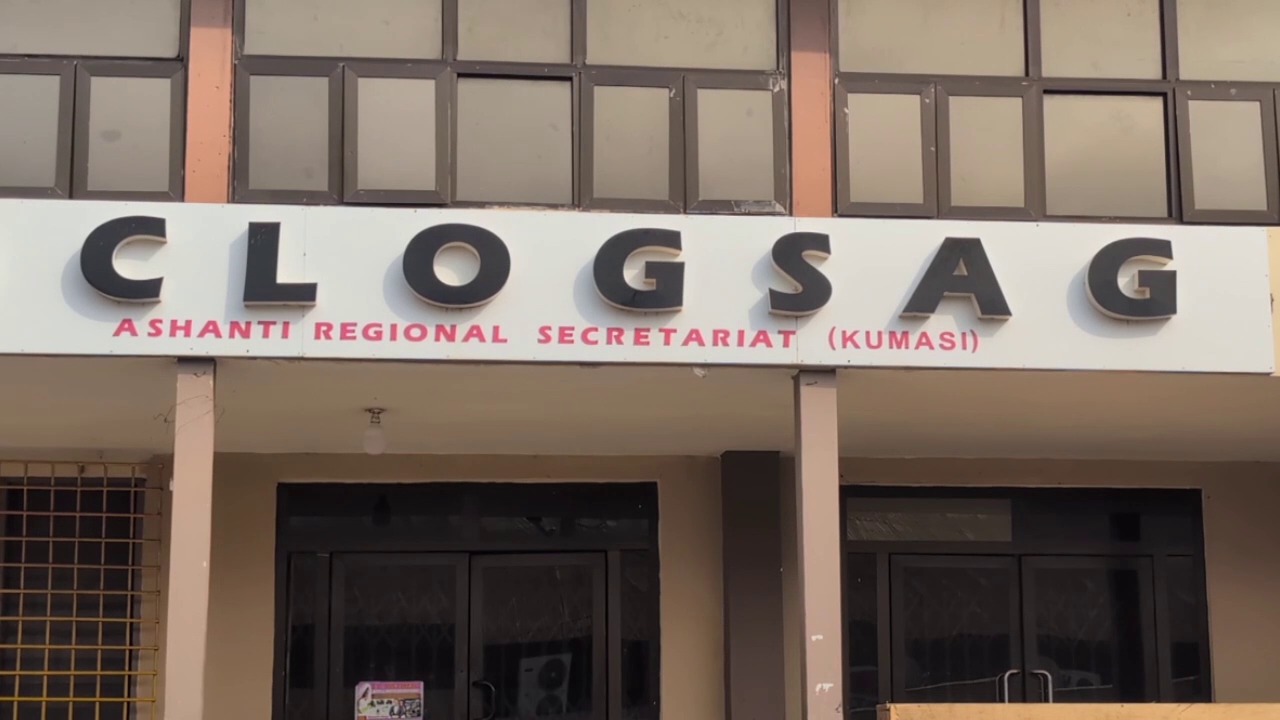

The leadership of the Civil and Local Government Staff Association (CLOGSAG) failed to appear before the National Labour Commission (NLC) to address concerns surrounding its ongoing industrial action.
The meeting, which was expected to provide a platform for dialogue over the strike on March 11, was attended by representatives of the government, including officials from the Head of Civil Service and the Fair Wages and Salaries Commission (FWSC).
However, CLOGSAG representatives were absent.
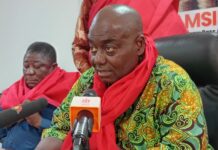
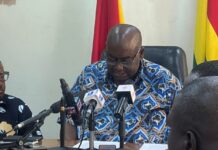
Executive Secretary of the National Labour Commission, Dr Bernice Welbeck, said the Commission had anticipated the presence the Association’s representatives but was left disappointed.
“We expected them to come, but they didn’t come and also did not give any excuse. However, the Head of Civil Service, representing the government- employer and the Fair Wages and Salaries Commission were present,” she said.
Dr. Welbeck explained that the Commission had earlier written to CLOGSAG, urging the Association to rescind its decision to embark on strike and appear before the Commission to address the substantive issues.
“In the first letter we wrote to them, we asked them to rescind the decision and appear. Because they didn’t appear—and by law if a party is on strike without calling it off, the substantive matter cannot be heard—they have been asked to call the strike off and appear before the Commission next week,” she stated.
The National Labour Commission has since declared the strike action by CLOGSAG illegal and has rescheduled the meeting for Wednesday, March 18, giving the Association another opportunity to present its case.
Responding to a question on whether it would still be necessary for CLOGSAG to appear before the Commission if the dispute is resolved before the next meeting, Dr. Welbeck maintained that the Association must still honour the summons.
“Well, if the issues are resolved, then once they have been summoned, they must come before the Commission to report,” she added.
The development comes as the Commission continues efforts to ensure that the dispute is resolved through dialogue and in accordance with Ghana’s labour laws.
By Daniel Opoku