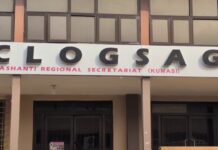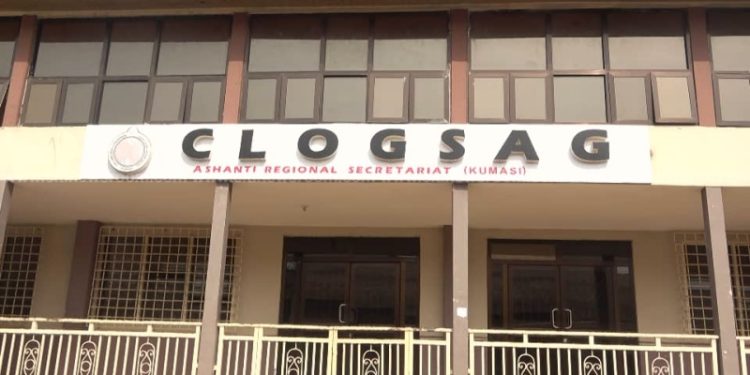

Tensions are mounting within the Civil and Local Government Staff Association of Ghana (GLOGSAG) as frustration grows over nearly 11 months of unpaid second-tier pension contributions owed by the Government of Ghana.
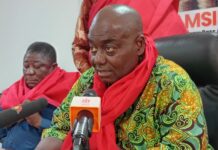
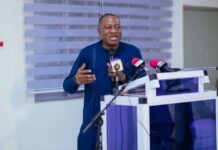
Marking this year’s International Workers’ Day, Deputy Executive Secretary of CLOGSAG, Kodzo Krakani, issued a strong appeal for immediate action to avert potential industrial unrest.
“Government owes eleven months, and we want the arrears to be paid to forestall any growing agitations among our members,” he said ON May 1.
According to the Association, the delay is already having severe consequences for thousands of workers and retirees who depend on pension investments for their livelihoods. CLOGSAG argues that the situation goes beyond administrative inefficiencies and is undermining the financial security of its members.
“For thousands of workers who have dedicated decades of service, the consequences are already being felt,” Mr. Krakani noted. “These delays are eroding the investment returns that retirees depend on for survival.”
Under Ghana’s pension framework established by the Pensions Act, contributions are structured into three tiers: the first tier, managed by Social Security and National Insurance Trust, covers basic retirement income; the second tier is privately managed for investment purposes; while the third tier is a voluntary provident fund.
However, CLOGSAG says the system is under significant strain. Government is reported to owe over one billion cedis in first-tier contributions alone, with some retirees receiving lump sum payments as low as 3,000 cedis after years of service.
The second tier has also been heavily affected. The Association claims that while deductions continue to be made from workers’ salaries, the funds have not been remitted to private fund managers, disrupting investment portfolios.
The situation has fueled dissatisfaction among more than 60,000 CLOGSAG members nationwide, many of whom fear for their financial future.
“You don’t pay people well when they are in active service. The small deductions too you will not remit—why? And you still deny them investment opportunities—who does that?” Mr. Krakani questioned.
He further raised concerns about delays in implementing pension unification measures, as required under the law, describing the current system as discriminatory.
“They have passed legislations, but it is like an apartheid regime of pensions. There is discrimination—some people’s pensions are calculated including allowances, while ours are based on the raw base pay. Why?” he asked. “We want government to facilitate the pension unification process.”
As workers across the country mark May Day, what is traditionally a celebration of labour has, for many CLOGSAG members, become a platform for urgent demands—chief among them, the immediate settlement of pension arrears to prevent further escalation of tensions.
By Daniel Opoku