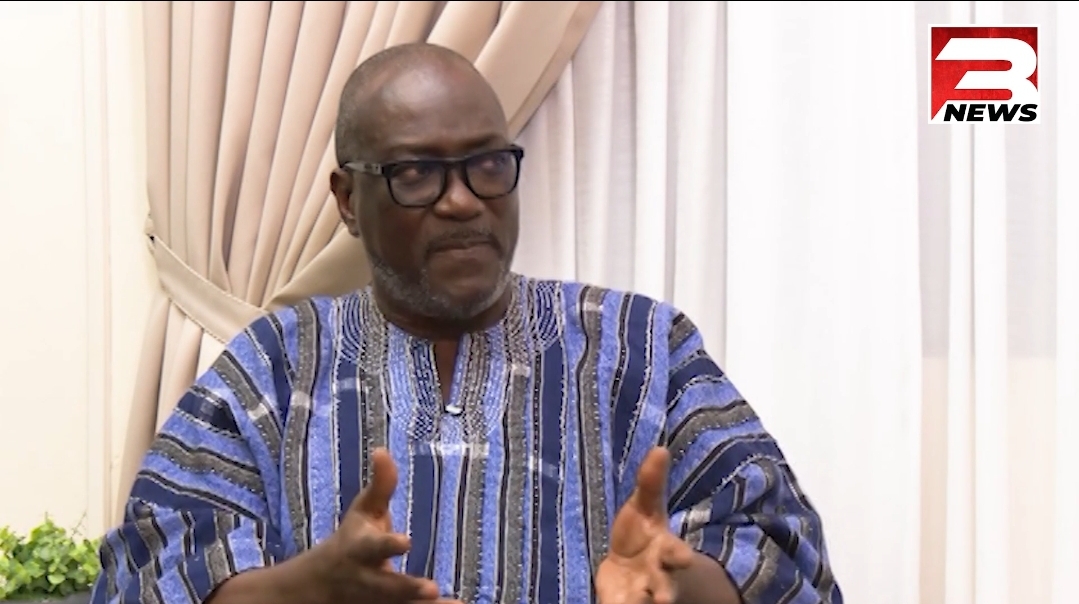

Chairman of the Constitutional Review Committee (CRC), Prof H Kwasi Prempeh, has defended the recommendation for an amendment to Article 62(b) of the Constitution to lower the minimum age a person must attain to qualify for election as President from forty years to thirty years.
He says, though, that it doesn’t mean that when a person is 30, and stands for president he or she is going to get elected.
Speaking in an interview with TV3’s Kemmini Amanor after the CRC presented its final report to President John Dramani Mahama on Monday December 22, he said ” If the people look at you and they say this guy is 90, and so I am not going to vote for a 90-year-old man to get to the presidency or a 90-year-old woman, that is their choice to make.
The people themselves know what they are getting; it is not as if your age is off-limits. They know your age, and if they choose to vote for you, that is their problem. But in the same vein, when we were talking about the minimum age for president, it is currently 40 years, and we said it should come down to 30.”
Prof Prempeh further explained that, “People say how a 30-year-old can? It doesn’t mean that when you are 30, and you stand for president you are going to get elected, it is for the people to decide, if you are 30 and they feel you have accomplished a lot and you have a lot to offer, your maturity shows, your experience shows at 30, and they want to vote for you, that is their choice. In many of the countries that are far more advanced, they are electing much younger people, so 40 years seems to us a bit high because even in 1960, the Constitution allowed 35-year-olds to stand for president.”
The committee believed that this would ensure more youth participation in presidential elections. The Committee recommends an amendment to Article 66(1) to extend the length of a President’s term from four years to five years.

Meanwhile, the committee has said it did not find a place for a third term for a sitting president during its work. Chair of the Committee, Professor H Kwasi Prempeh, said during the presentation of the final report on Monday, December 22, that nobody seemed to really like the idea of a third term.
“We couldn’t find a place for a third term; nobody really seemed to like it, there was really no demand for it,” he said.
Prof Prempeh further stated that the committee also wants a review of how heads of state-owned enterprises are appointed.
With the powers of the Attorney-General, Prof Prempeh said the committee wants the powers of the A-G reviewed and some taken away and given to an Ethics Commission to handle cases of corruption. This, in the view of the committee, is to give the A-G free hands to do international arbitration and big constitutional cases.