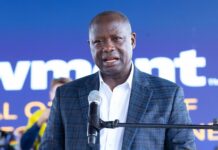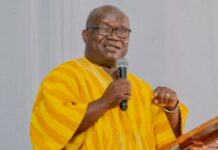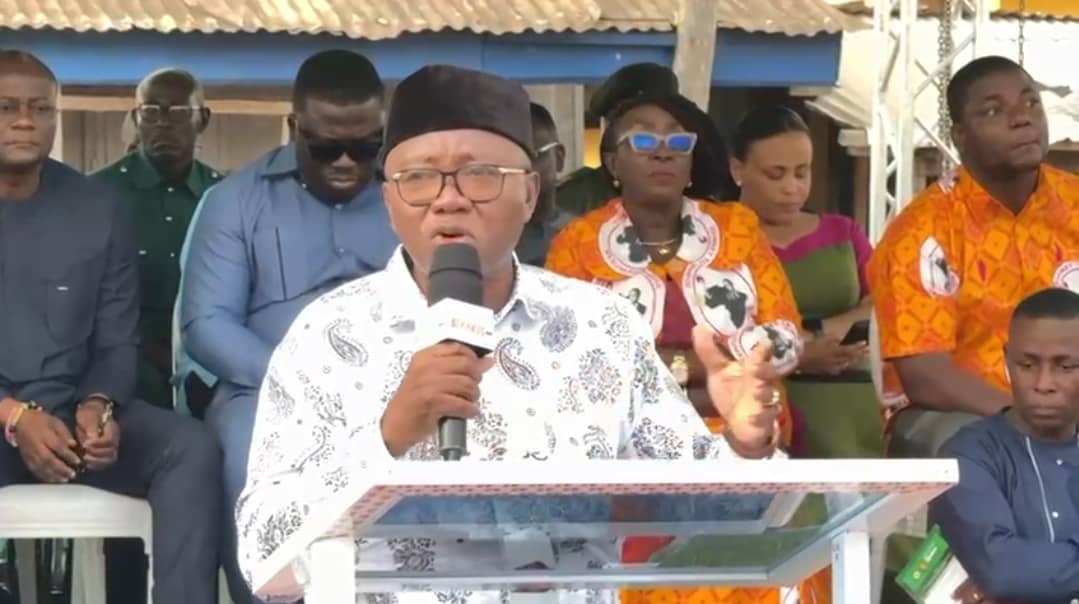

Former Information Minister and Board Chairman of the Ghana National Gas Company, Kofi Totobi Quakyi, has urged traditional authorities to join the fight against illegal mining, stressing that it’s a national threat requiring collective effort.
He believes the fight can’t be left to the government alone, emphasising the need for a unified approach to tackle the issue.
According to him, chiefs have a crucial role in curbing the menace and should take the lead in their respective traditional areas.
Speaking at the Nsein Kundum festival on Saturday, September 20, 2025, he urged the chiefs (Nananom), to initiate efforts locally and call on the state for support when necessary.
He expressed confidence that the issue can be tackled without declaring a state of emergency.
He cited recent efforts adopted by the Minister of Lands and Natural Resources, Emmanuel Armah-Buah, in fighting the canker.
“Already, Hon. Armah Buah has successfully initiated efforts to rescue the Atewa Forest from illegal miners without a state of emergency. Some illegal miners along the Ankobra River have also been removed. This shows it’s possible to combat the issue without the state of emergency. And it is also important that Nananom join the fight.
“If Nananom indeed believe this is a national crisis, then we want them to lead the fight in their areas. If not, it would appear that the government alone should lead the fight, because the illegal miners will fume at the chiefs if they get involved. So, I’ll plead with the Western Regional House of Chiefs to take charge, lead the fight in your respective areas, and call the Minister and the National Anti-Galamsey Task Force to come and help, so that the issue is seen as a national crisis, and the fight isn’t left to the government alone.”
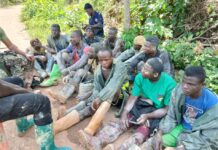
The calls for a state of emergency to combat galamsey have intensified due to the devastating impact of illegal mining on the environment, water bodies, and forests.
The Ghana Catholic Bishops’ Conference has described galamsey as a “national calamity” threatening the nation’s very soul, citing the severe destruction of water bodies and forest reserves.
Ghana’s water bodies, including rivers like Pra, Ankobra, Birim, and Ayensu, are heavily polluted with mercury and toxic substances, posing significant health risks to residents in affected areas and the nation as a whole.
With the alarming health implications, Ghana is recently recording rising cases of cancers, kidney failure, neurological disorders, and skin diseases linked to contaminated water and food sources.
The environmental damage is equally concerning, with over 44% of Ghana’s forest reserves destroyed and widespread deforestation.
The canker has also negatively impacted Ghana’s economy by undermining sustainable sectors like cocoa production and costing billions in lost productivity.
Civil society groups, environmental advocates, and concerned citizens are urging President John Dramani Mahama to take decisive action, including declaring a state of emergency, revoking Legislative Instrument 2462, and strengthening mining laws with harsher penalties.
But the President has said there are other means to explore to get the problem fixed, other than declaring a state of emergency in the country.
The government’s response has been met with skepticism, with critics arguing that existing measures are insufficient to address the scale of the crisis.
The Nsein Kundum festival, celebrated by the Ahanta and Nzema people, typically occurs from mid-August to September, featuring drumming, dancing, and feasting. It’s a significant cultural event that strengthens community bonds and preserves traditional music and dance.
Galamsey fight: There is no political will, only political rhetoric – Bentil