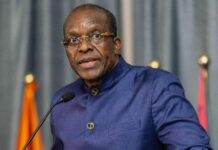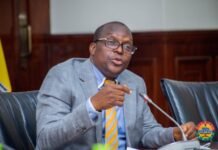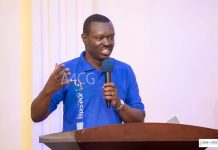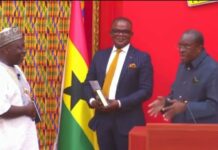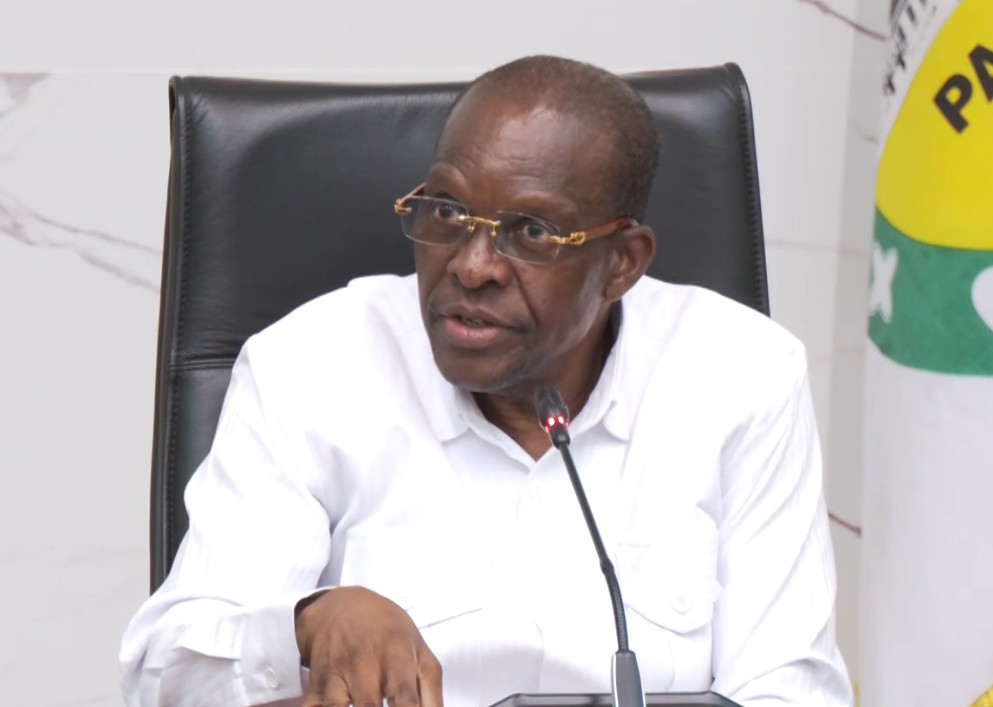

The Speaker of Parliament, Alban Sumana Kingsford Bagbin, has bemoaned the growing monetisation in politics, expressing fear that the development will destroy the nation’s democracy.
He believes the rising cost of political participation will limit governance to the few who can patronise at the detriment of the masses.
According to him, rather than serving the needs of the people, politics will turn into an investment avenue where those who can afford will channel their resources in order to recoup later.
Mr. Bagbin, speaking at the opening of the three-day High-Level Regional Convening on the Financialisation of Politics in Africa in Accra on Tuesday, July 14, 2026, noted that the ongoing trajectory will create a political system where financial strength, rather than ideas and commitment to public service will determine who gains political power.
“When money becomes the principal determinant of political success, democracy risks becoming inaccessible to ordinary citizens.
“Public office is then viewed less as a public trust and more as an investment to recover it. Political competition shifts from a campus of ideas and services to a contest of financial power,” Mr Bagbin said.
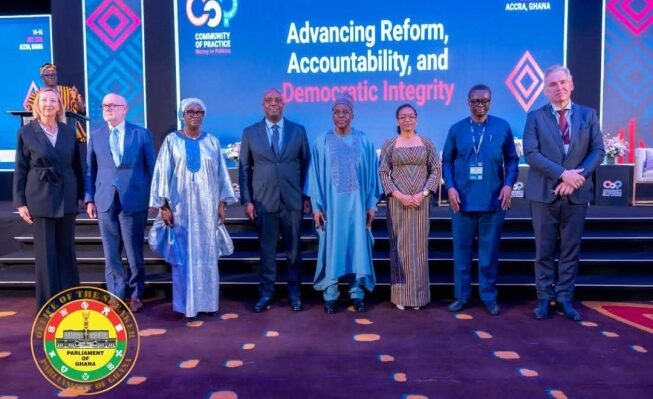
The meeting has brought together senior government officials, anti-corruption institutions, electoral bodies, civil society organisations, researchers, development partners and governance practitioners to discuss the growing influence of money in African politics and explore practical reforms.
The event, convened by the African Union Advisory Board Against Corruption, the Community of Practice on Political Finance in Africa, the Ghana Centre for Democratic Development, Open Society Foundations and Transparency International Ghana, seeks to raise public and policy attention to the impact of money on politics and translate research on political financing into actionable policy reforms.
According to Bagbin, the challenge is not peculiar to Ghana or Africa but has become a global threat to democratic governance.
“Across Africa and indeed the world, democracy is under increasing pressure. As a matter of fact, democracy is backsliding,” he said.
He cited declining public trust, illicit financial flows, state capture, opaque campaign financing and the increasing commercialisation of political competition as some of the threats confronting democratic institutions.
“Ultimately, citizens lose confidence in democratic institutions and become increasingly disengaged from the political process,” the Speaker said.
Drawing on his political experience since 1992, Mr Bagbin said the cost of participating in elections had risen significantly over the years.
He recalled financing much of his early political campaign from his personal savings and later relying on his wife’s savings when his resources became inadequate. “That was the cost of deciding to go to serve my people,” he said.
Mr Bagbin said the realities of political financing were often more complicated than public discussions suggested, particularly because politicians faced financial demands from constituents and communities.
“You don’t go to the House of Chiefs with empty hands. And when you visit your constituency and you don’t fight for their education, and you don’t fight for their health, and you don’t give money to the poor, and the rest, they say they haven’t seen you,” he added.
Speaker Bagbin pledges government support for UBIDS, backs bid to train lawyers