


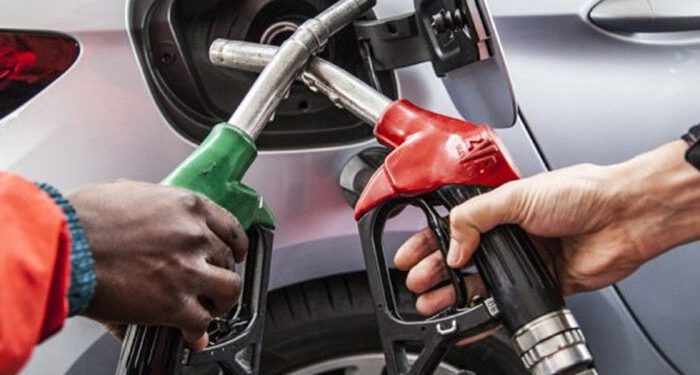

The Minister of Energy and Green Transition, Dr John Jinapor, has said that domestic petroleum consumption reached about 7.45 billion litres in 2025, and total demand for petroleum products grew by about 15 per cent.
Behind those figures, he said, are millions of transactions every day between operators and ordinary Ghanaians.
He made the point that growth must come with the capacity to keep every one of those transactions safe, fair and accountable.
“To build a safe downstream sector and consumer confidence, we need three commitments: consumer awareness, effective regulation and protection, and responsible energy use,” he said in a statement read on his behalf during the National Petroleum Authority’s (NPA) Consumer Week celebration last week.
First, consumer awareness
Dr Jinapor explained that an informed consumer is the first line of protection.
The Authority, he said, inspects outlets nationwide, but no inspector can stand beside every pump or be present in every kitchen. Consumers must therefore know their rights and their responsibilities.
At the filling station, every consumer deserves the full quantity paid for. So:
· Watch the pump reading, and check the price displayed.
· Ask for a receipt.
· Patronize outlets whose pumps carry the green Ghana Standards Authority verification sticker.
· Where you doubt the quantity, ask for verification with the 10-litre measuring can, popularly known as the Ntease Kuruwa.
· Never buy fuel from unlicensed sellers or from illegal siphoning.
For Liquefied Petroleum Gas (LPG) users, he urged them to never accept a damaged or unmarked cylinder.
“Inspect your hoses and regulators regularly and cook in a well-ventilated space. And report what you see. Suspected under-delivery, poor-quality fuel, unsafe practices and unfair treatment should be reported to the Authority’s Consumer Services Directorate and its complaints channels. A consumer who reports irregularity is not creating a problem; that consumer is protecting others,” he said.
Complaints are not files to be closed, he added, stressing that they” show us patterns of poor service and practices that need investigation. When the Authority listens and acts, complaints become a tool for better service.”
He commended the Authority for taking consumer education to markets, transport terminals and communities, including the recent Asogli Yam Festival and the Oguaa Fetu Afahye.
“I urge traditional authorities, the media, transport unions and civil society to carry this message all year, not only this week,” he said.
Second, effective regulation and consumer protection
Dr Jinapor said that consumer confidence must be backed by firm regulation and consistent enforcement.
The Authority’s inspections, monitoring and quality assurance, working with the Ghana Standards Authority and the security agencies, remain essential to accurate dispensing, preventing adulteration and stopping illegal petroleum activities, he said.
He said that nothing matters more to household safety than the cylinder in the kitchen.
“The Ghana Cylinder Manufacturing Company found that nearly 30 per cent of cylinders presented for refurbishment were defective. Those cylinders were sitting in people’s homes.
“That is why Government backs the Cylinder Recirculation Model. Under it, consumers exchange empty cylinders for safely filled and inspected ones at designated points, and defective cylinders are taken out of circulation. The model is operating in Accra, Kumasi and Tema, and it must expand. We will expand it with sustained public education, with respect for existing investments in refilling stations, and with attention to access and affordability, so that no rural or low-income household is left behind,” he said.
Rehgrading safety and fair prices, he said they mean little without supply.
“The extension of three petroleum agreements, including Offshore Cape Three Points, has unlocked about US$3.5 billion in upstream investment over the next three years. GNPC and its partners have also agreed terms to upgrade the OCTP gas project, raising gas production by up to 350 million standard cubic feet a day by 2028. More domestic gas means stronger energy security and less exposure to global shocks.
“Government also expects the regulator to be firm and fair. This year the Authority has pursued a reset agenda, joined regional work on harmonizing fuel specifications, and hosted GHIPCON 2026 with a focus on fuel quality and reliable supply. A regulator must meet the standard it sets for others.
“To our industry operators: your license is a public trust. Full measure, quality products, transparent pricing, safe facilities and respectful service are obligations, not favours. Calibrate your equipment, train your staff and treat complaints as seriously as sales. Government will support responsible businesses, and those who cut corners will face the full weight of the law.”
Third, responsible energy use
Dr Jianpor said that safety is a shared responsibility, and much of it rests on simple daily choices.
· Motorists: maintain your vehicles, switch off your engines when refueling, and never store fuel in unapproved containers.
· LPG users: maintain your equipment, keep your kitchen ventilated, and close the cylinder valve after use.
· Everyone: reject illegally sourced products and unsafe refilling practices.
“I also make a special appeal. When a fuel tanker is involved in an accident, please do not gather to collect spilled fuel. What looks like an opportunity can become a tragedy in seconds. Keep away, call the emergency services, and let trained personnel handle it. To our security agencies and emergency services, I ask you to deepen your coordination with the NPA, so that siphoning, tanker accidents and fires are prevented, and the response is swift when something goes wrong.
“These simple decisions save money, prevent accidents and protect lives,” he said.