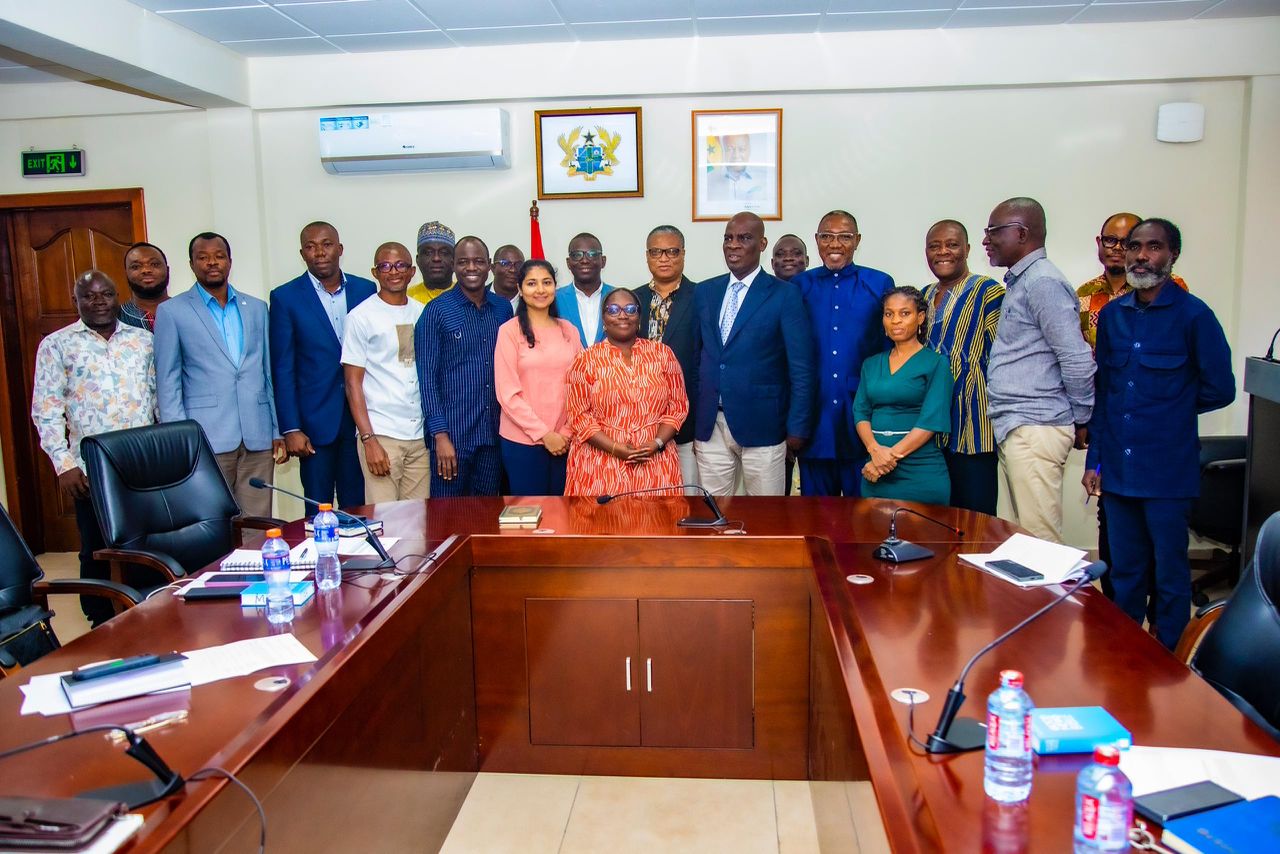

The Ministry of Education has launched the reconstituted Education Sector Research Group (ESRG) to enhance data-driven policy making.
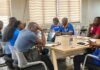
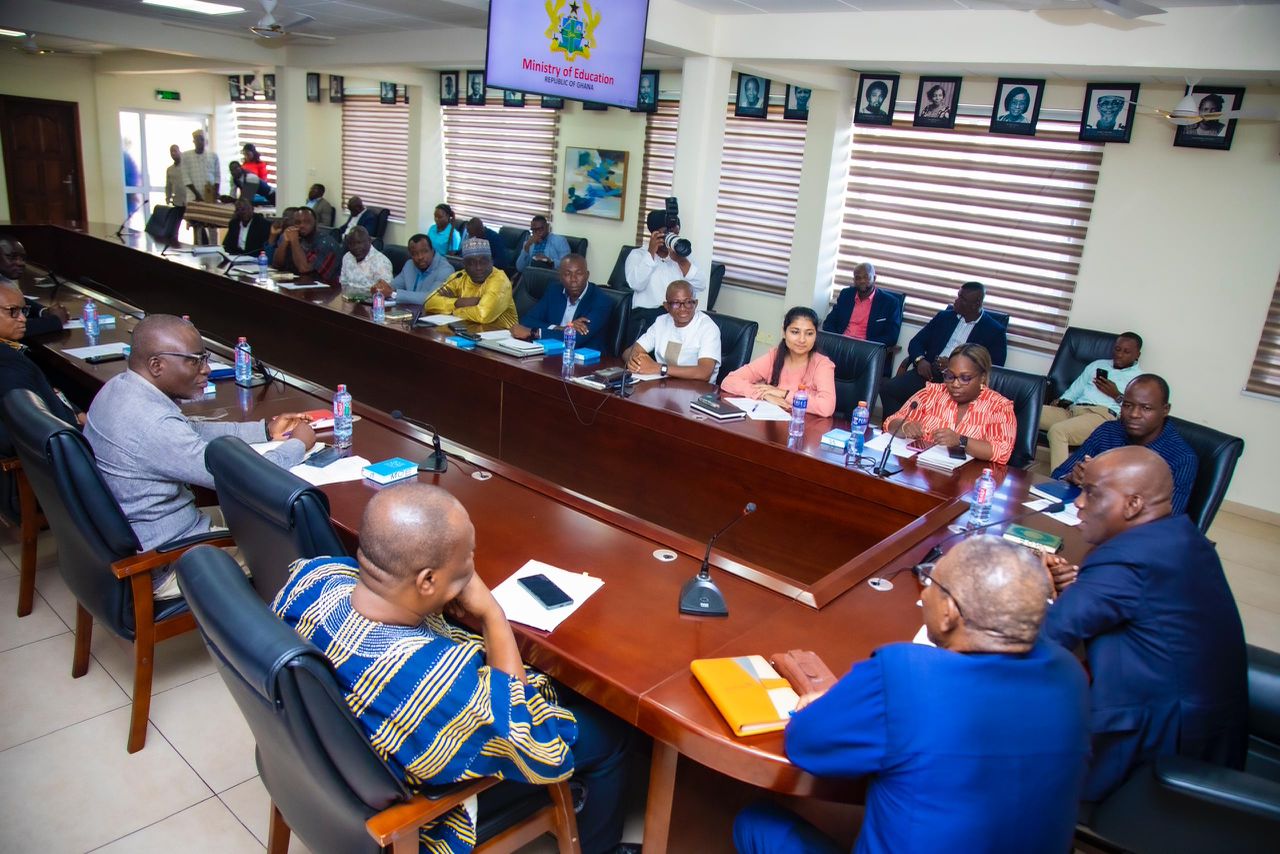
The inauguration of the ESRG, a core initiative under the Ghana Accountability for Learning Outcomes Project Additional Financing (GALOP AF2), brought together key stakeholders from academia, civil society, development agencies, and the education sector to reaffirm their commitment to evidence-based reforms in education.
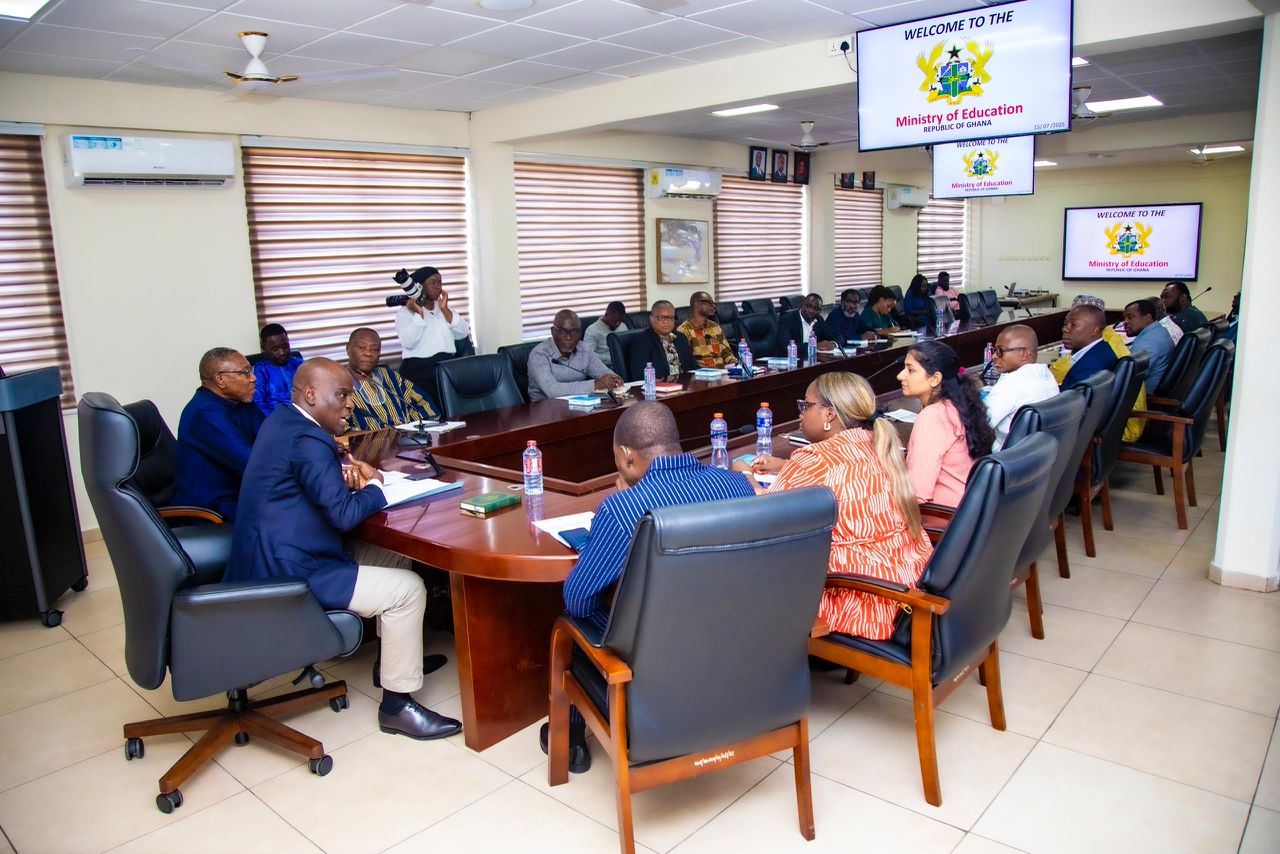
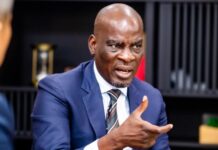
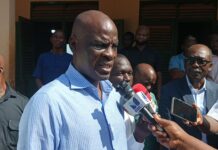
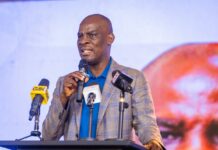
“This marks a new chapter for research and policy in our education sector,” said the Minister for Education during the event. “Evidence without action is merely information. But evidence harnessed for strategic decisions is the power to allocate resources equitably to improve learning outcomes.”
Reinvigorating the ESRG for greater impact
The reconstitution of the ESRG forms a central pillar of the GALOP AF2 initiative, which seeks to expand proven interventions and enhance the research infrastructure supporting them.
The reformed ESRG will now include a broader and more inclusive membership, drawing expertise from universities, think tanks, civil society organizations, and international development partners.
“The previous ESRG provided useful insights, but the pace and scope were not sufficient,” the Minister explained. “This new group will bring vibrancy and diversity, ensuring a wider range of perspectives inform our policies.”
A hub for collaboration: GEEDLab
A major innovation under GALOP AF2 is the establishment of the Ghana Education Evidence and Data Laboratory (GEEDLab), which will serve as a national hub for education data science and research. The ESRG will steer the lab’s work, ensuring it aligns with real-time policy priorities.
“With GEEDLab, we now have a space where data scientists, researchers, and policymakers can collaborate—not in silos, but as one ecosystem focused on actionable knowledge,” the Minister noted.
Faster, smarter decision-making
The revamped ESRG is expected to reduce the gap between research and implementation, addressing urgent challenges such as learning losses, digital inequities, and education in emergencies.
The Minister outlined the group’s main responsibilities, including:
- Drafting and finalizing a national Research and Learning Agenda (RLA)
- Generating and synthesizing high-impact research
- Monitoring evidence uptake in policy decisions
“We need the ESRG to be relentless in sharing data, challenging assumptions, and collaborating across disciplines,” the Minister emphasized. “Our goal is not only to produce knowledge but to use it quickly and wisely.”
Driving accountability and learning
The Minister urged ESRG members to commit to quarterly, data-driven reviews and to champion transparency by publishing research protocols, datasets, and results.
“Let’s turn this group into a reference point of vibrant collaboration and decisive action. The future of millions of Ghanaian children depends on the quality of the choices we make today,” the Minister said.
Support from development partners
The Ministry also acknowledged the crucial role of development partners in bringing the ESRG to life. Special appreciation was extended to the SCALE Funders, the Global Partnership for Education (GPE), and the World Bank for their continued support of Ghana’s education transformation.
“Our partners have shown great confidence in Ghana’s capacity to learn, adapt, and lead in educational reform,” the Minister said. “We thank them for investing in our journey.”
With this new structure in place, the Ministry of Education aims to ensure that research and evidence are not only generated but embedded in the heart of decision-making—paving the way for a more equitable and effective education system.
TVET will produce job creators instead of job seekers – Education Minister