
The Ghana Institute of Architects (GIA) has warned against the use of uncompleted buildings for church services, cautioning that such structures are vulnerable to collapse due to structural weaknesses worsened by vibrations.
President of the Institute, Tony Asare, indicates the church activities usually exert pressure on the already compromised structures.
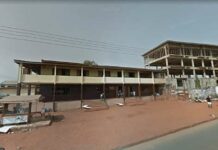
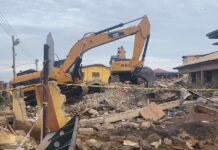
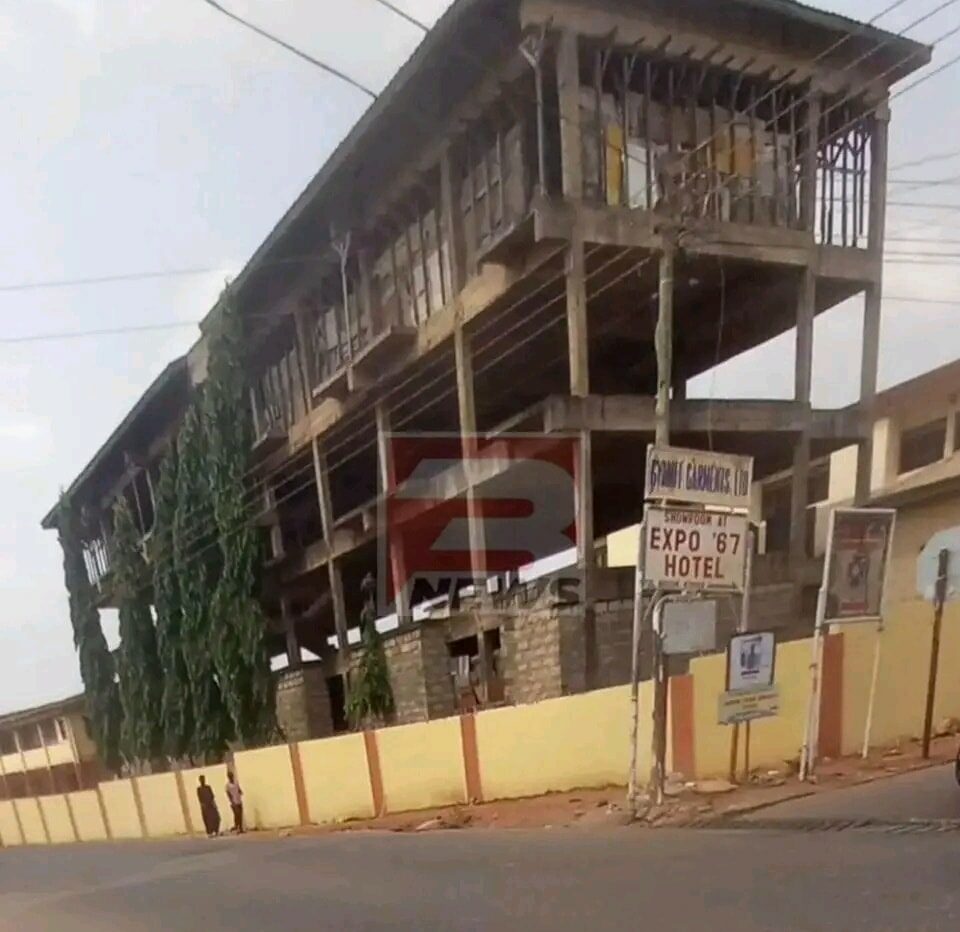
His warning follows the collapse of an uncompleted three-storey building near the Experimental D/A School at Accra New Town, which claimed three lives on Sunday, March 29, 2026.
Twenty-three (23) persons, made up of 15 females and eight males, including three minors, were trapped when the structure caved-in while the worshippers were inside the building that had been converted into a makeshift church.
Mr. Asare, in an interview on Joy FM Monday, March 30, 2026, said the buildings are usually affected by the pressures exerted on them through the church activities.
“In our churches, we do a lot of drumming and singing, and the rhythm affects buildings,” he said. “These activities actually set buildings on resonance and even weaken it further.”
He questioned the acceptability or otherwise of uncompleted buildings that are used as churches, describing such acts as dangerous.
“These days, you even see churches operating within incomplete structures, including spaces around fuel stations,” he said. “Is it acceptable for a building that is not fully completed to be used for such purposes?”
He criticised the blatant disregard for existing laws guiding the occupation of buildings without proper certification.
“Before a building can be occupied, it must have a certificate of habitation,” he said. “If the building is to be used for a different purpose, then the design must be reviewed to suit that use.”
He noted that property owners often grant access to such structures, raising questions about responsibility and enforcement.
According to Mr. Asare, the issue had been discussed within professional circles for years without meaningful action.
“We have discussed how church buildings should be designed to withstand these activities, but nothing has changed,” he said.
The GIA boss further described as part of a recurring national problem, the collapse of the three-storey building at Accra New Town, driven by weak enforcement, substandard materials and poor workmanship.
“A lot of our buildings do not meet the required standards,” he said. “Why does this keep happening?”
On construction materials, he raised concerns about discrepancies in the quality of reinforcement bars on the market.
“Some companies advertise iron rods as 14mm, but when you check, they measure about 12.5mm,” he said. “People buy them thinking they are getting the right size.”
He added that some materials were brittle and failed to meet safety requirements, noting that the Ghana Standards Authority was responsible for quality checks but faced capacity constraints.
Concerns over unregulated construction practices
Mr Asare also criticised provisions in the current building regulations under Act 2465, which place significant responsibility on developers without requiring strict professional oversight.
“If you engage a mason or steelbender from the roadside, there is little in the law to prevent it,” he said.
He disclosed that the Ghana Institute of Architects was preparing a position paper to advocate reforms to strengthen the regulatory framework.
The GIA President further highlighted the limited number of qualified professionals within district assemblies tasked with enforcing building regulations.
“We have 261 assemblies, but only about 10 architects, possibly not more than 12,” he said. “People without the right training are performing roles they are not qualified to handle.”
He questioned how effective supervision could be achieved under such conditions.
“If there is no architect or engineer at the assembly, who supervises the building when officials visit sites?” he asked.
Mr Asare called for urgent national action to address the situation. This country must take the safety of its people seriously,” he advised.
Interior Minister confirms 3 deaths in Accra New Town’s three-storey building collapse