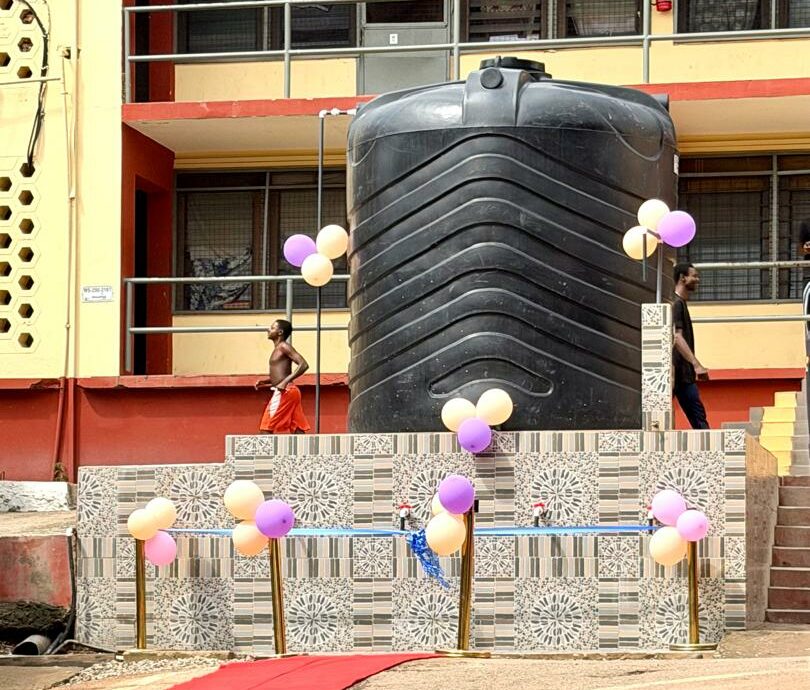

The Takoradi Technical University (TTU) is set to receive further relief from its persistent water challenges following the commissioning of a new borehole by the Effia-Kwesimintsim Municipal Chief Executive Abdul Majeed Dorkurugu.
He commissioned the project with the Chief Executive Officer of the Youth Employment Agency (YEA), Malik Basintale, and pledged two additional boreholes for the university.
The intervention forms part of a broader effort to improve water supply on the campus and reduce the university’s growing reliance on purchased water whenever the Ghana Water Company’s supply becomes unreliable.
The newly commissioned facility is one of four boreholes being provided at strategic locations across the university, while Mr Basintale has committed to supporting the installation of two more. For the university authorities, the intervention could not have come at a more critical time.
Provost of TTU, Ing. Prof. Ebenezer Boakye, said the institution had been spending significant resources purchasing water for students during periods when water stopped flowing through the Ghana Water Company’s pipelines. He said the additional water infrastructure would not only address a major challenge facing students but also free management to channel resources and attention into other pressing developmental needs. “This initiative is going to be a very big thing for the university going forward. We foresee that the issue of the water problem is going to be over.”
He added that reliable water supply would allow students to concentrate on their studies while management focuses on projects aimed at improving the overall campus experience. The Provost also disclosed that discussions were already underway with the Municipal Assembly on other infrastructure needs, including the improvement of the drainage system on campus.
MCE for Effia-Kwesimintsim, Abdul Majeed Dorkurugu, said the borehole was only one component of the Assembly’s broader commitment to supporting TTU and improving the fortunes of the municipality.
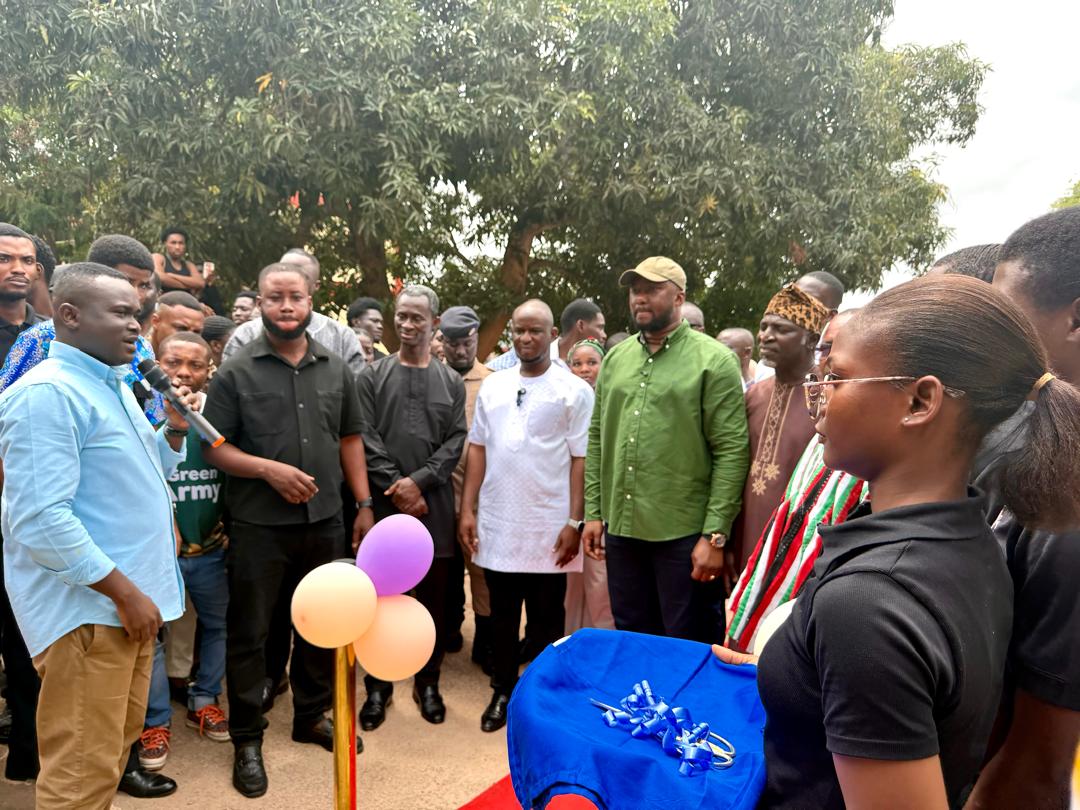
He assured the university community that the Assembly would continue to identify areas where it could intervene, particularly in providing infrastructure and other facilities needed to support teaching, learning and student welfare. “This will not only end here,” Mr Dorkurugu said, noting that the Assembly had other interventions planned to support the development of the university community.
He also highlighted the Assembly’s commitment to students, including support with fees and other forms of assistance, describing the broader objective as part of efforts to position TTU as a “premier and citadel of excellence in education.” The MCE’s interventions, he said, were intended not only to respond to immediate challenges but also to create an environment in which students could learn and develop without being unduly constrained by basic infrastructure deficits.
For YEA CEO Malik Basintale, however, supporting young people goes beyond helping them acquire academic qualifications. He said government’s ultimate responsibility was to create practical pathways for young people to translate their education and skills into employment opportunities after graduation.
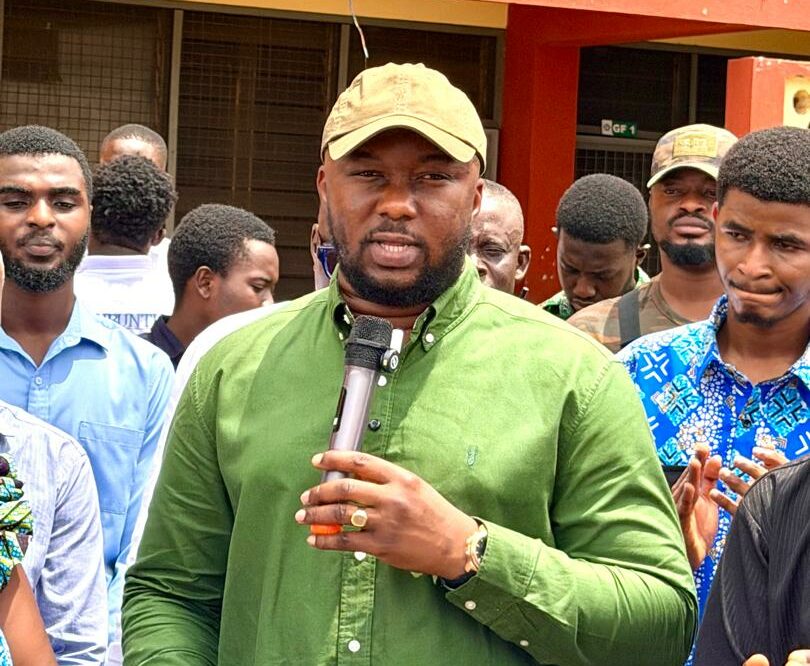
Mr Basintale acknowledged the assurances given by the MCE and pledged his support towards addressing some of the university’s outstanding needs. But he used the occasion to make a broader case for government’s youth-focused interventions, arguing that education must ultimately lead to opportunities for young people to deploy the knowledge and skills they acquire.
He said a graduate who leaves school without a platform to apply their skills risks losing the value of the education acquired over time. According to him, the government is therefore working to restore the economic space needed to create more opportunities for young people.
Mr Basintale explained that fiscal constraints under Ghana’s IMF programme had affected the government’s ability to fully fund youth and development initiatives, including programmes implemented through the YEA. He expressed optimism that Ghana’s expected exit from the IMF programme would create greater fiscal room for government to expand opportunities for young people. He said the objective was to build platforms that would enable graduates and other young people to transition from education into productive employment.
Ghana Boundary Commission marks African Border Day with borehole project for border communities
By Eric Yaw Adjei