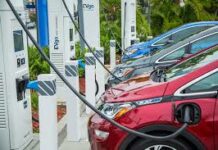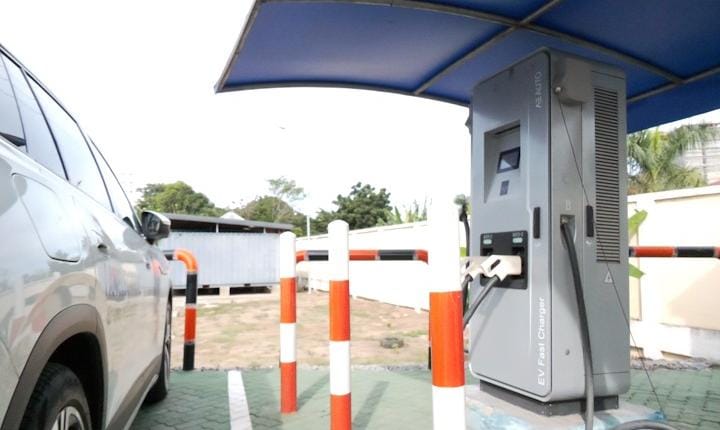

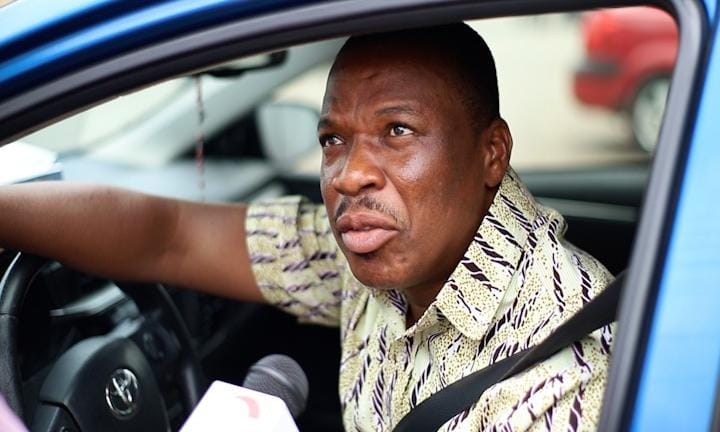
Rodren Joseph Tetteh has been driving conventional vehicles for half a decade.
Having recently switched to an electric vehicle, he says the move has brought significant savings in running costs and improved efficiency.
“The fuel is not stable. Tomorrow it might go up, tomorrow it might come down and then all of that. So, I think that prompted the move. The driving experience is the same, but with cost. I think the EVs, that is, the electric vehicles, are more cost-effective as compared to the petrol cars. Because with petrol cars, you need to buy more in order to gain more. But with the EV cars, you just charge a little, and then you drive more.”

For motorists like Sylvester Awan, however, petrol and diesel remain the reality.
With fuel costs continuing to weigh on motorists, he says more affordable and cleaner alternatives are needed.
“The smoke that comes, especially in the cities, we go through a lot. You can even still roll up the glass of the vehicle, but still the smoke comes into your vehicle, and you go through a lot. Looking at how sometimes the fuel prices used to change to the highest and other things. At least when it comes to that, ordinary people find it difficult.
But God is so good; now we have a lot of electric cars that are coming to the country.”
But as interest in electric vehicles grows, questions remain about how sustainable the transition will be.
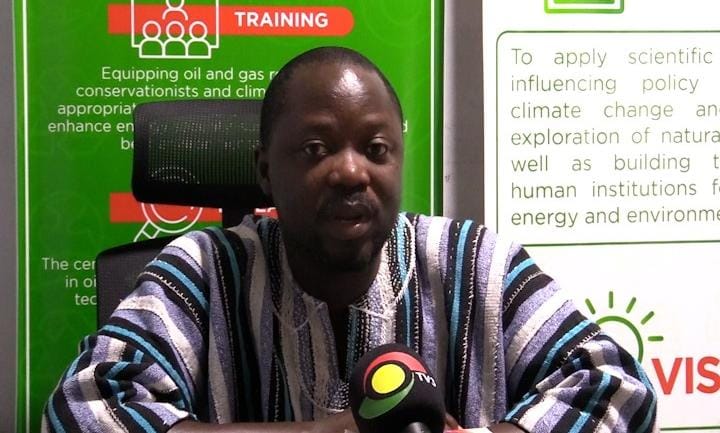
Energy expert Benjamin Nsiah says electric vehicles offer environmental and efficiency benefits.
“If you observe the data, EVs that are plugged in are becoming increasingly common in the vehicular space in Ghana. With huge numbers from the Driver and Vehicle Licensing Authority. Where he thought we were doing about 30,000 a year, but now we are doing more than 100,000 vehicles a year. So, one benefit, as we all know, is to reduce our emission levels as a country.
The other part also has to do with setting climate financing that, as a country, we might benefit from it. It becomes very affordable in terms of procuring the vehicle. It becomes very affordable in terms of usage of it. EVs are going to ensure that our dependence on fuel reduces.”
He, however, notes that these benefits come with practical disadvantages that must be considered.
“Loss of revenue through petroleum funds, lack of capacity causing a challenge for us.
Collapse of infrastructure or destruction of infrastructure due to overload, and policy direction are some of the challenges I think that EVs also come with.”

Against this backdrop, the Energy Commission says regulations are being developed to guide the use of electric vehicles and the development of charging infrastructure in Ghana.
“We have a regulation which is actually at parliament for approval. When people hear EV, they are always worried. Already we have ‘Dumsor’, and you are bringing in EVs
What is the impact? We want to assure the public that we have a lot of studies. We are actually doing a lot. We are going to do more to ensure that we protect our grid and ensure the sustainability of our grid.”
The Programme Manager for Drive Electric at the Energy Commission, Joyce Ocansey says other renewable energy sources are also being explored as part of efforts to promote sustainable electric mobility while protecting the country’s power grid.
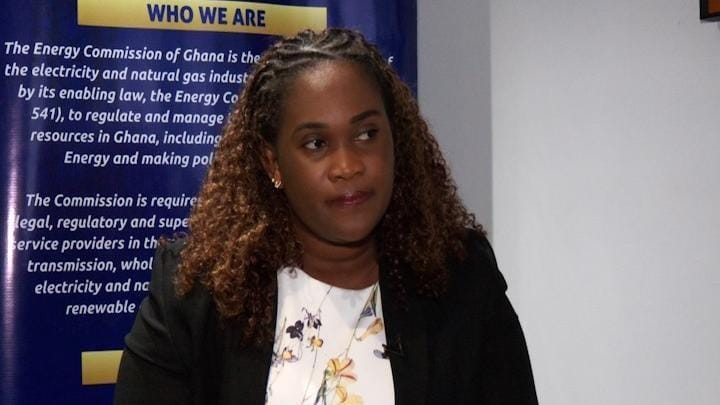
“There are actually charging solar stations, and they have battery storage. That is what the Ministry and the Commission are actually encouraging.
Solar-based, battery-based, RE, EV charging or battery swap, and we have some of them running currently. As the sector grows, we will be planning for investments across the value chain in terms of transmission, in terms of distribution, in terms of the grid as well.”
For Rodren, putting the necessary measures in place could make electric vehicles a better alternative for motorists seeking to reduce costs while contributing to environmental protection.
“With electric vehicles, it doesn’t have the engine oil, and it also doesn’t have the exhaust. So there are no emissions with electric cars. And then with climate change, I think it’s far better as compared to the petrol cars because day in, day out there are emissions, smoke everywhere. Chinese cars themselves are not that expensive. They are cheap. But when they get to Ghana, and then you are going to clear them, the prices are being escalated. So they should look at the clearing charges.”
Electric vehicles could help reduce emissions from road transport while offering cost savings for motorists.
But experts say their environmental and economic promise will depend on more than the vehicles themselves. Infrastructure, regulation, energy sources and the capacity of the power system will all shape how sustainable Ghana’s transition to electric mobility becomes.
By Samuel Yeboah Adams