
The Energy Commission has cautioned consumers against engaging unqualified electricians, warning that improper electrical installations could put lives and property at risk as Ghana expands the use of solar energy and electric vehicle (EV) charging systems.
The Commission says consumers and businesses must engage certified electrical professionals to ensure installations meet approved safety and technical standards.
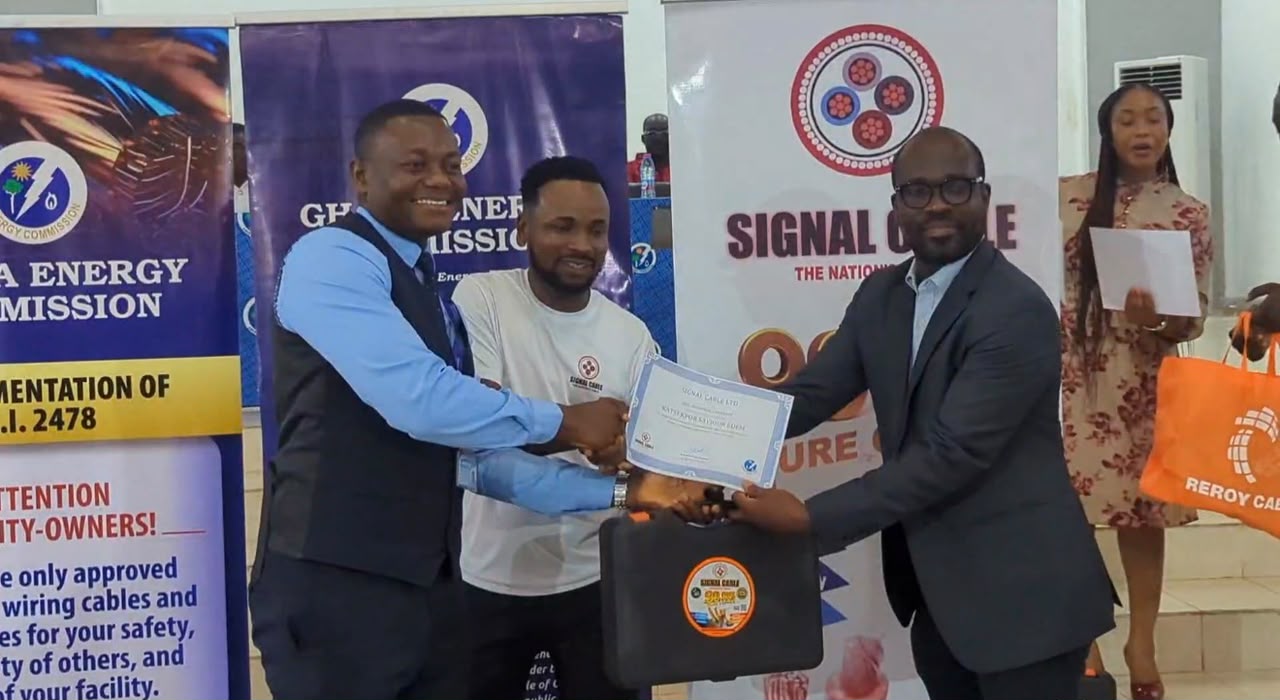
The warning was issued in Takoradi where the Commission inducted about 180 newly certified electrical professionals at its 25th Electrical Wiring Certification and Awards Ceremony.
The new professionals comprise domestic, commercial and industrial electricians, as well as inspectors trained to verify completed electrical installations before they are approved for energisation.
Nana Kwame Yeboah, Assistant Manager for Inspections and Enforcement at the Energy Commission, said the latest cohort would provide skilled labour for both conventional and emerging areas of the electrical sector.
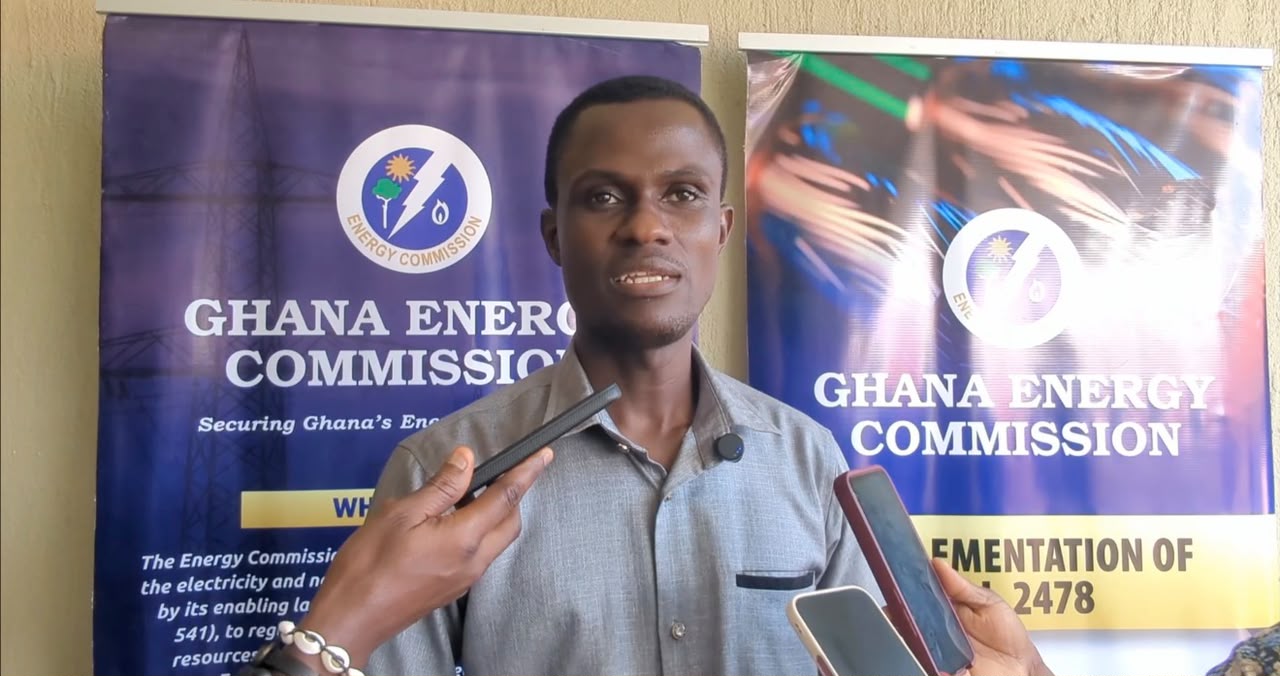
“We have about 180 graduates passing out today. We have domestic professionals, commercial professionals, industrial professionals and also inspectors.”
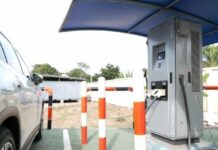
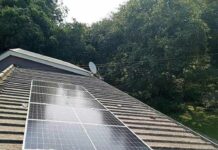
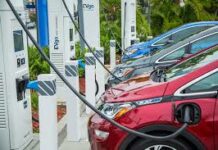
He said the certified professionals are equipped to undertake installations involving electric vehicle charging stations, rooftop solar systems and solar plants.
“We have promoted graduates who can lead and assist in the installation of all these systems—be it EV charging stations, solar installations on rooftops, or even solar plant installations.”
A Senior Lecturer at the Takoradi Technical University, Ing. Dr. Emmanuel Kobina Appiah, also stressed the need for proper electrical design and installation as electric vehicle adoption grows in Ghana.
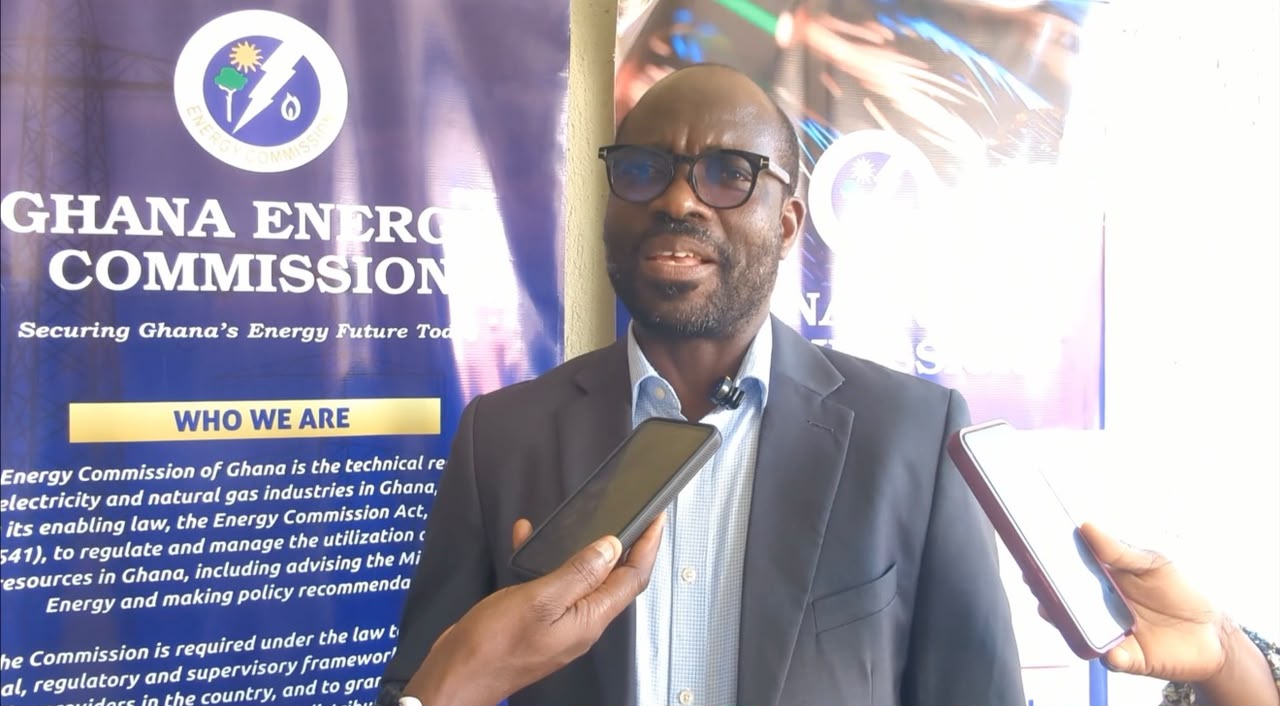
According to him, incorrect system design and cable sizing could result in electrical faults and fire outbreaks.
He said EVs could be integrated with solar and battery storage systems to provide electricity for homes, but only where the installation is properly designed.
“We can also use our EV cars to power our individual homes, only when you do the installation right. You need not compromise with your installation.”
Dr. Appiah said installers must consider the capacity of the vehicle, battery storage system and electrical load when designing EV charging and vehicle-to-home systems.
He called for strict compliance with established electrical standards to ensure the safe development of Ghana’s emerging EV infrastructure.
One of the beneficiaries of the certification programme, Ruth Essel, said the training could help encourage more women to pursue careers in the electrical field.
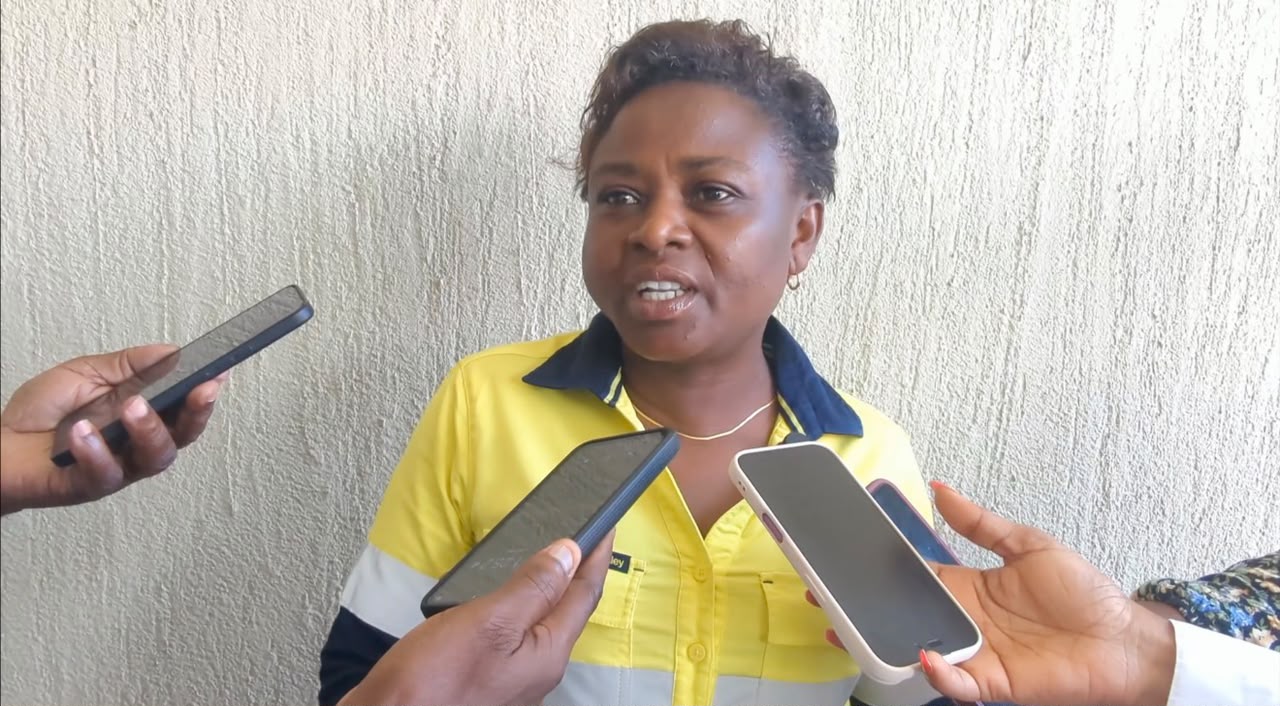
“A lot of people think that this field is for guys, so it will motivate the ladies in my surroundings and then the country as well.”
She also emphasised the importance of standards in promoting safety and uniformity in electrical installations.
“For the sake of uniformity and at the same time for us to help curb incidents and accidents, we need to follow standards and do the right thing at all times so that we’ll all work safely and go home safely.”
The Energy Commission says it will continue working with relevant stakeholders to train and certify electrical practitioners to meet the technical and safety demands of Ghana’s expanding solar and electric mobility sectors.
By Ebenezer Atiemo