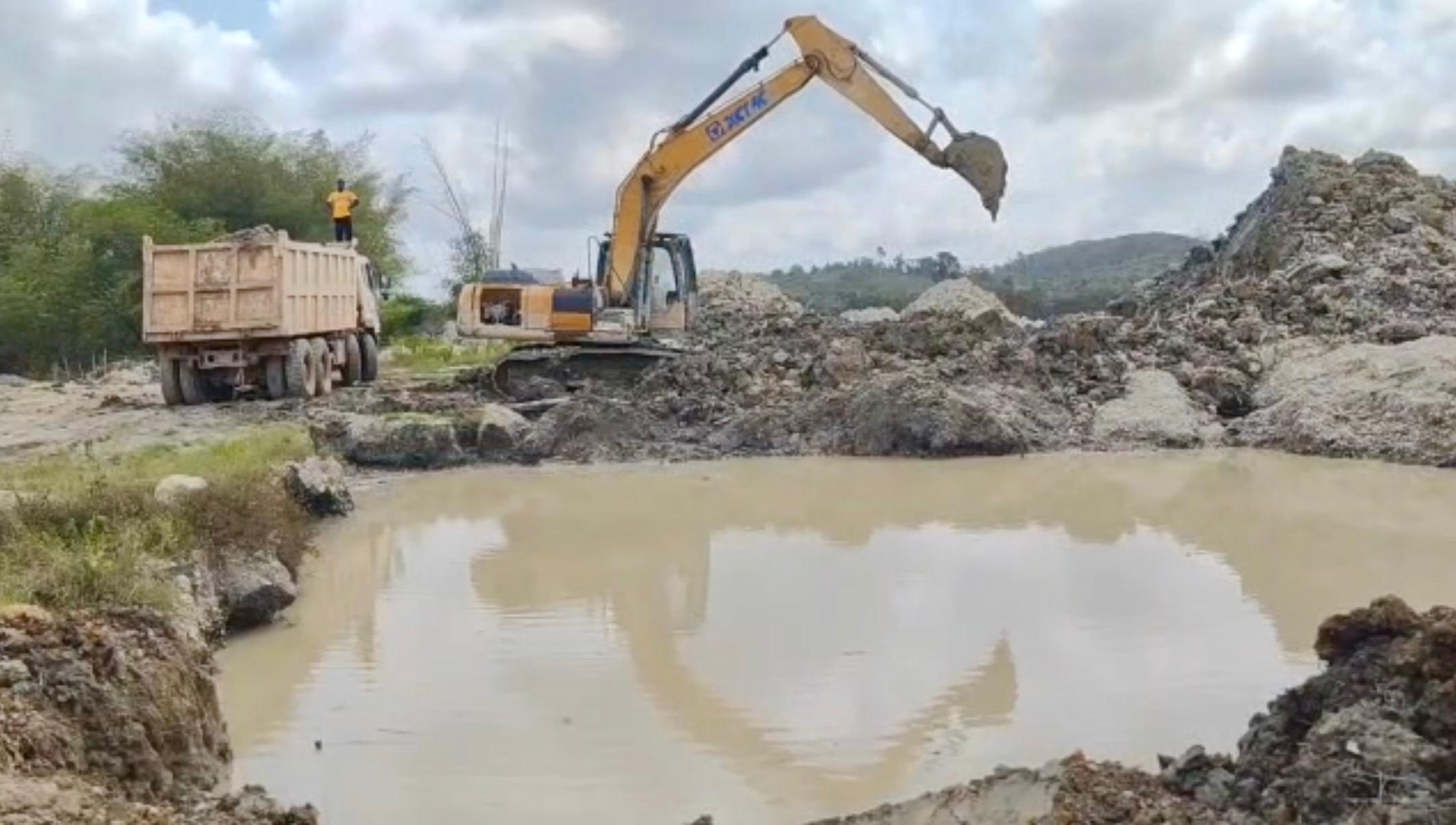

Abandoned mining pits have become a defining environmental and safety hazard across several mining communities in the Western Region — and in Salman in the Ellembelle District.
A dispute over what should be done with materials from such pits is now exposing the difficult balance between environmental restoration and local economic survival.
A misunderstanding is ensuing between some youth of Salman in the Ellembelle District and their Chief, Nana Kwamina Bentum II, over an economic venture both sides had initially agreed would generate funds for community development.
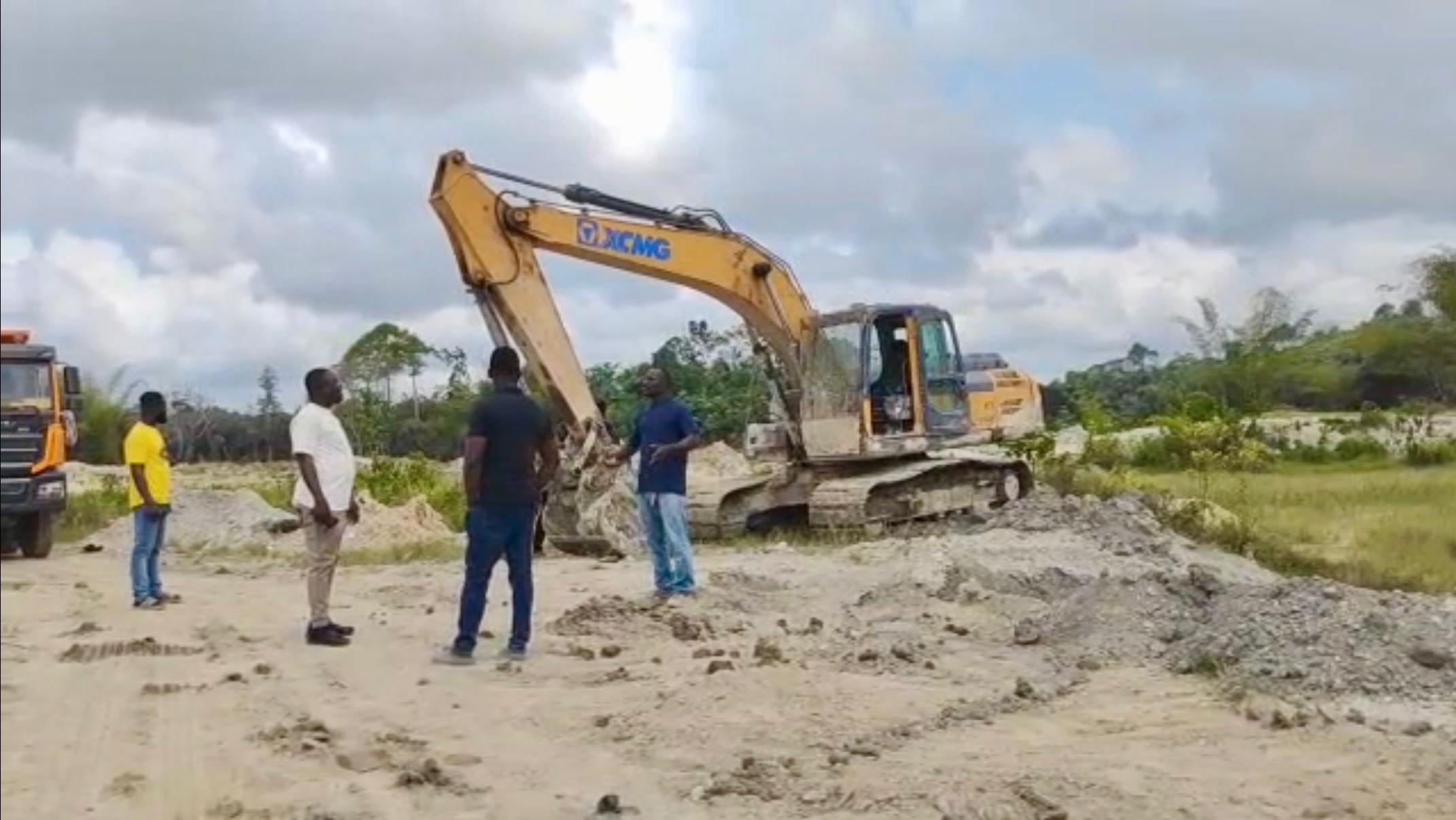
The disagreement centres on clay deposits found in pits left behind by previous mining activities — landscapes that have become common in parts of the district where both large-scale and illegal mining have operated for years.
Across mining host communities such as Salman, Nkroful, Teleku Bokazo and Anwia, large tracts of land have been degraded by excavation, leaving open pits and altered landscapes that have affected agriculture, vegetation cover and water systems.
Studies and field assessments in the district show that mining operations have significantly changed land use patterns, reduced soil fertility and degraded nearby water bodies through runoff and mine waste.
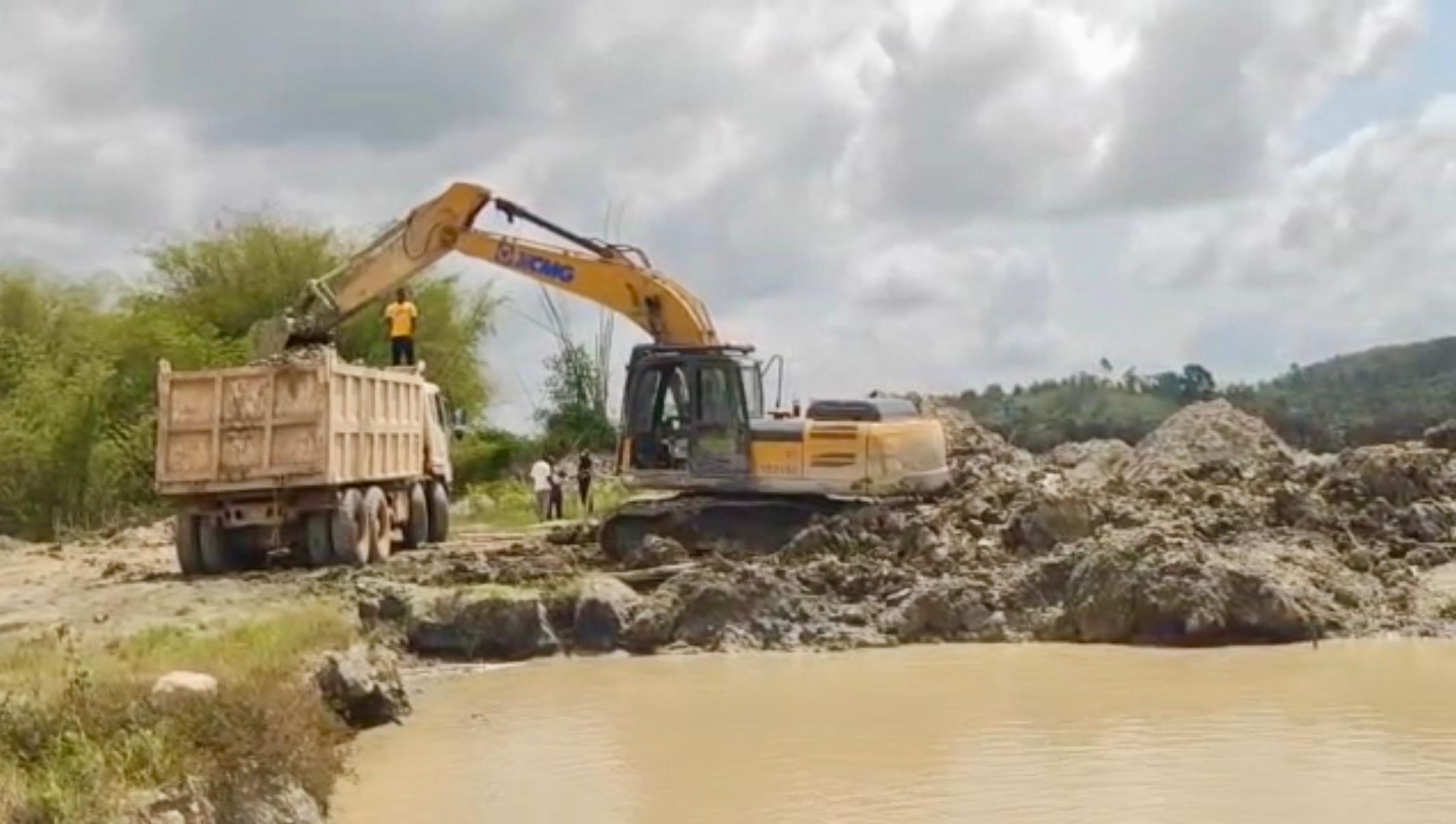
Beyond environmental degradation, abandoned pits have also presented safety risks. In neighbouring communities within the Ellembelle area, deaths and injuries have been recorded in incidents linked to mining pits, including drowning cases and conflicts around access to mining concessions. It is within this broader context that the dispute in Salman has emerged.
Concerned about what they describe as slow development in the community, a meeting between members of the royal family and community residents reportedly agreed that a contractor be engaged to mine clay deposits from some abandoned mining sites in the area. According to community members, the clay extraction was intended to serve as a local economic activity. A sharing formula was reportedly agreed upon in which a portion of the proceeds would go to the traditional authority while the remainder would fund development projects in the community.
The arrangement, residents say, initially progressed without incident. Proceeds from the activity were reportedly used by the contractor to purchase roofing sheets and cement toward the commencement of some identified community projects. However, the contractor has recently been asked to halt the mining of the clay deposits.
An opinion leader in the community, Abraham Mensah, said their inquiries indicated that the directive had come from the Chief. What he and some residents say they find puzzling is that the decision was taken without prior engagement with the community members who were involved in the initial agreement.
“We have been reliably informed that the Chief wanted to take all the proceeds, including that for the community. Now, because the Chief is not being allowed to have all the proceeds, he has decided to bring in the police, the military and security from Adamus Resources to intimidate and frustrate the contractor,” he alleged. “We are therefore appealing to the President and relevant bodies to intervene and bring the Chief to order. We believe this could relieve the government of other development burdens.”
Some residents say they view the clay extraction as one of the few economic opportunities available to the community in an area where mining has long reshaped livelihoods. “We have no quarrel with our Chief. All we want our Chief to know is that the community is not for him alone. We both serve each other; if he will not understand us, we will also definitely not,” one resident said.
When contacted, Nana Kwamina Bentum II explained that his decision to halt the activity followed concerns raised by authorities in Accra. According to him, the clay deposits were needed for land restoration — specifically for backfilling abandoned pits left by previous mining activities.
“I received a call from Accra expressing concern over the ongoing clay mining at the site. I was told that the clay would be used to cover the pits left therefore the contractor should be asked to stop. “So I informed him of the new development and proceeded to ask him to stop,” he said, adding that he later learnt the contractor had continued working at the site.
The issue reflects a broader national debate in the campaign against galamsey. Environmental regulators and policymakers have increasingly emphasised land reclamation — including the backfilling of abandoned pits — as a critical step in restoring degraded landscapes and preventing accidents.
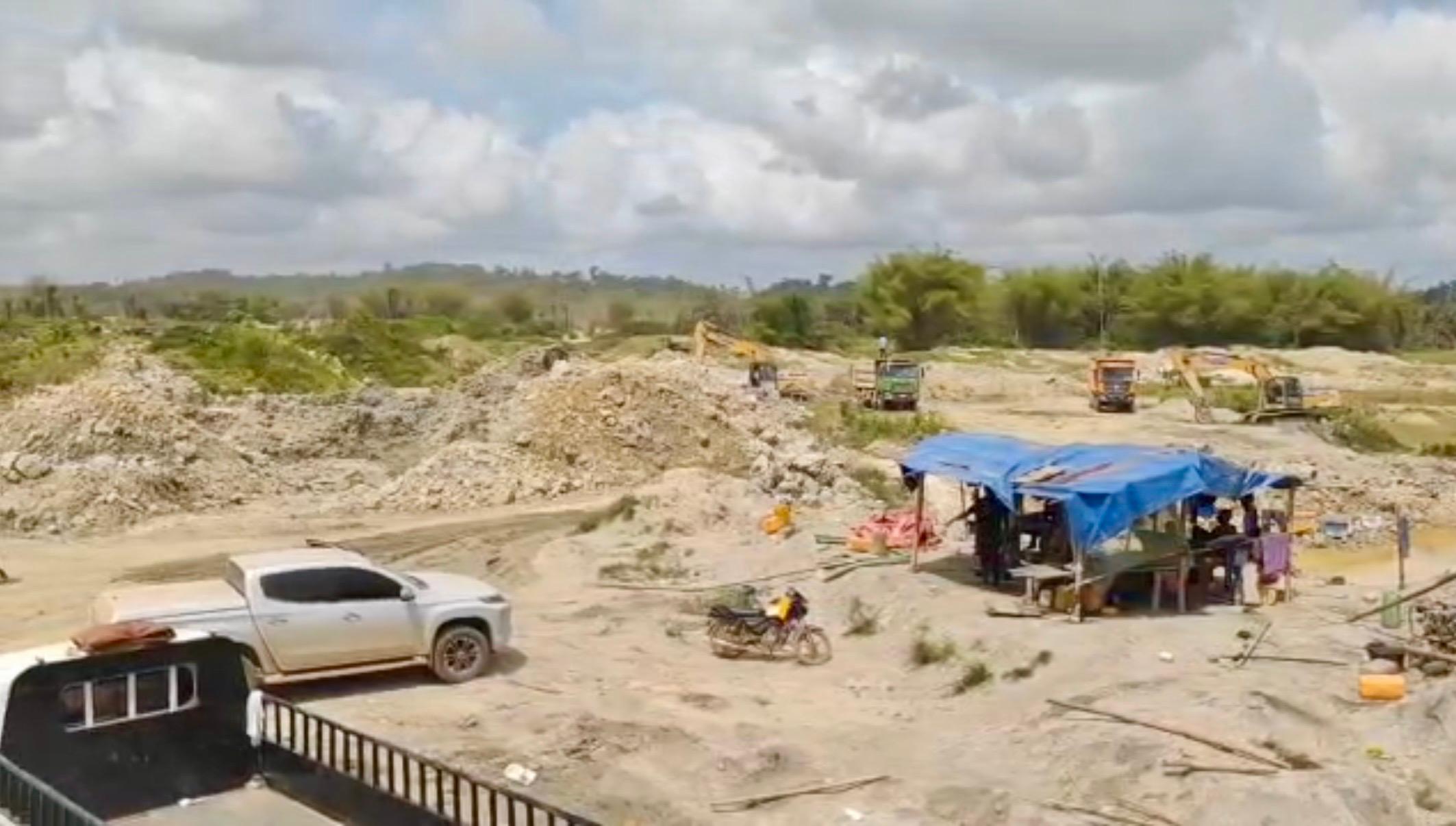
At the same time, communities in several mining areas have often viewed materials from abandoned sites as potential economic resources that can be used to generate revenue or employment. In Ellembelle, tensions around access to mining lands and resources have surfaced repeatedly over the years, sometimes involving community youth, mining companies and security agencies.
Despite the Chief’s directive, Abraham Mensah and other residents say the community intends to resist the halt of the clay mining activity, insisting that the project represents an opportunity to address development needs. For them, the issue is not only about access to clay deposits but also about how mining-affected communities should benefit from the resources and landscapes left behind by years of extractive activity.
Government to deploy NAIMOS permanently to galamsey hotspots to stop illegal miners
By Eric Yaw Adjei