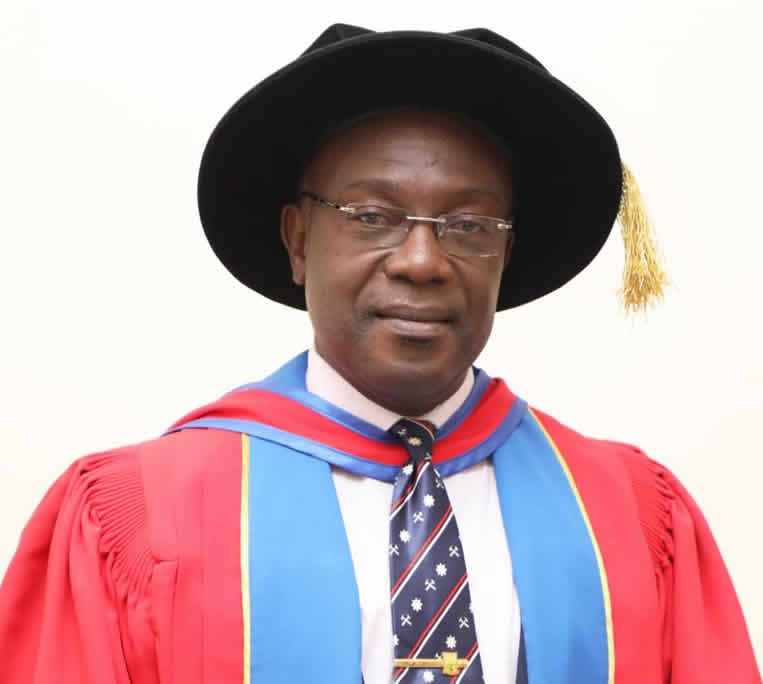

The Chairman of Vice Chancellors Ghana, Professor Richard Amankwah, has called for continuous transformation in higher education to keep pace with rapid technological advancement while ensuring university programmes remain relevant to the evolving demands of the job market.
Speaking on the sidelines of the Vice Chancellors Ghana Conference on Higher Education in Accra on July 29, Professor Amankwah said educational institutions across Ghana and the wider West African sub-region must adapt to emerging technologies and rethink how they prepare students for the future.
The conference brought together educational leaders from across West Africa to deliberate on policy directions for educational leadership, digital transformation and the role of technology in shaping the future of higher education.
Professor Amankwah noted that the nature of excellence has changed in today’s technology-driven world, stressing that universities must equip students with practical problem-solving and innovation skills rather than focusing solely on traditional academic achievement.
“Technology is moving at a very fast pace. It’s no longer just about people who can solve difficult mathematics. It’s about people who can identify problems, solve them and even develop products from those solutions. Through digitalisation, ideas can reach many more people and create greater impact,” he said.
According to him, while Ghana and other West African countries have made progress in digitalisation, the speed at which technology is evolving requires universities to continuously review their policies, teaching methods and digital infrastructure.
“We have been practising digitalisation for some time, but the question is the speed at which technology is changing. If we don’t keep up, we will be left behind. We need to assess where we are and determine how to move into the future,” he added.
Professor Amankwah also addressed the longstanding concern that university programmes are not aligned with labour market needs. He said although graduate employability remains an important issue, it is inaccurate to suggest that all university programmes fail to meet industry demands.
“I’ve heard several times it being said that the programmes we run in our universities do not match the job market. Certainly, it is not every programme that we run in the university that will meet some conditions in the job market” he said, emphasising the need for a balanced assessment of the issue.
He stressed that universities must continually evaluate and update their academic programmes to reflect changing industry requirements and national development priorities, while strengthening collaboration with policymakers and employers to produce graduates with relevant skills.
The Vice Chancellors Ghana Conference is expected to generate recommendations that will guide higher education policy, promote innovation, strengthen digital transformation and deepen collaboration among universities across the West African sub-region.
Participants say these measures are critical to preparing graduates for the opportunities and challenges of an increasingly digital and competitive global economy.
By Evelyn Tengmaa