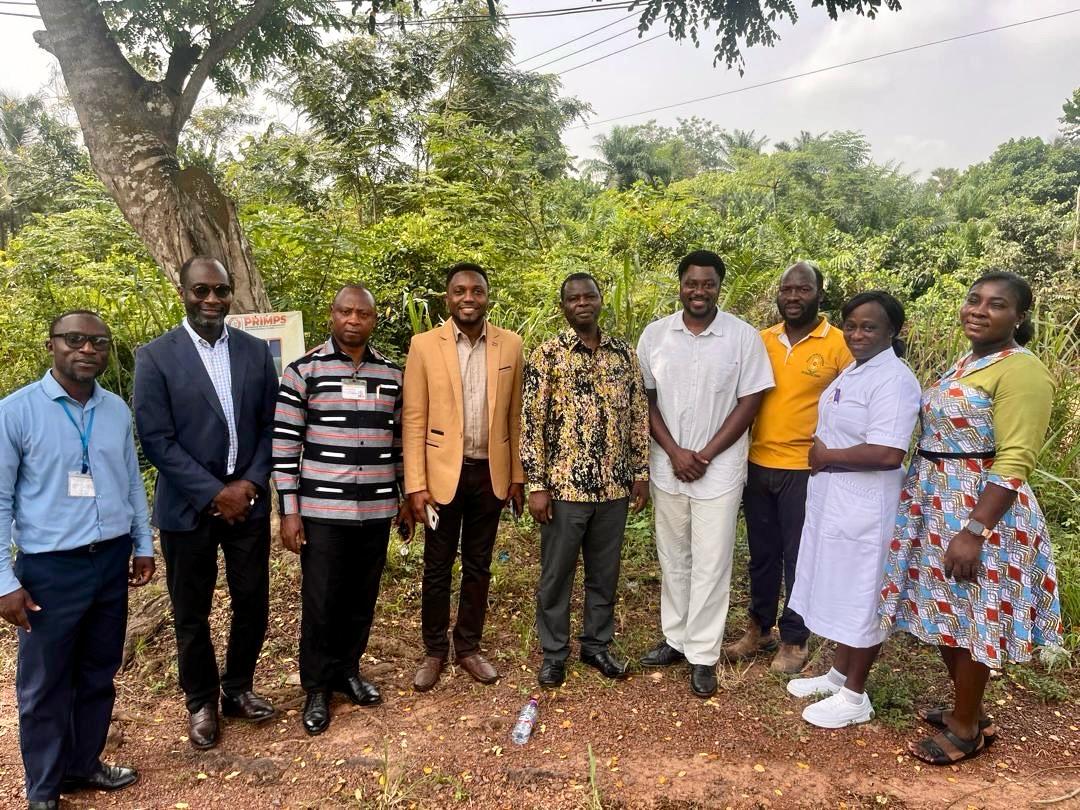

Preparatory works for the construction of the first state-of-the-art Oncology and Radiotherapy Centre in the Western Region are advancing following a strategic engagement between the Jospong Group of Companies and management of the Effia Nkwanta Regional Hospital.
The proposed facility forms part of government’s broader health infrastructure expansion agenda, which includes the construction of six new oncology and radiotherapy centres across the country to decentralise cancer care.
Currently, access to radiotherapy services remains concentrated in a few facilities, notably the Korle-Bu Teaching Hospital in the Greater Accra Region and the Komfo Anokye Teaching Hospital in the Ashanti Region. This geographic concentration has, over the years, placed pressure on existing infrastructure while compelling patients from other regions to travel long distances for specialised treatment.
Management of Effia Nkwanta Regional Hospital has ceded two separate 12-plot parcels of land within its premises to the Jospong Group’s technical team to assess suitability for the project. A technical committee is expected to be constituted to coordinate feasibility assessments, site inspections and inter-agency engagements necessary to move the project into its implementation phase.
Health sector analysts have consistently pointed to the uneven distribution of cancer treatment infrastructure in the country. Data from the Ghana Health Service and the Ministry of Health indicate that cancer cases continue to rise, with breast, cervical and prostate cancers among the most reported.
The absence of radiotherapy centres in regions such as Western and Western North means patients often endure prolonged referral processes, accommodation costs in Accra or Kumasi, and potential treatment delays.
For patients in the Western Corridor, the lack of a local oncology and radiotherapy centre has historically meant travel to Korle-Bu for specialised services. Instances of machine breakdowns at national referral facilities have at times resulted in deferred treatment schedules, further compounding patient burdens. Those with financial capacity sometimes resort to private facilities, where costs are significantly higher.
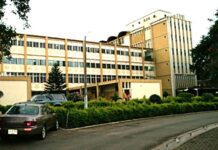
As the principal referral hospital for both Western and Western North regions, Effia Nkwanta Regional Hospital has experienced increasing patient inflows. The establishment of an oncology and radiotherapy centre within its enclave would align with government’s stated objective of reducing congestion at tertiary facilities while improving equitable access to specialised healthcare.
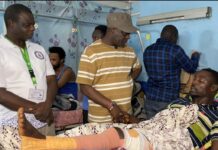
Medical Director of Effia Nkwanta Regional Hospital, Dr. Habib Ahmed, has indicated that the addition of oncology and radiotherapy services would complement ongoing infrastructure expansion at the hospital. New facilities are already under construction as part of a long-term plan to upgrade the hospital into a teaching institution, thereby broadening its scope of specialised services and training capacity.
If completed as planned, the oncology and radiotherapy centre is expected to serve not only the Western Region but also adjoining regions, potentially reducing referral pressures on Greater Accra and Ashanti facilities. “Decentralised radiotherapy services can improve early intervention rates, reduce treatment interruption, and lower indirect costs borne by patients and families”, a Management member told ConnectNews while expressing joy for the project.
While Management of Effia Nkwanta Regional Hospital advances discussions on new specialised services, it has raised concerns over persistent encroachment on hospital lands. Areas around the Ghana Water Company Effia Reservoir, Anchelle School and the Ghana Broadcasting Corporation enclave are experiencing increasing private development activity.
Hospital officials say warning notices and public announcements have not stemmed the pace of construction by private individuals. According to Management, formal notifications have been sent to relevant agencies, yet developments continue to expand incrementally.
The hospital’s long-term development blueprint reportedly includes additional specialised units beyond oncology and radiotherapy and the administrators caution that continued and unchecked encroachment could constrain spatial planning and limit future infrastructure expansion.
Eric Yaw Adjei