
The United Nations Eminent Peace Ambassador, Samuel Ben Owusu, has stated that the fight against illegal mining, commonly referred to as galamsey, cannot be won through radical or aggressive measures.
According to him, the government’s approach, which includes the seizure and burning of excavators, as well as the arrest of illegal miners, is unlikely to produce the long-term results it aims to achieve.
While condemning the harmful effects of galamsey on water bodies, lands, and the loss of human lives, Ambassador Owusu emphasized that peaceful engagement and dialogue with those involved is a more effective solution.
“We are calling for strong stakeholder collaboration. Let’s not solve galamsey in a radical way. Let’s sit with them,” he urged.
“I would advise the President to invite all galamseyers, engage them, and explore sustainable alternatives. That way, we can find a lasting solution without going through the same destructive cycle.”
He argued that military-style interventions have proven unsustainable.
“We go there with force, burn excavators and other equipment. But you cannot stay in the forest 24/7 for years, you will eventually leave. These people are hungry and trying to survive. We haven’t given them viable alternatives. So, what are we offering them when we tell them to stop?”
Ambassador Owusu continued that while galamsey must be condemned, it is equally important for the government to develop alternative livelihoods for those involved.
“These are people who know they could die in the mining pits, yet they still go. Arresting them won’t deter them. Let’s engage them in dialogue and help them find a better path.”
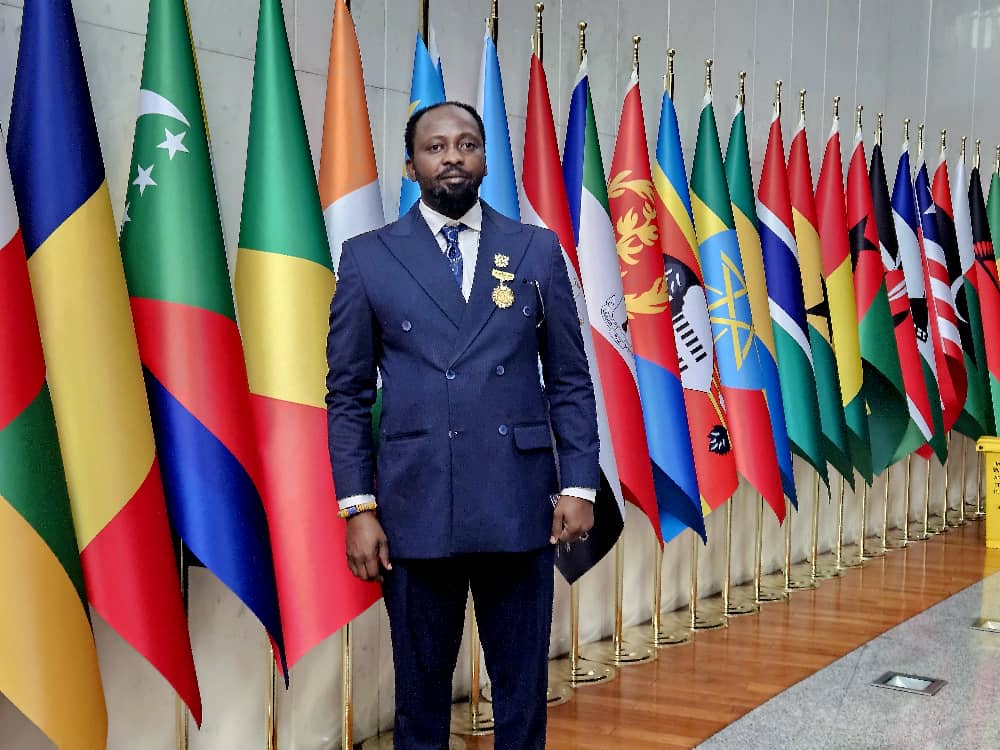
He made these remarks upon his return from the Africa Climate Summit 2, held in Addis Ababa, Ethiopia.
The summit, which brought together leaders, policymakers, and stakeholders from across the continent—including Ghana’s Vice President, Prof. Naana Jane Opoku-Agyemang, and Foreign Affairs Minister Samuel Okudzeto Ablakwa—focused on strategies to address the worsening impacts of climate change.
It served as a platform for African nations to share experiences, build alliances, and commit to stronger collective action in response to the climate crisis.
Ambassador Owusu noted that a policy framework was adopted by delegates at the summit to tackle illegal mining and other environmental challenges.
He stressed that civil society and advocacy groups will be monitoring the Ghanaian government’s commitment to this policy.
“The Vice President, in her speech, assured us that the government is committed to restoring our lands and water bodies. Now we are watching. They’ve made promises, and if they don’t follow through, we will report it at the next summit,” he stated.