
The bustle of Accra’s markets hides a disturbing truth. Kontomire leaves shine under the morning sun, smoked fish fills the air with its sharp scent, baskets of pumpkin leaves and tomatoes are stacked high, and traders shout themselves hoarse to attract buyers.
Few of those buying and selling stop to ask where this food comes from or what it may contain. A year of research by Pure Earth and the Environmental Protection Agency shows that crops and fish from Ghana’s gold mining regions are moving into these markets already carrying a dangerous load of heavy metals.
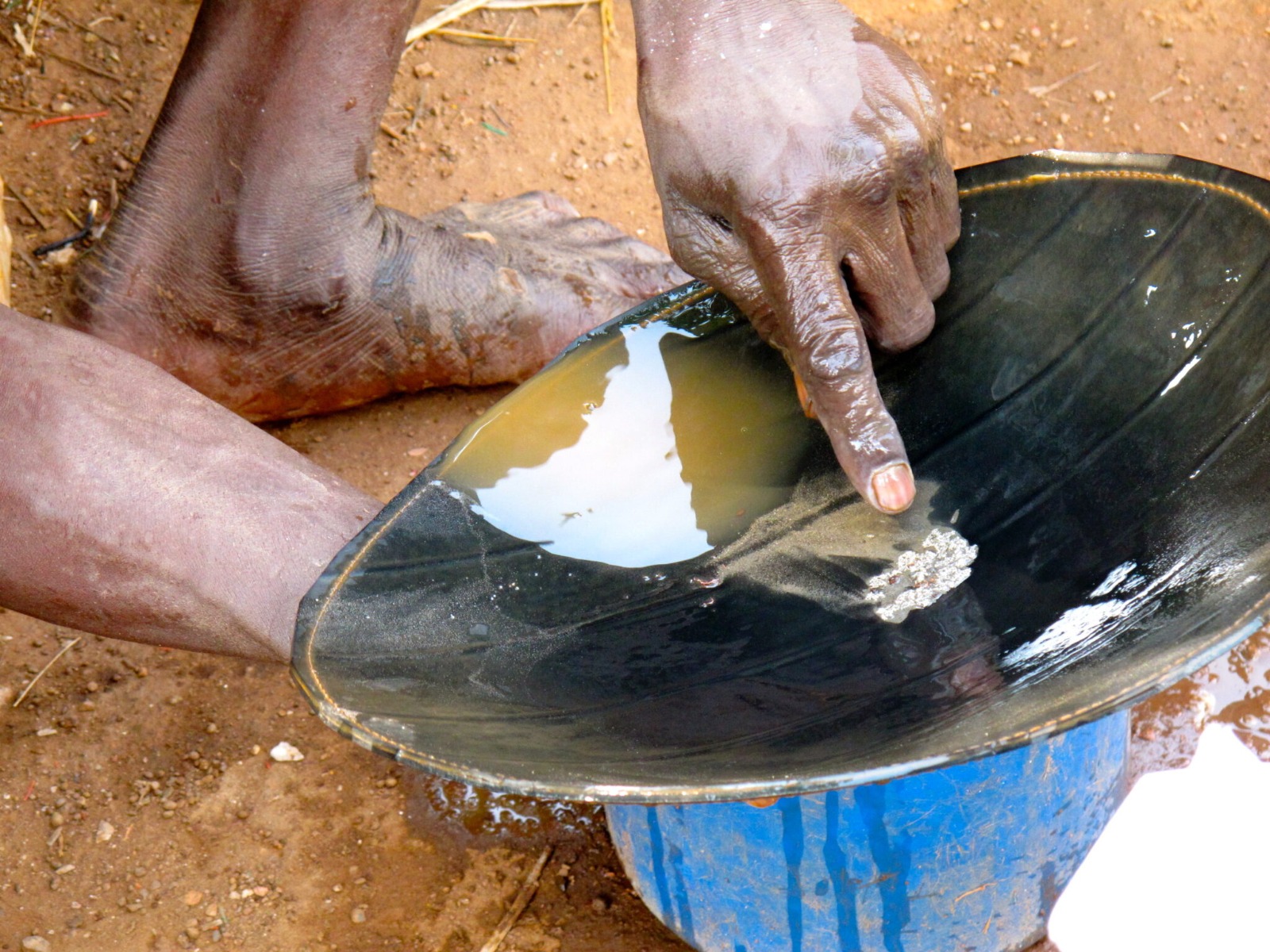
The study was carried out from August 2024 to September 2025 in six regions where artisanal and small-scale gold mining dominates. These are Ashanti, Eastern, Western, Western North, Central, and Savannah. The samples collected from soil, water, fish, crops, and air revealed levels of mercury, arsenic, lead, and cadmium that often exceeded international safety guidelines by huge margins.

In Konongo Zongo arsenic in soil was recorded at 10,060 parts per million. The safe level for residential soil is 25. The soil there holds four hundred cups of arsenic when just one would be unsafe. In the same community mercury in soil was measured at 1,342 ppm, close to thirteen thousand percent higher than what is considered safe.
In Wassa Kayianko mercury vapor in the air reached 150 micrograms per cubic meter compared to Ghana’s own standard of one. Breathing in that town means taking in air one hundred and fifty times more toxic than the law allows. Water sources showed the same pattern. In Asiakwa lead in water samples was 0.97 milligrams per liter.
The World Health Organization sets the limit at 0.01. Each glass in Asiakwa is therefore the equivalent of a hundred spoonfuls of lead when one is already too much. At Konongo Odumase water contained arsenic at 3.3 mg/L, which is three hundred times the safe limit. Families there draw from wells and streams that carry concentrations of a known carcinogen on a scale rarely seen anywhere.

Soil in Dakrupe in the Savannah Region carried 3,899 ppm of lead. The accepted residential safety limit is 200. This means land used for farming or even daily living contains the equivalent of twenty bags of lead when just one would already cause alarm. Crops grown in such soil and eaten without any visible sign of danger carry the contamination inside them.
The food chain shows the direct results. In Akwaboso fish tested at 2.8 mg/kg of lead, nearly ten times the recommended food safety limit. In Konongo Zongo fish flesh contained arsenic at 3.09 mg/kg, thirty times higher than the safe guideline.
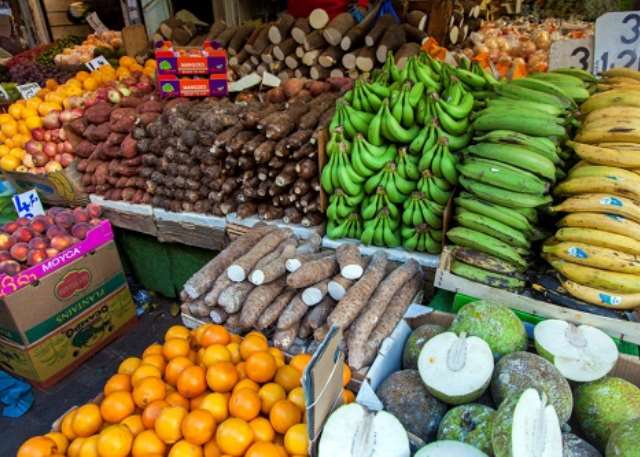
Vegetables such as kontomire and pumpkin leaves carried toxins up to two hundred times the safe international threshold. Washing cannot remove these metals because they are built into the tissue of the plant and the muscle of the fish. These crops and fish do not stay in the villages. Traders load them onto trucks that leave overnight for Accra, Kumasi, and Takoradi. The produce that fills the stalls of Makola and Kaneshie has its roots in contaminated soil and its flesh in poisoned rivers.
The health implications are clear. Mercury damages the nervous system, especially in unborn children and infants. Lead causes permanent loss of IQ, slows growth, and changes behavior. Arsenic raises the risk of cancers of the skin, lungs, and bladder, while cadmium destroys kidneys and weakens bones over years of exposure. Health workers in Ashanti and Western regions already report children with kidney disease and cases of mercury accumulation. Pregnant women are at risk because these metals cross the placenta.

What makes the issue more urgent is the national food supply chain. The miners and farmers of Konongo or Wassa are not just feeding themselves. Their kontomire, tomatoes, cassava, and smoked fish are carried into the capital each morning.
Accra is already eating from the poisoned soils of the goldfields. The evidence is not abstract. The numbers show arsenic in water three hundred times the limit, mercury in the air one hundred and fifty times the standard, lead in soil almost twenty times the guideline, and fish with cadmium thirty times above what is considered safe. These results are too large to be dismissed as local anomalies.
The report has stirred strong debate. Researchers and health professionals have argued that the contamination is severe enough to justify extraordinary action. Civil society voices and local leaders have added their calls for urgent measures.
Some propose a state of emergency to allow rapid interventions such as food testing before consignments leave mining zones, provision of safe water in the most affected towns, and immediate medical screening. The presidency under John Mahama has so far held back from such a declaration, stating that all existing powers to deal with the menace have not yet been exhausted. This reluctance has become a central feature of the national discussion as the evidence mounts.
The study itself recommends practical steps. These include continuous monitoring of soil, water, and food, pilot projects using special plants to remove metals from the ground, distribution of safer equipment for miners to capture mercury vapor, and large-scale public education in local languages.

It also stresses the need for coordination across the Environmental Protection Agency, the Ministry of Health, and the Ministry of Food and Agriculture to create a coherent response that protects both livelihoods and public health.
What is beyond doubt is the scale of the contamination. The figures are not small breaches of acceptable standards but exceedances by factors of hundreds and thousands.

The poisoned soil of Konongo Zongo, the toxic air of Wassa Kayianko, the arsenic-laden water of Asiakwa, the lead-filled soil of Dakrupe, and the contaminated fish of Akwaboso together show that Ghana’s goldfields are not only producing gold.
They are producing food that carries a hidden load of poison. That food travels daily to the capital. It sits in market stalls and on dining tables. Whether or not extraordinary measures are declared, the evidence shows that the silent harvest of galamsey is already in the kitchens of Ghana.