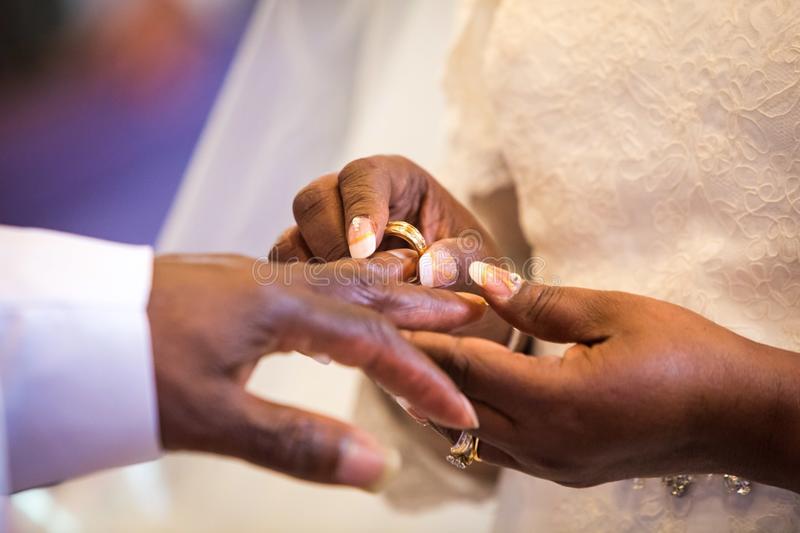

The General Secretary of the Great Consolidated Popular Party (GCPP), Citizen Ato Dadzie, has clarified the legal and moral implications of Ordinance Marriage in Ghana, emphasizing that it supersedes all other forms of marriage, including customary unions.
According to him, while customary marriage is recognized by law, ordinance marriage comes with unique legal demands and obligati ons that nullify any previous or parallel marital arrangements.
“When it comes to ordinance marriage, it demands that even if there is an existing customary marriage, that must be dissolved first. You cannot say you are getting married under the ordinance while still maintaining another woman somewhere under customary or any other form of marriage,” he said on Yɛn Nsempa Morning Show on Onua FM on October 14.
Mr. Dadzie explained that ordinance marriage is structured to ensure exclusivity between one man and one woman, as it is a legally binding agreement that overrides and annuls any prior marital commitment.
He further observed that in modern times, some people approach marriage with financial motives rather than genuine commitment.
“Some individuals see marriage as a means to acquire wealth. They calculate that in the next five to ten years, if their spouse passes away, they can inherit their properties. This mindset has unfortunately corrupted the true essence of marriage,” he added.
However, Citizen Ato Dadzie pointed out that despite such abuses, ordinance marriage remains a protective legal framework, particularly for women who might otherwise be vulnerable after the death of a spouse.
“Ordinance marriage, in some cases, protects women. Some women struggle with their husbands all their lives, and when the man dies, they are maltreated or denied inheritance. That is why the ordinance system is a mutual decision, when both parties agree to it, they are agreeing not to marry anyone else,” he emphasized.
He also noted that some men equally enter ordinance marriages for financial reasons, especially when the woman is wealthier or more established.
“Let’s not look at this from one side. There are also men who prefer ordinance marriage because the woman might have more money than them. So, it’s not only women marrying for benefits; men do too,” he concluded.
Citizen Ato Dadzie’s remarks highlight the growing debate around marital intentions, legal obligations, and the moral values underpinning marriage in contemporary Ghanaian society.