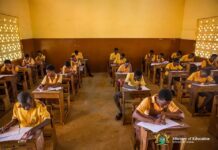




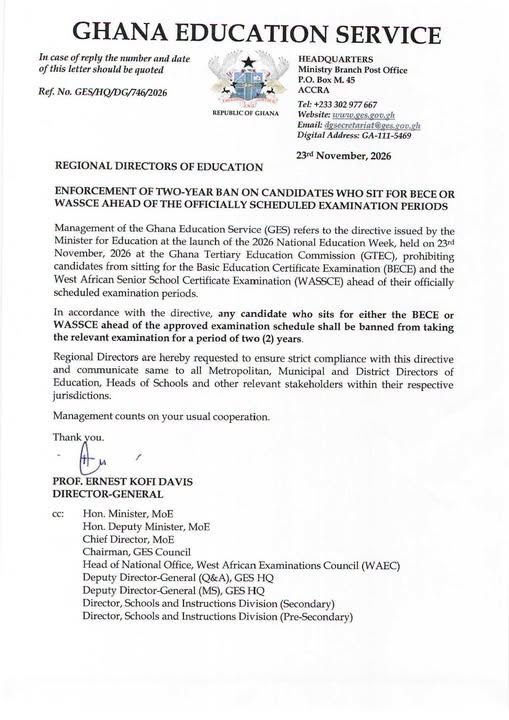
The Ghana Education Service (GES) has directed all Regional Directors of Education to strictly enforce the directive for candidates who take part in the Basic Education Certificate Examination (BECE) or West African Senior School Certificate Examination (WASSCE) ahead of schedule be barred from taking the respective examinations for two years.
The GES has also urged the Regional Directors to communicate it to Metropolitan, Municipal and District Directors of Education, heads of schools and other relevant stakeholders within their jurisdictions.
“Regional Directors are hereby requested to ensure strict compliance with this directive and communicate same to all Metropolitan, Municipal and District Directors of Education, Heads of Schools and other relevant stakeholders within their respective jurisdictions,” the statement said.
The directive, contained in a letter dated November 23, 2026, and signed by GES Director-General, Professor Ernest Kofi Davis, follows a directive issued by the Minister for Education at the launch of the 2026 National Education Week on November 23.
The Minister’s directive, according to the GES, was issued through the Tertiary Education Commission (GTEC) and prohibits candidates from sitting the BECE and WASSCE before their officially scheduled examination periods.
Under the new measure, any candidate who writes either examination ahead of the approved schedule will be disqualified from taking the relevant examination for a period of two years.
The letter said the measure was intended to ensure adherence to the officially approved examination schedules.
The directive is expected to be enforced across the country’s education sector.
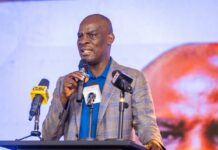
Education Minister, Haruna Iddrisu announced an immediate ban on pupils in Junior High School (JHS) 2 or lower from registering for and sitting the BECE ahead of schedule, warning that offenders would be barred from taking the examination for two years.
He said the measure was intended to promote discipline in the education system and enable education authorities to accurately determine the number of pupils expected to complete basic education each year.