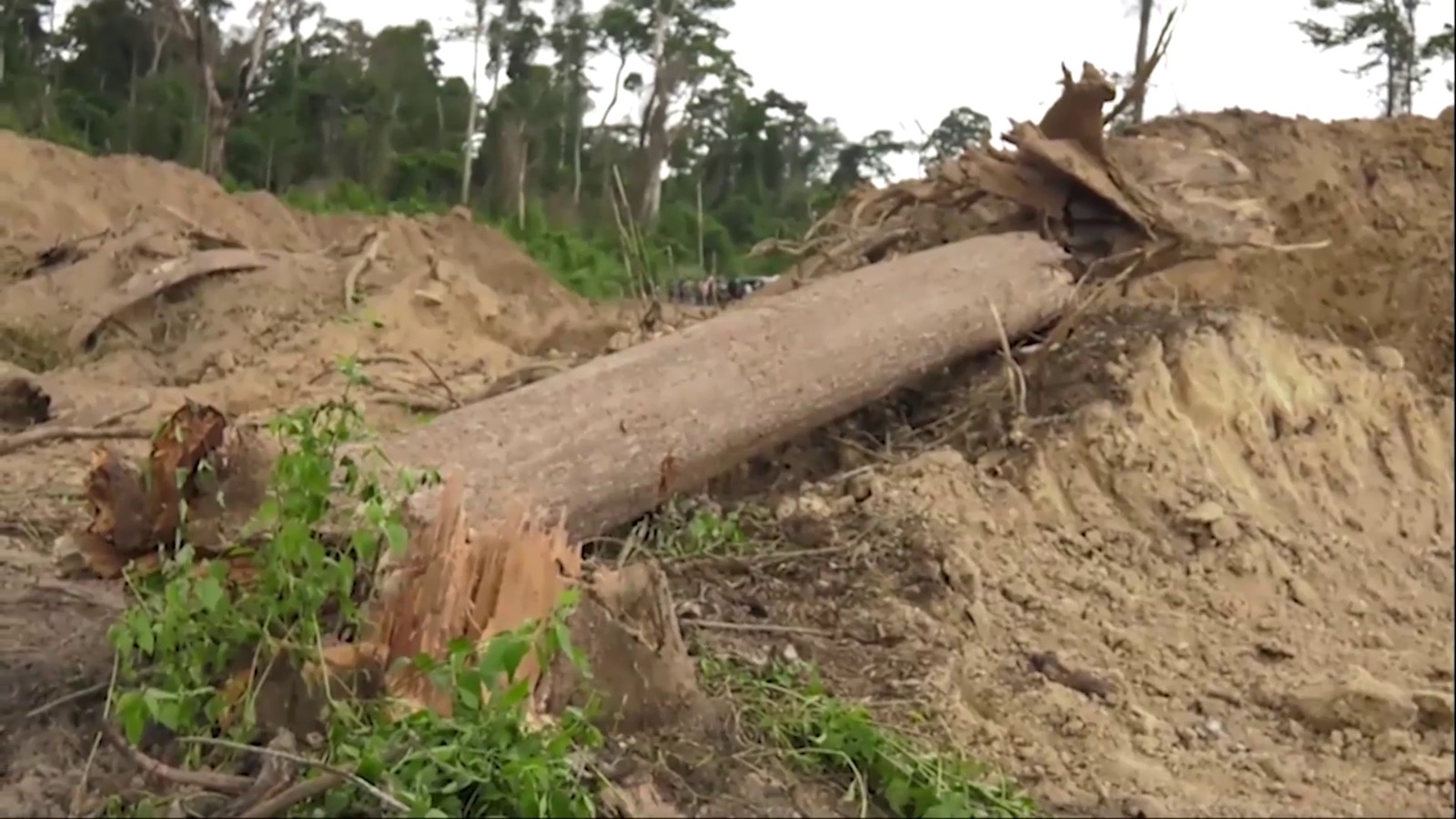

The Ghana Institute of Foresters (GIF) is calling for stronger security measures to protect forestry personnel following increasing attacks on officers and Forestry Commission facilities across the country.
The Institute says about 35 Forestry Commission personnel have been wounded in attacks linked to illegal mining, illegal chainsaw operations and other activities over the past five years, highlighting the growing risks confronting officers responsible for protecting Ghana’s forest resources.
Speaking at the Institute’s Annual General Meeting, President Dr Abukari Nantogmah Attah said the Forestry Commission’s efforts to strengthen frontline security must be complemented by broader stakeholder involvement and a coordinated national response to environmental destruction.
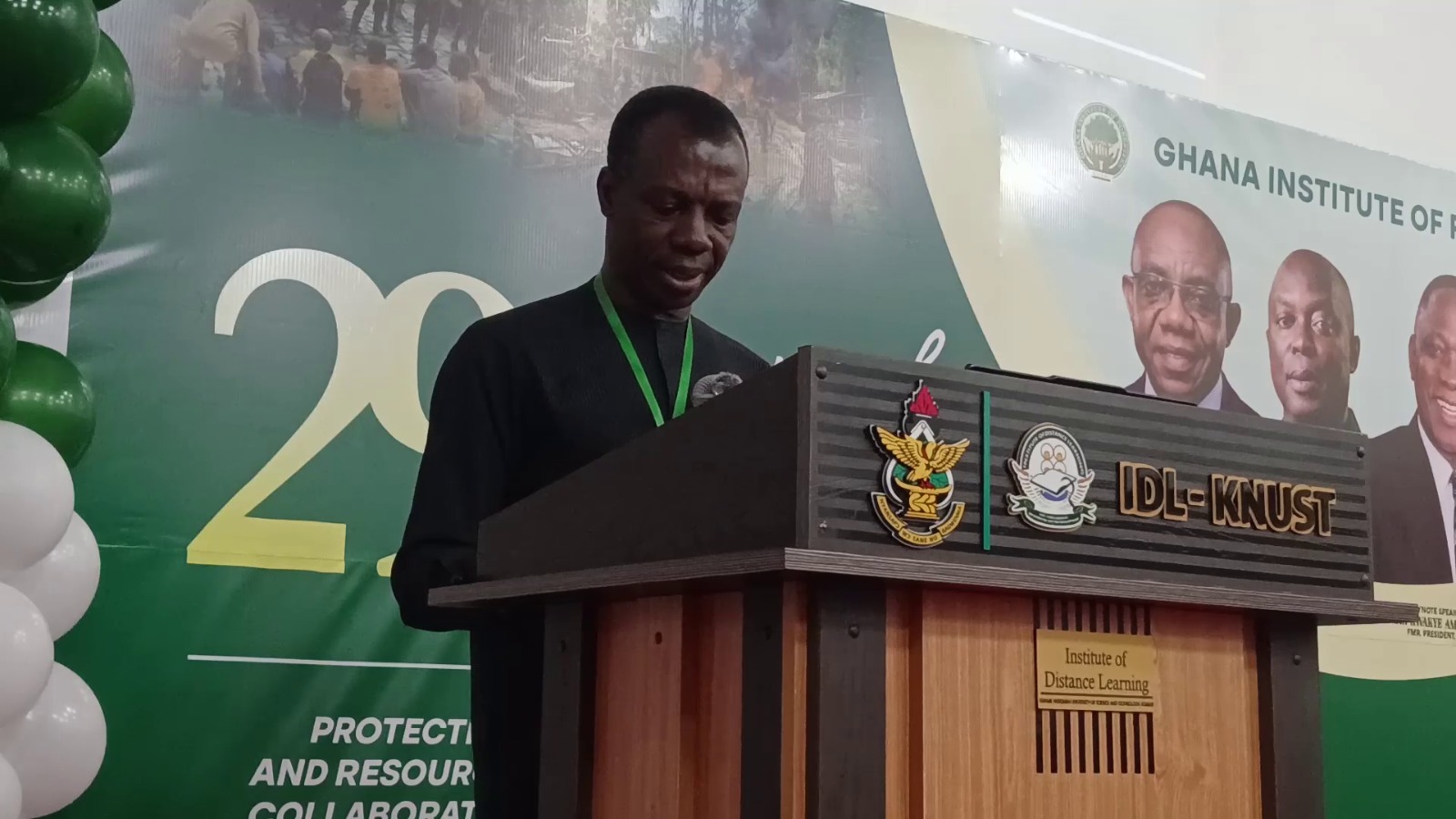
“We’ve recently just proposed the purchase of sophisticated weapons to support our frontline officers. But that alone will not be enough. We need the intervention of all stakeholders,” he said.
The meeting, held under the theme “Protecting the Personnel and the Forest Resources,” brought together forestry professionals, security agencies and other stakeholders to discuss the increasing threats to forest protection and the safety of personnel.
Executive Director of the Wildlife Division of the Forestry Commission, Dr Joseph Boakye, said forestry personnel continue to face resistance from individuals involved in illegal activities, including illegal mining, despite the Forestry Commission’s mandate to protect the country’s natural resources.
He noted that attacks on personnel were being driven by several factors, including the high economic value of forest resources, inadequate operational capacity, weak coordination among institutions and delays in prosecuting environmental crimes.
“Illegal operators sometimes view forestry personnel as obstacles to their economic activities, exposing officers to threats and violence. We are therefore advocating stronger enforcement of existing laws, improved intelligence sharing and increased investment in modern surveillance systems,” Dr Boakye stated.
The Forestry Commission also called for better transportation, communication equipment, first aid supplies and emergency response systems for personnel deployed to remote and high-risk locations.
Dr Boakye further urged authorities to ensure that individuals financing and benefiting from illegal mining, logging and other environmental crimes are identified and prosecuted.
“We must move beyond arresting low-level offenders; what we normally call the small fish, and deal with the big fish,” he said.
Forestry professional, Isaac Adonteng, also called for investigations into allegations that some personnel of the Forestry Commission were providing information to illegal operators to compromise enforcement activities.
He cited reported incidents at the Offin Shelterbelt and other forest areas, where allegations have emerged that some officers may have assisted illegal operators.
“We are hearing that some of our own people were behind them. They give them the information. So we are calling on the investigators to expedite action on the investigations and ensure that anyone found culpable faces appropriate sanctions,” he said.
Mr Adonteng also called for a holistic approach to the fight against illegal mining and logging, insisting that environmental protection should not be influenced by political affiliation or institutional status.
The Kwame Nkrumah University of Science and Technology (KNUST) has pledged to support efforts to address challenges confronting the forestry sector through research, innovation and collaboration with professional institutions.
Acting Pro Vice-Chancellor, Prof. Kwabena Biritwum Nyarko, said protecting forest resources is a must.
“If we don’t protect our forest, we threaten water security. If we don’t protect our forest, climate regulation becomes a problem; it affects biodiversity, it affects livelihoods,” he noted.
He said the university was ready to work with the Ghana Institute of Foresters to develop research initiatives, support postgraduate students and strengthen research funding to address national environmental challenges.
The Ghana Institute of Foresters says protecting forest resources must be treated as a collective national responsibility, with government, security agencies, communities and professional institutions working together.
The Institute is also advocating stronger political commitment, improved institutional support and the protection of forestry officers from intimidation and undue interference.
The meeting further called for concrete action to honour fallen forestry personnel and prevent similar tragedies in the future.
By Ibrahim Abubakar