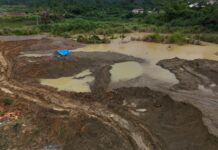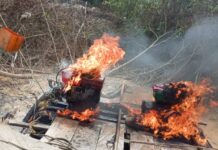


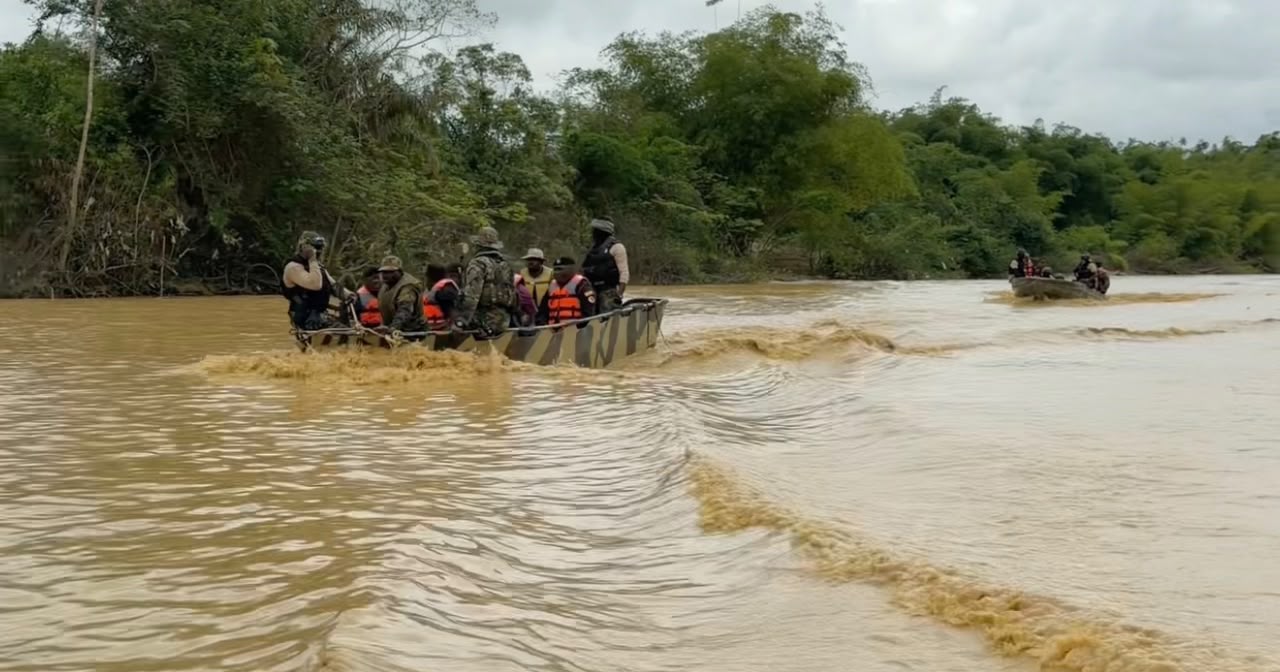

The Ghana Navy is stepping up efforts to combat illegal mining on the country’s water bodies with plans to establish military Forward Operating Bases along major rivers to prevent illegal miners from returning after security operations.
Flag Officer Commanding the Western Naval Command and the Two Garrison Commander, Commodore Stephen Billins Nyam, says the Navy has established a specialised Riverine Command to oversee activities on inland water bodies, many of which have come under severe threat from illegal mining.
He said the initiative forms part of broader efforts by the Ghana Armed Forces to support the national fight against illegal small-scale mining, popularly known as galamsey.
Commodore Nyam disclosed this during an engagement with journalists in the Western Region as part of the Western Naval Command’s Media Week and Press Soirée in Takoradi.
He explained that the Riverine Command has mapped out major river systems across the country and identified strategic locations for the establishment of Forward Operating Bases to strengthen surveillance and sustain security operations.
Although the deployment plan has been developed, he acknowledged that the establishment of the bases was still ongoing and yet to be completed.
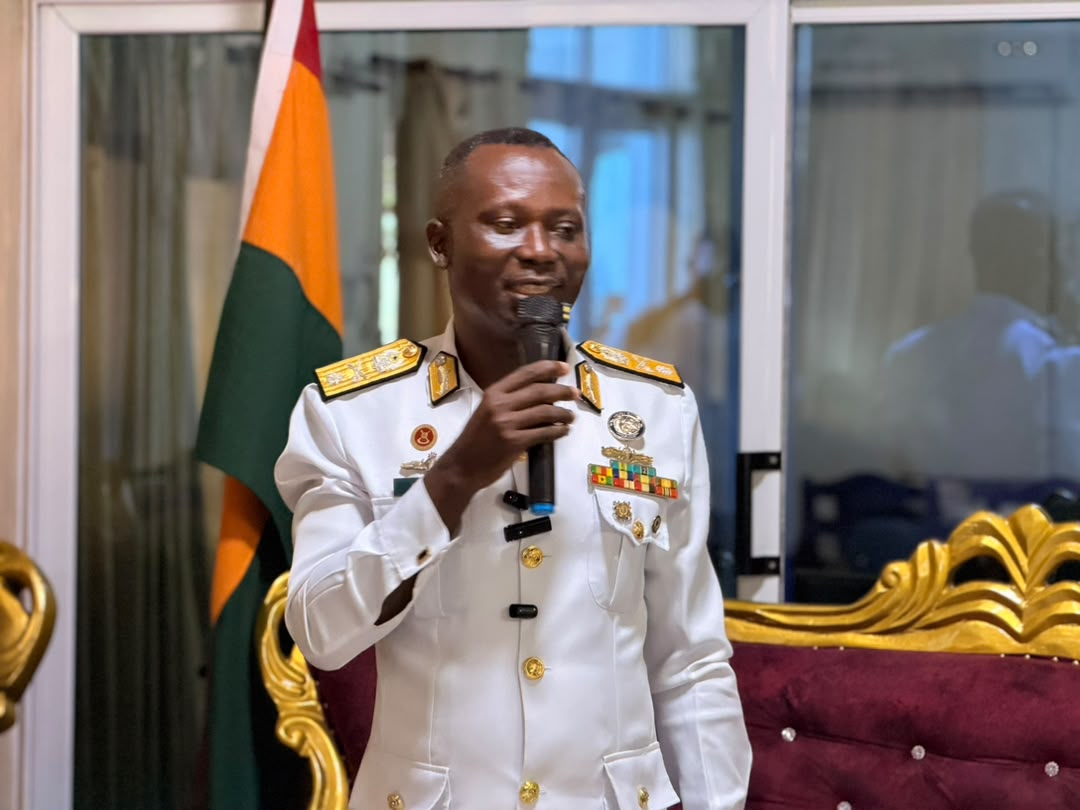
Commodore Nyam expressed confidence that once fully operational, the bases would provide a sustained military presence on major rivers and help curb the pollution caused by illegal mining activities.
He noted that while the National Anti-Illegal Mining Operations Secretariat (NAIMOS) was currently undertaking targeted operations to flush out illegal miners, such interventions would have limited long-term impact if security personnel failed to maintain a presence in affected areas.
“Currently, NAIMOS is operating a surgical operation to get them out, but if you get them out and you don’t stay there to police it, the galamsey operators will come back,” he said.
He explained that the Riverine Command was being established to address this challenge by ensuring continuous monitoring of the country’s inland water bodies.
The Navy also intends to manage the Blue Water Guards, who have undergone training to support efforts to protect water bodies against illegal mining.
Commodore Nyam stressed that the fight against galamsey had become a major national security concern requiring coordinated efforts from all relevant institutions.
He said naval personnel with expertise in maritime and riverine operations were already working alongside other security agencies under NAIMOS to tackle illegal mining activities on water bodies.
The engagement with the media, according to him, was also intended to strengthen collaboration between the military and journalists to promote timely and accurate information sharing on security operations.
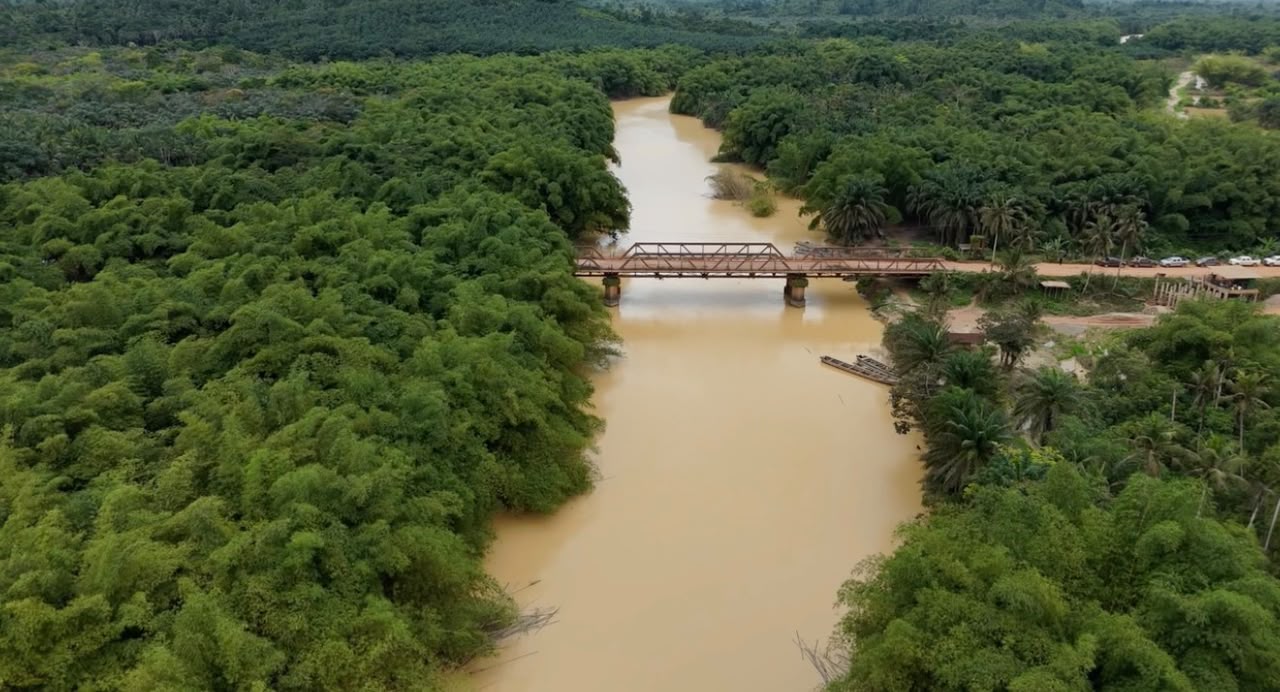
He emphasised that effective media engagement was crucial in helping the public understand the military’s interventions and the challenges confronting the security services.
The Western Naval Command’s Media Week and Press Soirée brought military personnel and journalists together to strengthen relations, improve communication and explore ways of enhancing cooperation between the two institutions.
Commodore Nyam said the military recognised the media as an important partner in national development and urged journalists to engage the appropriate military authorities for clarification on security-related matters.
He said improved communication would help ensure that accurate information reaches the public promptly while protecting the institutional reputation of the Ghana Armed Forces.
By Ebenezer Atiemo