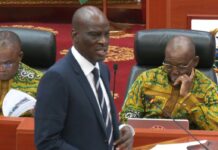

Executive Director of Africa Education Watch, Kofi Asare, says government’s approval to recruit 10,000 teachers falls short of what is needed to address teacher shortages across the country.
He says at least 20,000 teachers must be recruited this year to replace those leaving the profession and fill existing vacancies in schools.
Speaking on TV3’s The Daily Brief on Friday, November 27, Kofi Asare explained that between 7,000 and 10,000 teachers leave the profession every year through retirement and other reasons.
He said the government’s allocation would barely replace those leaving the service, leaving schools with existing shortages.
“Every year, at least 7,000 teachers leave the profession. Now, because of the increase in teacher attrition due to the demand for teachers in other countries, I put a number between 7 and 10,000. It’s going to be around 10,000,” he said.
Asare said the country must recruit at least 10,000 teachers annually just to replace those who leave the profession.
“So if you are losing a maximum of 10,000 teachers a year through teacher attrition and also those who are retiring, it means that every year, to maintain equilibrium, you must recruit 10,000,” he explained.
He added that the country still has teacher shortages in several districts, particularly at the Kindergarten and Junior High School levels.
Asare also questioned why the government had approved only 10,000 recruitments when the country was already struggling to distribute teachers fairly across schools.
“We indicated that at least this year we need 20,000. The Ministry of Finance has given 10,000. Now let me tell you why the 10,000 is inadequate,” he said.
He, therefore, called on the Ministry of Education to give priority to teachers who completed their training earlier but have remained unemployed, arguing that the previous recruitment system gave priority to applicants based on their year of completion.
He also proposed tax incentives to encourage private schools to employ licensed teachers, saying this could help create more opportunities for unemployed graduates.
By Evelyn Ampah