
For residents of Mpohor District, the struggle for a clean and healthy environment could soon become easier as the District Assembly steps up efforts to improve waste collection and disposal.
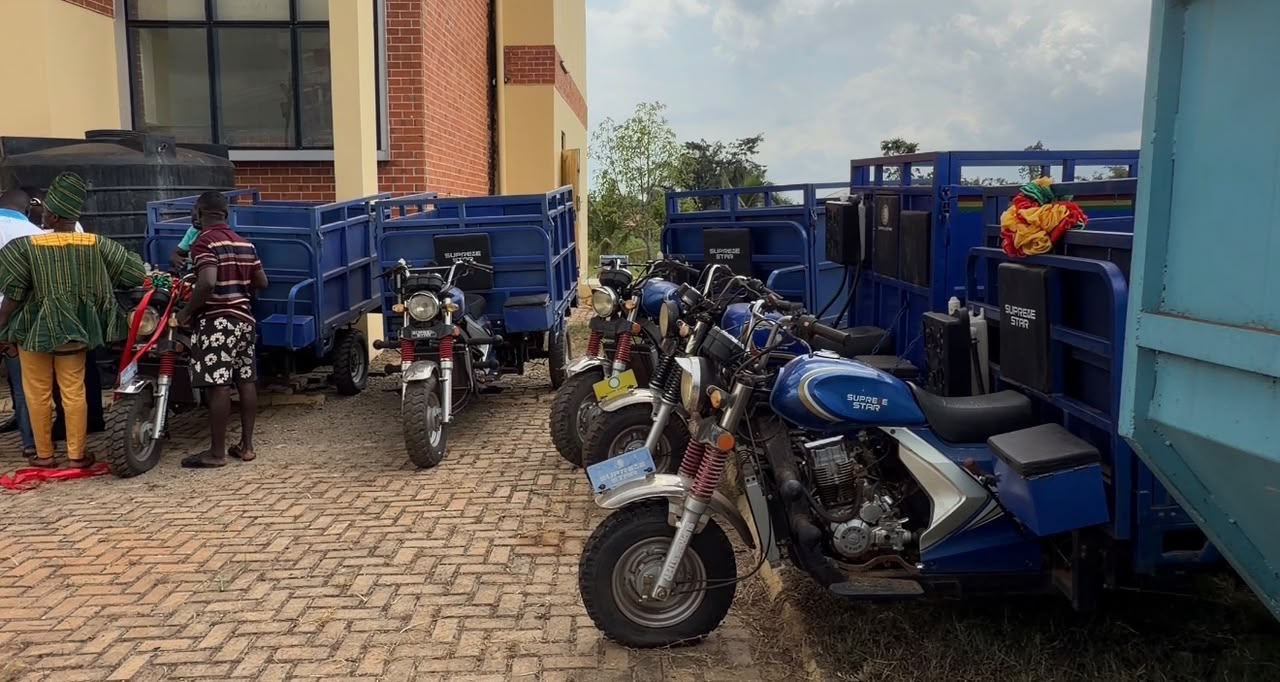
The Western Regional Minister, Joseph Nelson, has commissioned and handed over five skip containers and seven sanitation tricycles to the Mpohor District Assembly to strengthen waste management and address sanitation challenges across the district.
The equipment is expected to improve the collection and transportation of household waste, particularly in communities where access to regular waste collection services remains a challenge.
Speaking at the commissioning ceremony, Mr Nelson commended the District Chief Executive, Sophia Aubynn, and her team for the initiative, describing it as a significant step towards improving environmental sanitation.
He said effective utilisation of the equipment would not only help keep communities clean but also reduce the risk of sanitation-related diseases.
Mr Nelson, however, cautioned that the impact of the investment would depend on proper management and regular use of the equipment.
He said the Assembly would be expected to demonstrate visible improvements in sanitation when he makes subsequent visits to the district.
The District Environmental Officer, Newton Turku, welcomed the intervention but said inadequate staffing remained a major obstacle to effective sanitation management.
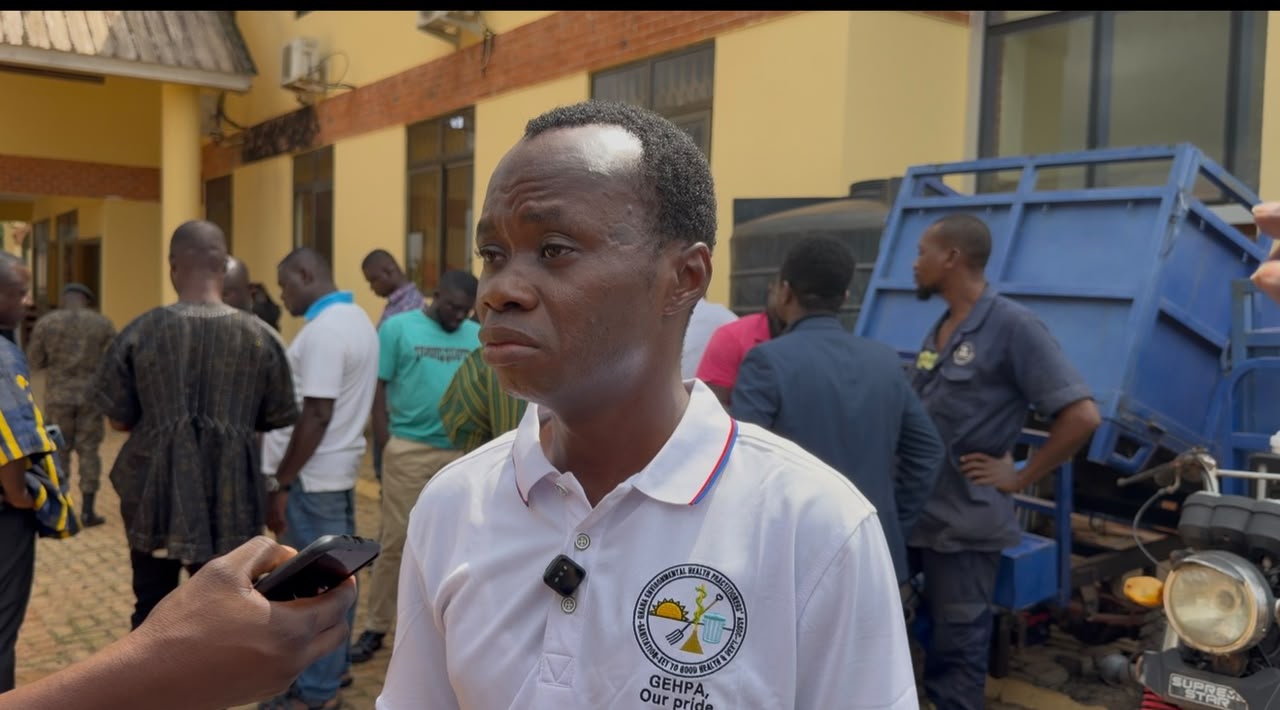
He disclosed that the Environmental Health Unit had only three officers, with one currently on study leave, leaving just one field officer to support sanitation monitoring and enforcement activities across the district.
Mr Turku appealed to the government to post environmental health officers who completed their training between 2021 and 2026 but were yet to receive postings.
He said the five skip containers and seven tricycles would significantly complement the Assembly’s efforts, although they would not be sufficient to serve all communities.
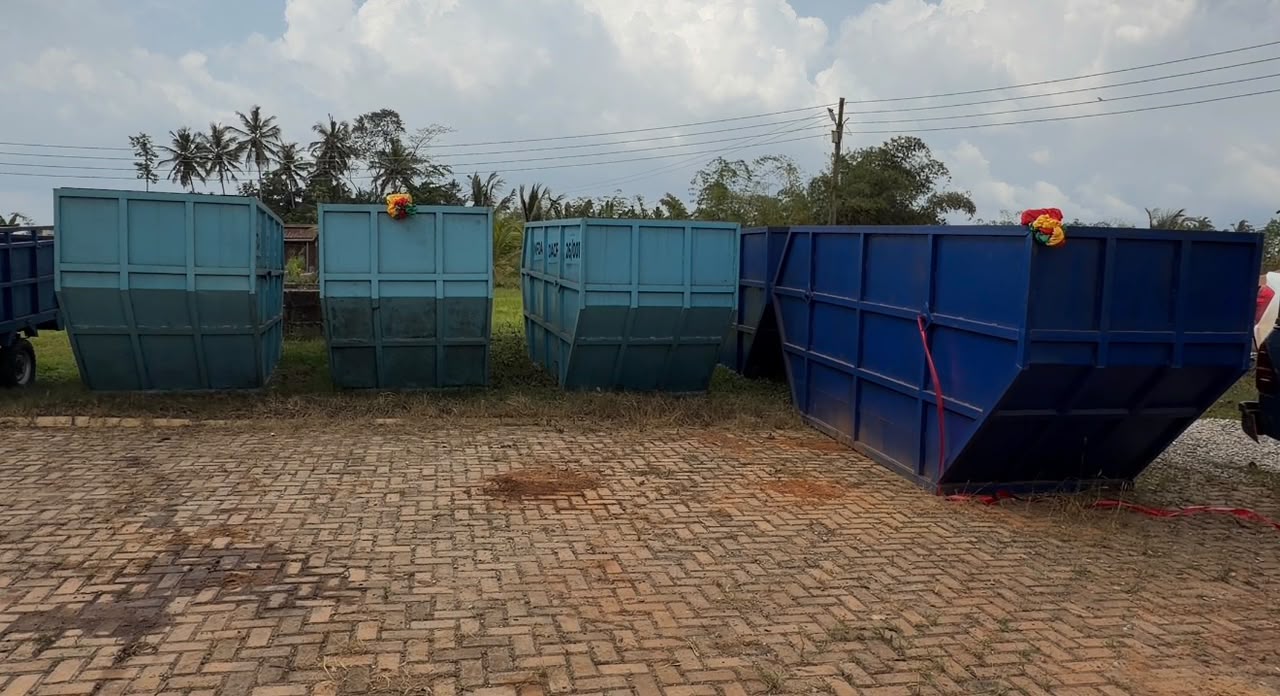
According to him, the district has four area councils, making it difficult to adequately distribute the equipment to cover the entire district.
He therefore called for additional government support to expand waste collection services and ensure that more communities benefit from improved sanitation.
For her part, the District Chief Executive, Sophia Aubynn, said the equipment was deliberately procured to address the district’s environmental sanitation challenges.
She assured residents that the Assembly would prioritise regular maintenance, particularly of the tricycles, to ensure they remain functional and deliver the intended benefits.
The intervention is expected to strengthen the Assembly’s sanitation operations, improve waste collection and promote healthier living conditions for residents.
However, the challenge now will be ensuring that the equipment is effectively deployed and sustained, while addressing the staffing and logistical gaps that continue to affect sanitation management in the district.
By Ebenezer Atiemo