
One month after the devastating floods of June 29, 2026, government says it is making steady progress in clearing waste and restoring sanitation in affected communities, with 5 out of 6 emergency waste transfer stations now operational.
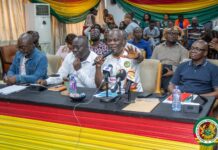
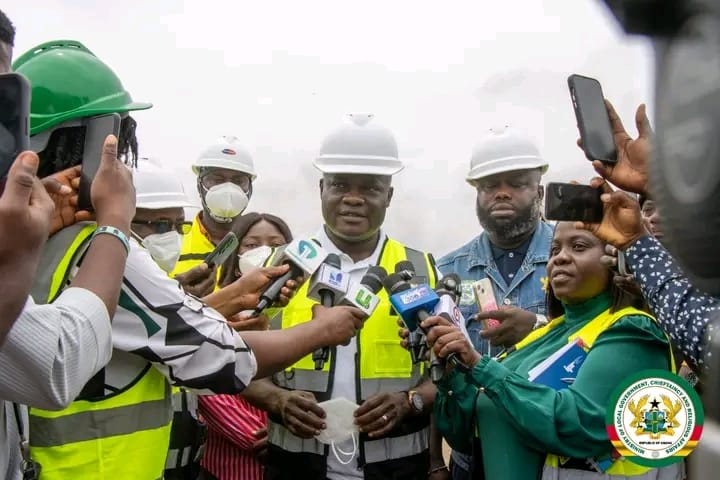
The update came during a working visit by the *Minister for Local Government, Chieftaincy and Religious Affairs, Hon. Ahmed Ibrahim*, to assess how interventions rolled out after the disaster are delivering results on the ground.
The visit forms part of government’s continued response to the President’s directives, which included a two-day national clean-up exercise and urgent measures to accelerate the evacuation of accumulated waste from flood-hit areas.
Briefing the media during the tour, Mr Ibrahim said the priority is to prevent a secondary public health crisis in communities still recovering from the floods.
“We are here to ensure that the interventions we introduced are working, to identify what gaps remain, and to make sure our people get back to clean and safe environments,” the Minister stated.
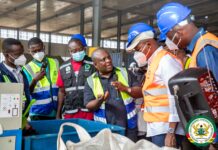
As part of the emergency response, government established six waste transfer stations to serve as hubs for evacuating waste from the hardest-hit communities.
According to the Minister, five of the six stations are now fully operational. The remaining facility at Malam is awaiting the completion of its access road before it can begin operations.
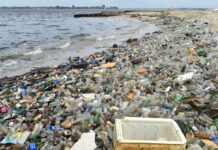
Officials say the stations have significantly improved the speed of waste collection and disposal, reducing the risk of disease outbreaks in areas where garbage had piled up after the floods.
Beyond waste evacuation, Mr Ibrahim said he is also assessing the broader sanitation situation, including drainage, public toilets, and refuse collection systems in the affected areas.
The findings from the exercise, he noted, will be presented to the Council of State and the Presidency to inform further action as government works to strengthen Ghana’s sanitation systems and build resilience against future emergencies.
“One month on, the work continues. But we are determined to turn this crisis into an opportunity to reset how we manage waste and urban sanitation across the country,” the Minister added.
The June 29 floods left several communities in Accra and other urban centres inundated, displacing residents and exposing major gaps in drainage and waste management. The disaster prompted an immediate government response, including the national clean-up and the deployment of additional waste management resources.
Government says it remains committed to long-term solutions, including improved urban planning, enforcement of building regulations, and investment in climate-resilient infrastructure.
As clean-up continues, the Ministry of Local Government has urged residents to support sanitation efforts by properly disposing of waste and avoiding dumping in drains.