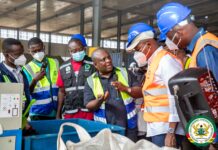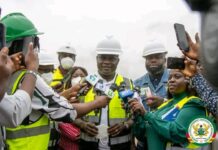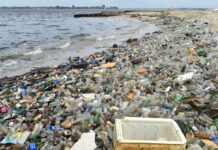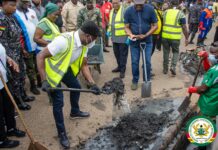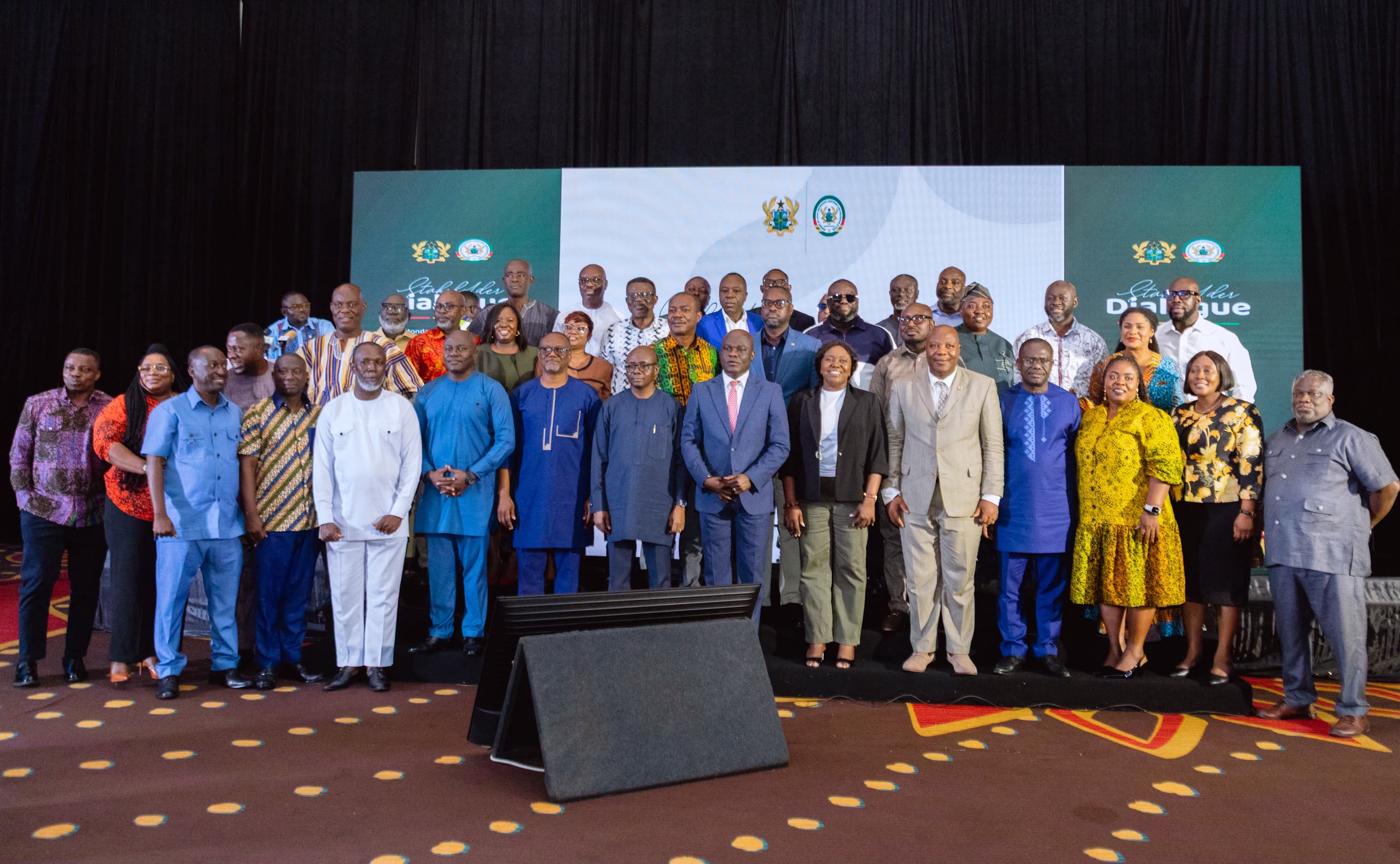

Stakeholders from across the sanitation sector gathered for a high-level dialogue on the theme “Alleviating Waste Disposal Crisis in Greater Accra.”
In the room were government officials, MMDCEs, sanitation experts, and private operators. One message kept coming back: we have to move past landfills.
Ahmed Ibrahim, Minister for Local Government, Chieftaincy and Religious Affairs, set the tone in his keynote. Urbanisation and population growth are pushing Ghana’s waste systems to the limit.
The country generates about 4,400 tonnes of solid waste every day — roughly 1.6 million tonnes a year — with an 80% collection rate. And that number is climbing fast.
For the Minister, modern treatment facilities aren’t a future project anymore. They’re an urgent national priority. But he was direct about the biggest hurdle: financing. Waste management can’t run on market forces alone. He pointed to South Korea as an example and said talks with the Ministry of Finance are underway to secure dedicated funding and clear arrears owed to private waste companies.
He also put responsibility back on local authorities. Even the best facilities, he said, will fail without money to run them. Delayed payments don’t just hurt companies — they create real environmental and health risks.
Dr. Joseph Siaw Agyepong, President of ESPA and Executive Chairman of Jospong Group, called landfills an outdated model. Ghana has built 17 of them with international support, and all reached capacity within a decade. His push: invest in collection, transfer stations, recycling, and composting. Make landfills the last option, not the first.
Money came up again. ESPA noted that global benchmarks suggest $15–$20 per household monthly for waste collection in countries like Ghana. Local recovery rates are much lower, which leaves operators struggling to keep services running.
Still, there was progress to point to. Ghana now has over 50 waste treatment and composting facilities and is exporting that expertise to Kenya, Ethiopia, and other African countries. Dr. Agyepong credited that to training hundreds of local professionals — building capacity from within.
Dr. Michael Mensah, Vice Dean of the MMDCEs, assured the group that assemblies are committed to raising standards. But the data made the stakes clear: poor waste management costs Ghana over GH¢6.2 billion a year in floods, healthcare costs, and environmental damage.
The dialogue ended with a renewed pledge. Government, assemblies, and private providers agreed that policy talk must turn into real financing. For Accra and the wider GAMA area, cleanliness depends on moving beyond landfills and building systems that last.