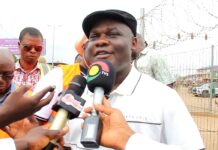

The Minister for Local Government, Chieftaincy and Religious Affairs, Ahmed Ibrahim, has urged Ghanaians to sustain the momentum generated by the nationwide sanitation exercise, stressing that the country has the leadership, institutions and capacity to address its sanitation challenges.
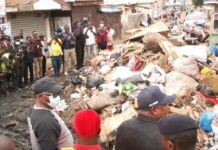
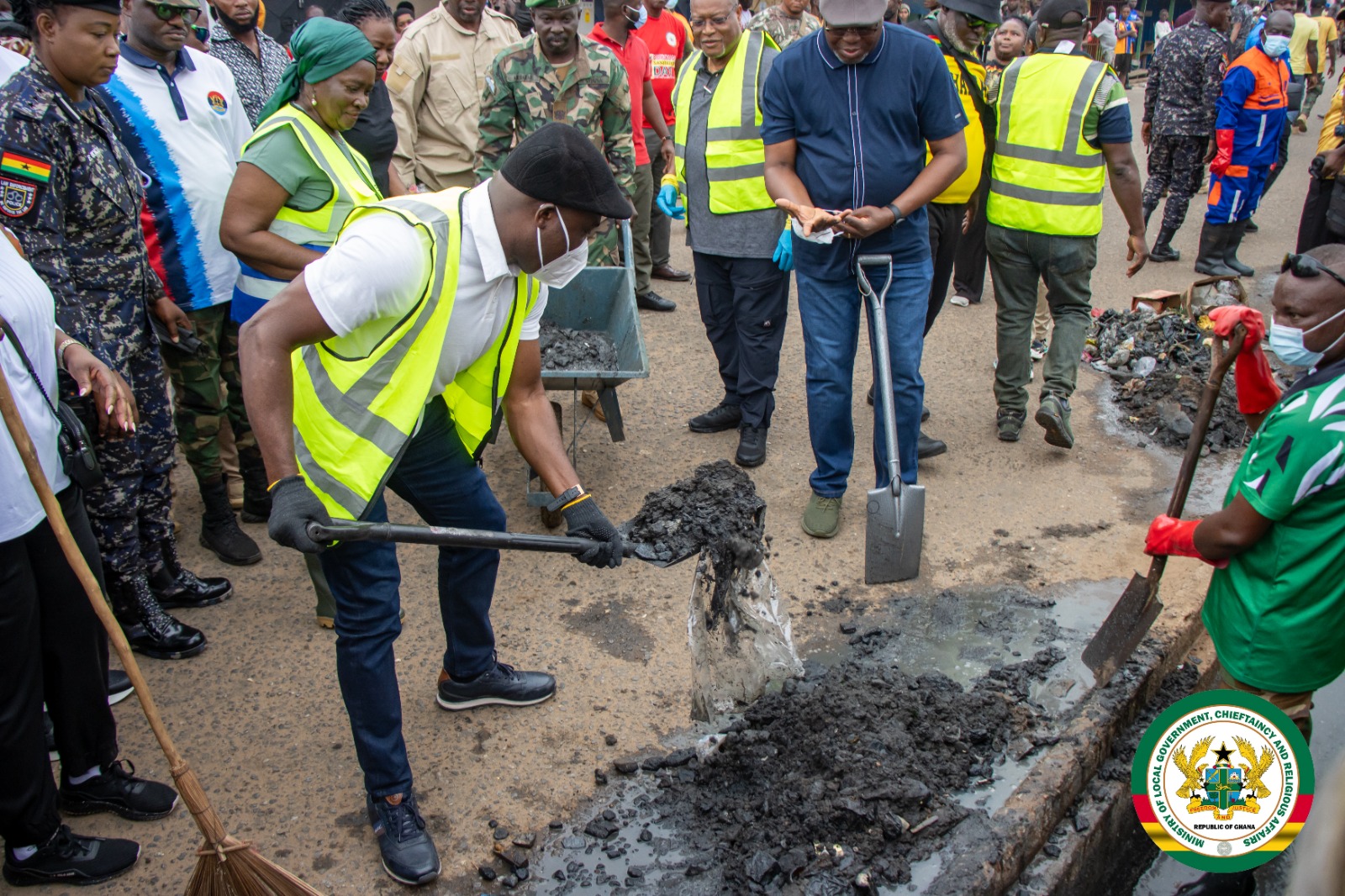
Speaking at the close of the two-day nationwide clean-up exercise, the Minister said the success of the initiative demonstrated what could be achieved when government institutions, security agencies, political leaders, traditional authorities, the media and the public work together towards a common goal.
He noted that ministries, departments and agencies actively participated in the exercise alongside the Ghana Armed Forces, Ghana Police Service, Ghana National Fire Service, Ghana Immigration Service and other security agencies, describing the turnout as a clear indication of national commitment to improving environmental sanitation.
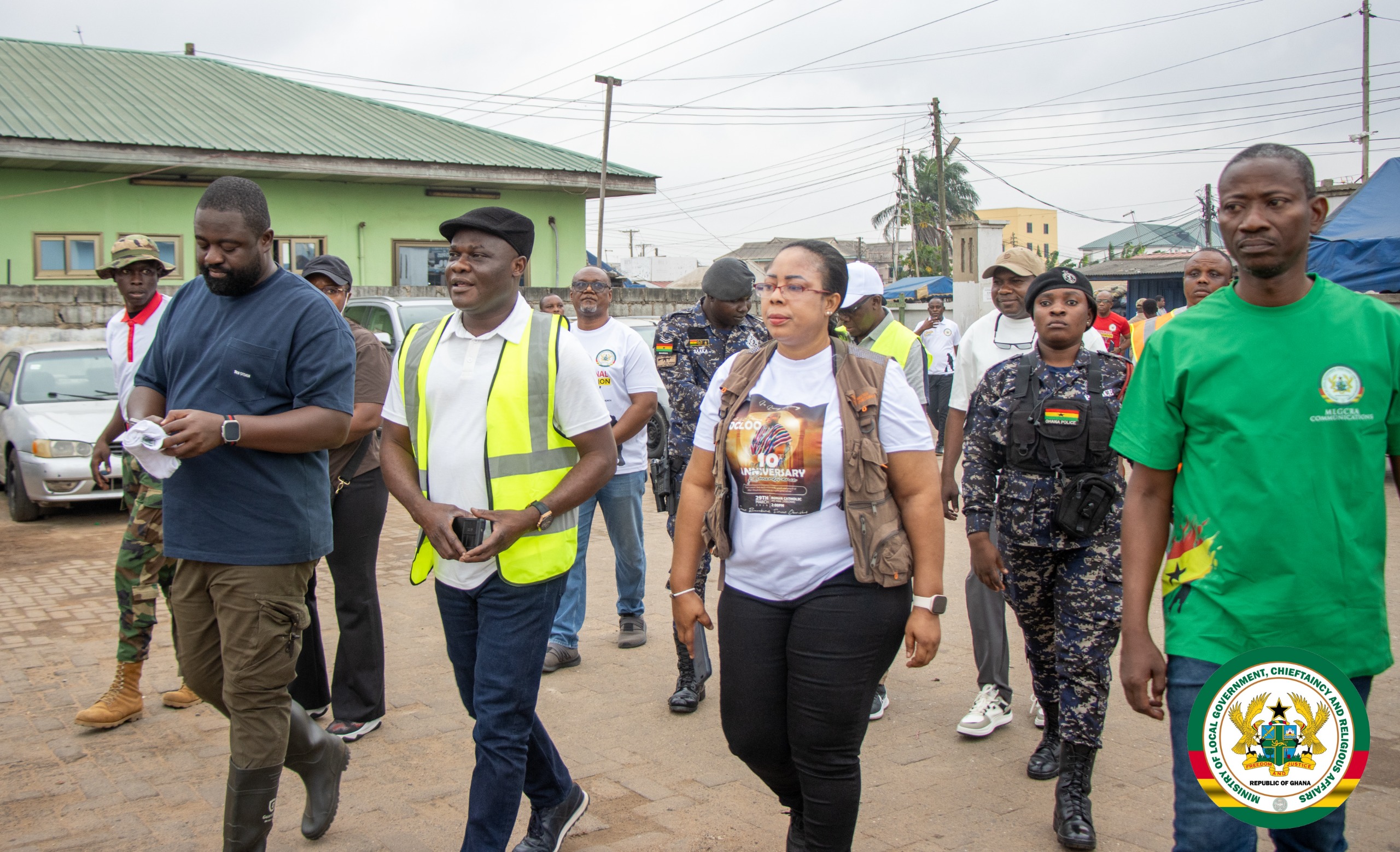
Mr. Ibrahim also commended political leaders across party lines for putting aside political differences to participate in the exercise.
According to him, sanitation is a national issue that requires collaboration rather than partisanship.
The Minister further acknowledged the role of the media in creating awareness and mobilizing public participation before and during the exercise. He encouraged media organisations to continue educating the public on proper sanitation practices to help sustain behavioural change.
He expressed confidence that Ghana can overcome its sanitation challenges if the level of cooperation demonstrated during the exercise is maintained. He urged Metropolitan, Municipal and District Chief Executives (MMDCEs), government institutions and residents to build on the gains made and ensure environmental cleanliness becomes a continuous responsibility rather than an occasional campaign.
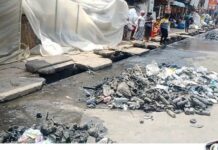
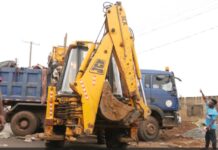
The nationwide sanitation exercise formed part of government’s efforts to improve environmental cleanliness and reduce flooding during the rainy season.
By Emmanuel Nelson Ebelin