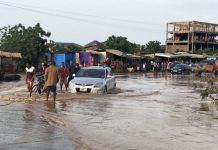

Ghana lost more than 195 million dollars in 2020 due to widespread flooding, a financial and environmental crisis the country continues to grapple with.
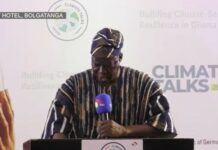
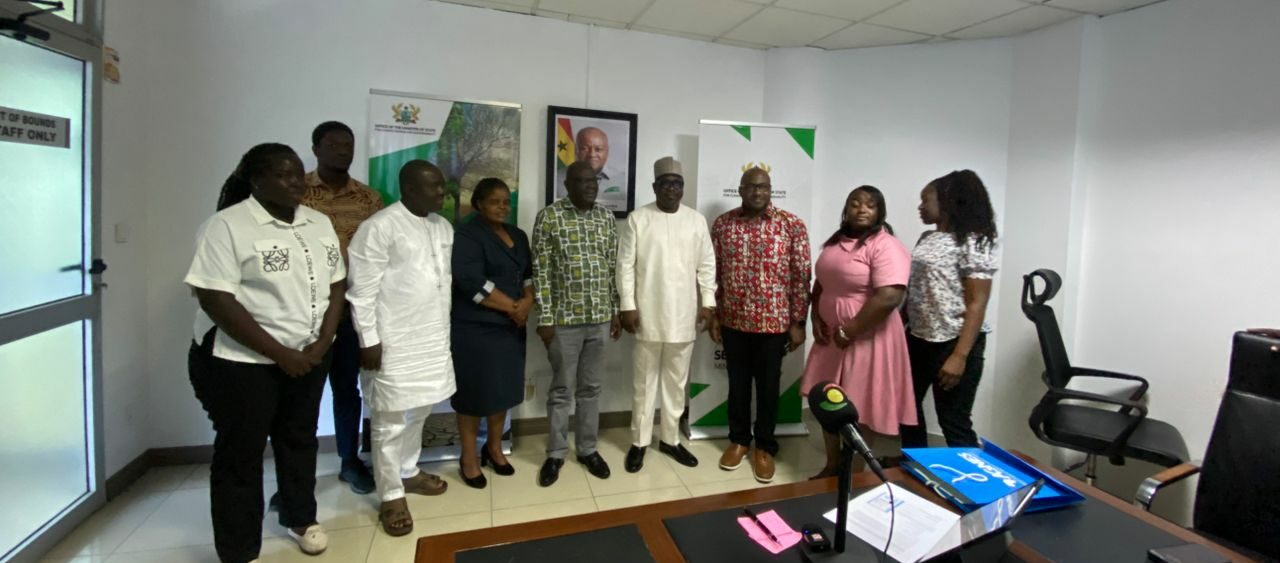
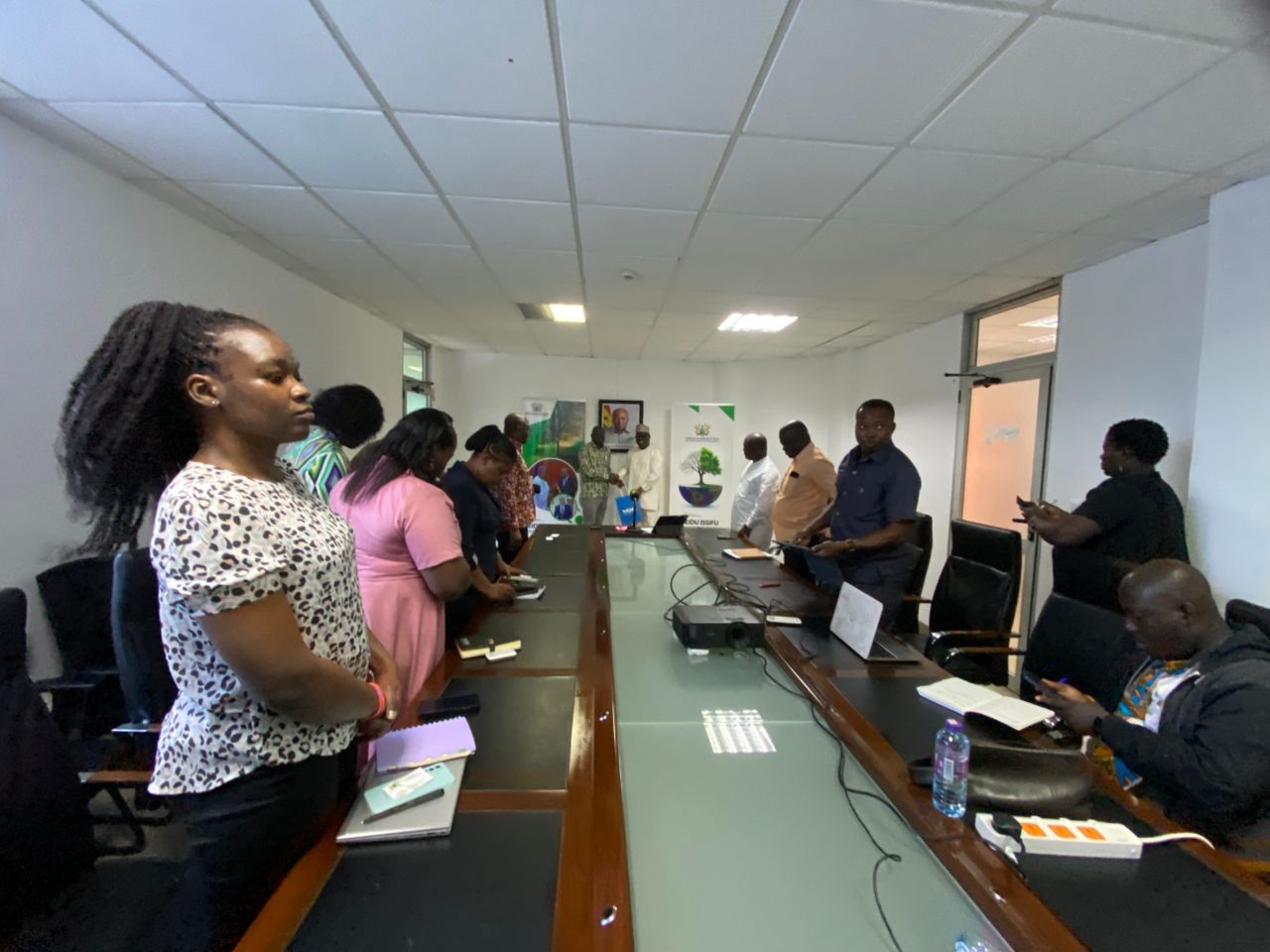
This was revealed by the Minister of State for Climate Change and Sustainability, Issifu Seidu, during a media briefing following a courtesy call by the African Group of Negotiators Expert Support (AGNES) on July 11.
The Minister attributed the economic and humanitarian cost of the floods to climate change, which he said is “largely driven by the industrial activities of developed nations.”
“Ghana is paying a high price for environmental damage caused by others,” the Minister lamented. “Our communities are being flooded, our farmers are losing their crops, and the country’s economy is suffering all because of a global crisis we contributed little to.”
Climate change is increasingly seen as one of the biggest threats to global development and poverty eradication. For Ghana, a country already vulnerable to extreme weather conditions, the impacts are being felt across various sectors from agriculture and infrastructure to health and education.
The Minister emphasized that climate-related disasters such as floods and droughts are not only destroying property but also rolling back years of developmental progress.
“The risks posed by climate change to Ghana’s development are immense. That is why we must act decisively and with urgency,” he said.
Ghana has already taken steps to address the crisis through its National Climate Change Policy (NCCP), which aims to integrate climate resilience into national development strategies.
However, the Minister stressed that financial constraints remain a major barrier to full implementation.
He called for greater budgetary allocations, especially for gender-responsive climate change interventions that support women and vulnerable groups disproportionately affected by climate disasters.
“We cannot implement effective climate action without adequate resources,” he noted. “This includes making sure that women who often bear the brunt of these disasters—are supported through targeted, responsive policies.”
Minister Seidu urged African governments to unite in their demands for climate justice. Specifically, he called for a climate change debt relief mechanism that would see developed nations compensate African countries for climate-induced losses and damages.
“Africa contributes the least to global emissions but suffers the most. It’s time for us to speak with one voice and demand compensation and support,” he said. “Debt relief linked to climate vulnerability must be put on the table.”
While pressing for international accountability, the Minister also acknowledged the need for internal capacity-building. He said Ghana and other African nations must work to build climate resilience, invest in early warning systems, improve drainage infrastructure, and strengthen disaster preparedness at both national and local levels.
“Beyond international negotiations, we must take ownership of our resilience. The floods of 2020 are a warning. We need to prepare for what lies ahead,” he concluded.
The Minister’s remarks come at a crucial time as global climate discussions intensify ahead of major international summits, including the upcoming United Nations Climate Change Conference (COP). Ghana and other African countries are expected to present a united front in demanding fair climate financing, stronger partnerships, and technological support.