
Climate change is no longer just an environmental concern.
Across West Africa, rising temperatures, floods, droughts, air pollution and changing rainfall patterns are increasingly threatening public health, food security and livelihoods.
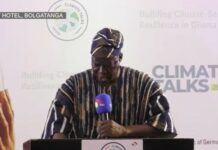
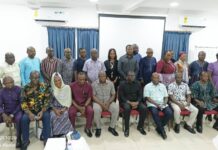
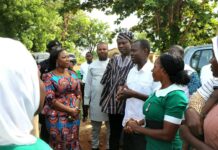
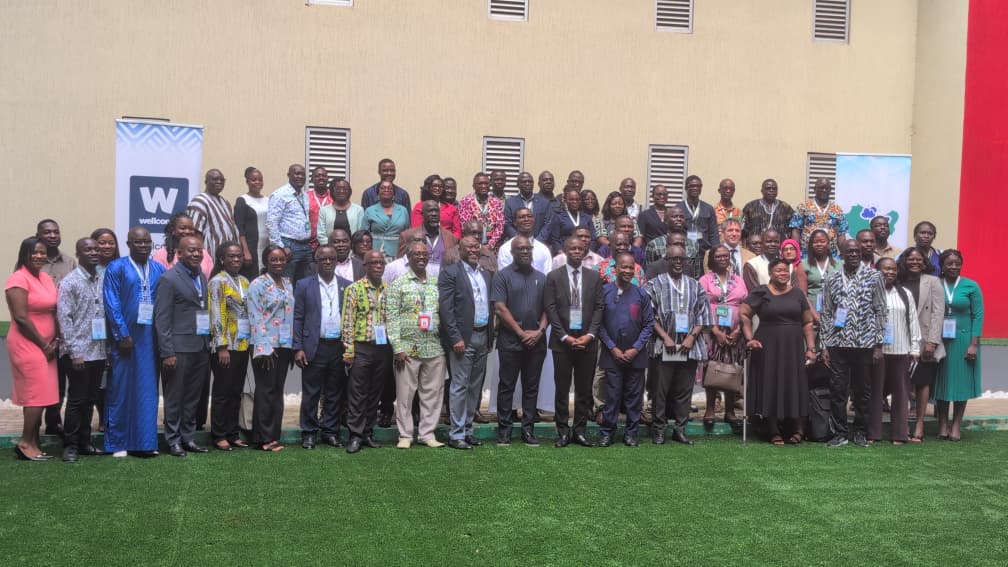
It is against this backdrop that the West Africa Climate and Health Consortium has been launched to bring together researchers, policymakers and institutions from Ghana, Senegal and beyond to turn climate science into practical solutions for healthier and more resilient communities.
The consortium seeks to bridge the gap between research, policy and action as climate change increasingly influences the spread of diseases such as malaria and dengue, while worsening respiratory illnesses, food insecurity and pressure on already stretched health systems.
“Changing rainfall patterns and changing temperature patterns create favourable breeding conditions for some of these diseases to thrive,” Consortium Director, Professor Philip Antwi-Agyei stressed.
Research under the consortium will focus on malaria, mycotoxin contamination, food systems and the use of indigenous knowledge to strengthen climate resilience.
“We don’t want to fold our arms and wait until we are able to generate evidence. There’s still a lot of evidence that has been generated… We want to see how we can use this to build the momentum,”Prof Antwi-Agyei said.
The Ministry of Health says Ghana has already undertaken a national assessment of climate-related health vulnerabilities and developed a Health National Adaptation Plan.
But officials say the real challenge is turning evidence into policy, investment and practical action.
“This is where we believe that the West Africa Climate and Health Policy Consortium can make a significant contribution”, Technical Advisor at the Ministry, Ernest Sekyere stated.
The Ministry is calling for stronger collaboration on climate-health capacity building, a comprehensive health-sector climate policy framework and a national heat-health action plan.
This, officials say, is becoming increasingly urgent as extreme heat, floods, droughts and changing disease patterns cross national borders.
For Senegal’s country lead, Prof. Roger Tine, Africa must take greater ownership of research into the climate challenges confronting its people.
“Africa has to increase its leadership in terms of research that is aiming to tackle global health challenges such as climate change. This is why we are committed to supporting this consortium because relevant research will help our health system to be more resilient.”
The consortium brings together institutions including KNUST, the University of Ghana and Senegal’s Cheikh Anta Diop University, alongside the Welcome Trust and other partners.
Its leaders say success will not be measured simply by the number of publications produced, but by the tangible difference the research makes in communities.
With climate risks intensifying across the region, the consortium hopes to move research beyond laboratories and academic journals into policies, health facilities and communities.