
In a bid to strengthen collaboration with media practitioners and enhancing public awareness of its humanitarian work across the country, the Ghana Red Cross Society has held a Media Engagement Workshop in Accra on March 19.
The workshop was designed to serve as a strategic bridge between the Red Cross and its media partners.
According to organizers, the initiative seeks to promote accurate, consistent and impactful reporting on the activities of the Red Cross, while fostering a transparent and open relationship with journalists.
The engagement sought to also help shift coverage from occasional reporting to a more sustained narrative that highlights the organization’s role in disaster response, health education and community support.

The journalists are expected to play a critical auxiliary role in projecting the Red Cross’ efforts to mitigate human suffering and respond to emergencies nationwide.
Programmes Coordinator for the Ghana Red Cross Society, Jeremiah Afako, took participants through the history of the organisation and its mandate, taking into cognizance their fundamental principles.
‘‘The red cross society is located in 199 countries and here in Ghana it was established in 1829 and currently has 66 thousand volunteers in Ghana. We have a lot of health projects that we are running. We work with all the various agencies. But we do not mediate in conflict issues.’’ He explained.
Key highlights of the workshop included a presentation of the Red Cross’ 2025 Impact Report, offering a comprehensive review of its activities and achievements over the past year.
Participants received briefings on first-quarter operations in 2026, alongside a roadmap outlining upcoming projects planned for the second quarter.
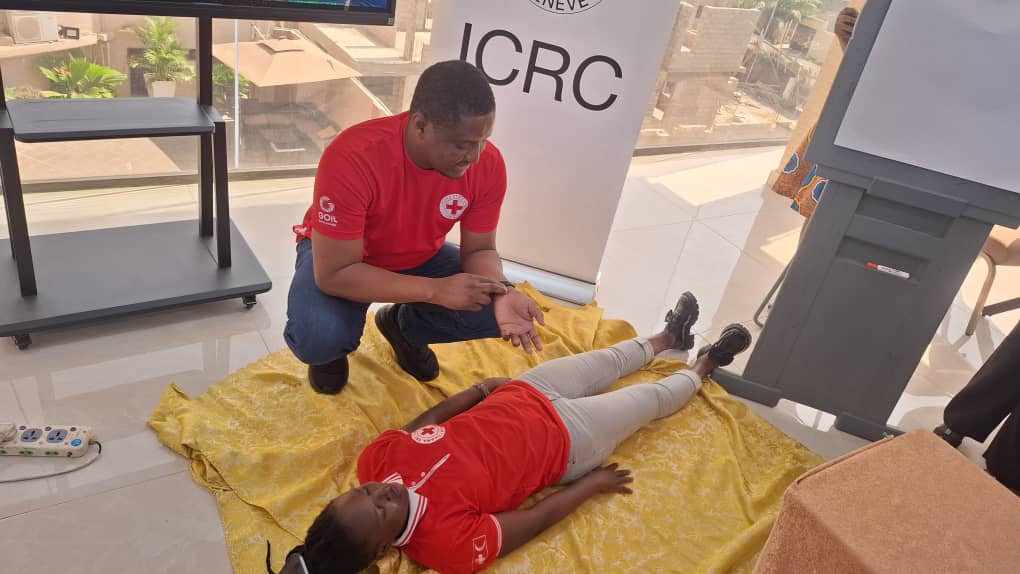
The workshop further provided insights into CPR administration, which equipped journalists with skills on what to do during emergencies.
The Ghana Red Cross Society operates as part of the global Red Cross and Red Crescent humanitarian Movement and relies heavily on volunteers to deliver emergency relief, health services and disaster preparedness programs across all regions of the country.
By Sarah Apenkroh