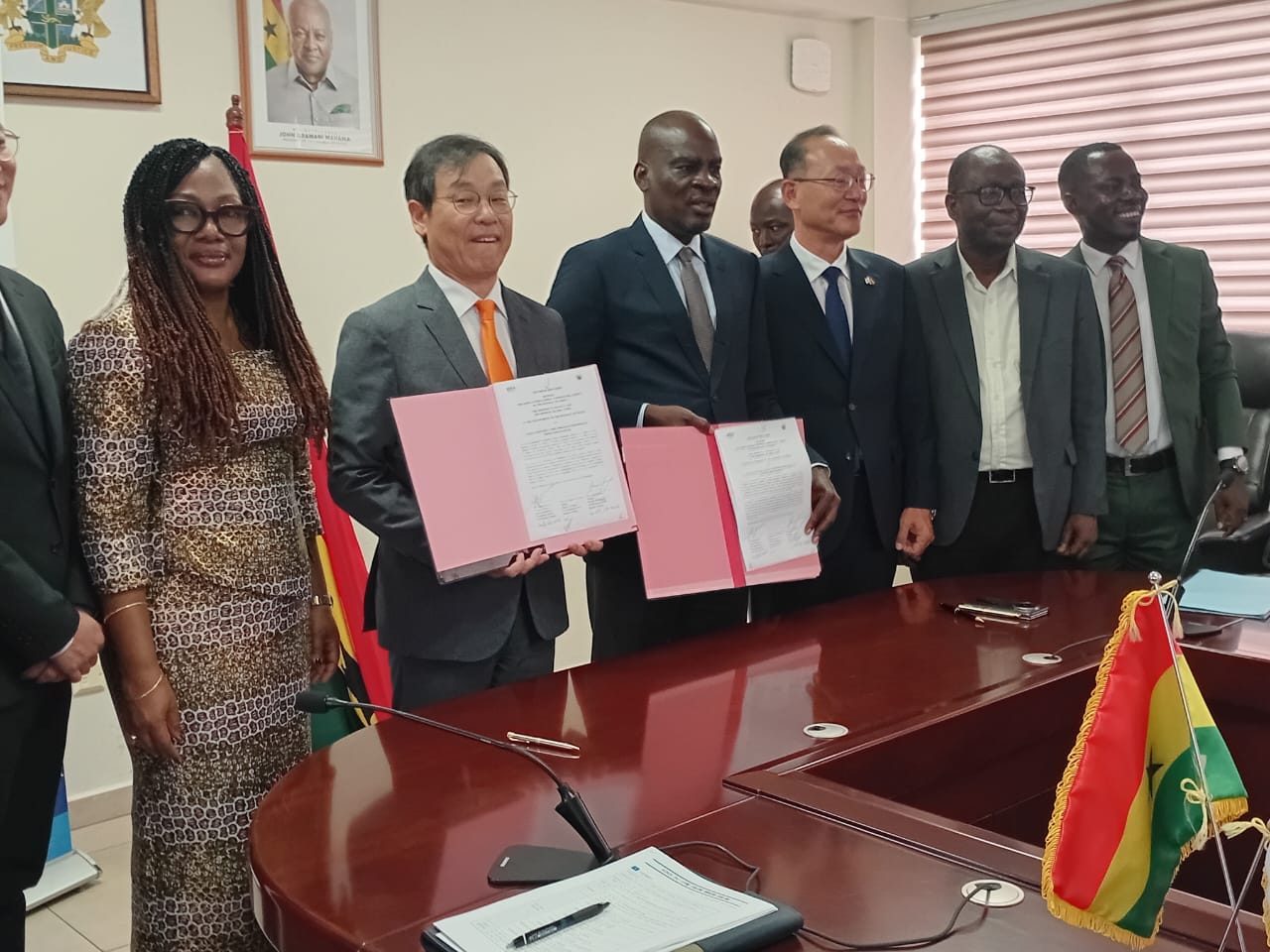

The Ministry of Education has secured a US$28 million funding facility from the Government of South Korea to expand Science, Technology, Engineering and Mathematics (STEM) infrastructure in the Ashanti and Northern regions.
The Education Minister, Haruna Iddrisu, made the announcement during a meeting with South Korea’s Ambassador to Ghana, Park Kyongsig, in Accra on July 8.
The funding marks the second phase of a long-standing partnership between Ghana and South Korea aimed at strengthening STEM education and equipping young people with skills for a technology-driven economy.
For more than two decades, South Korea has supported Ghana’s education sector through investments focused on improving access to STEM education. The first phase of the programme saw the construction and equipping of STEM facilities in the Eastern, Greater Accra and other regions.
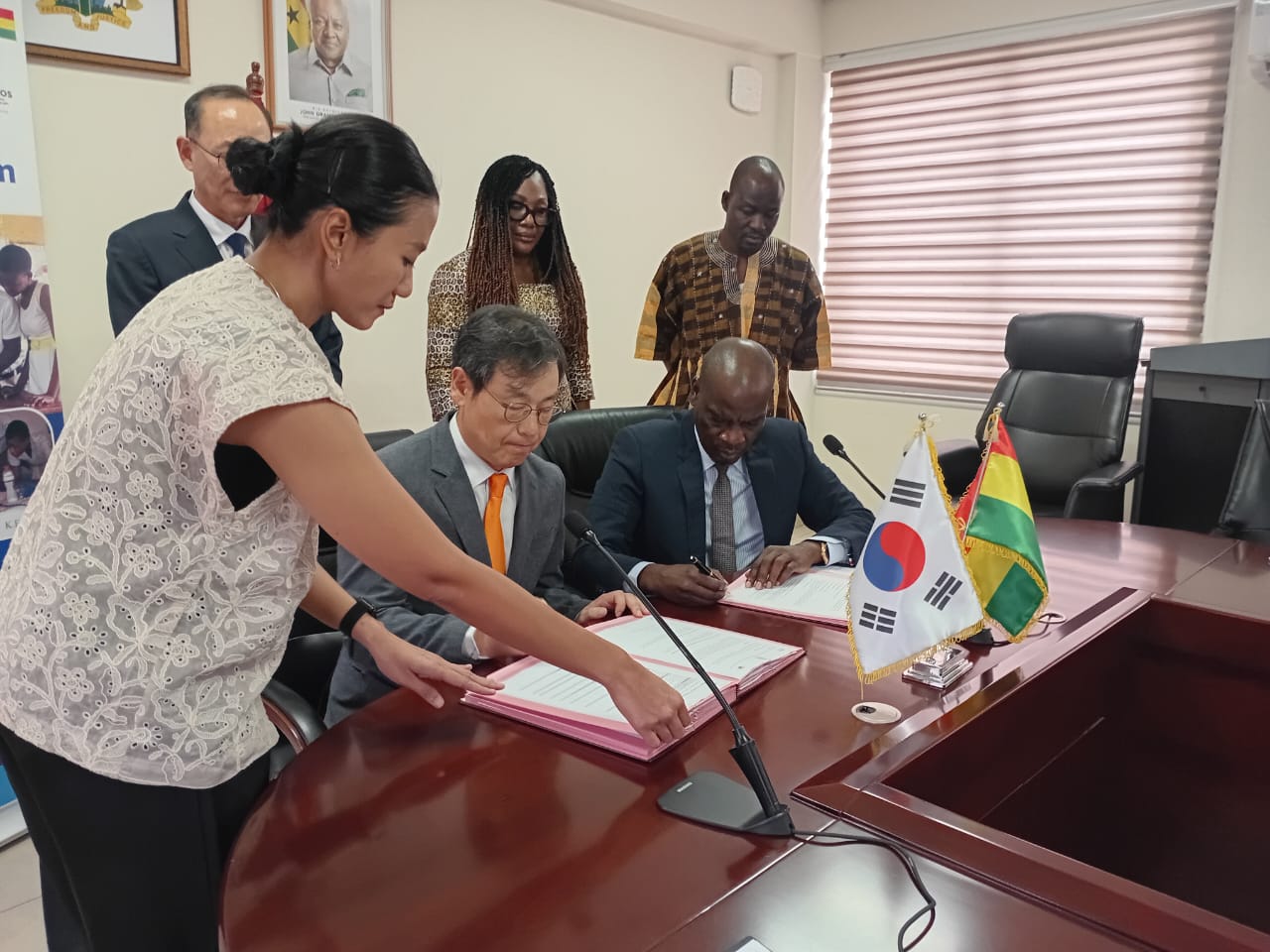
Speaking at the meeting, Mr. Iddrisu said the additional US$28 million would enable government to expand STEM infrastructure to the Ashanti and Northern regions, increasing access to quality science and technology education.
He stressed the importance of ensuring accountability in the execution of the project.
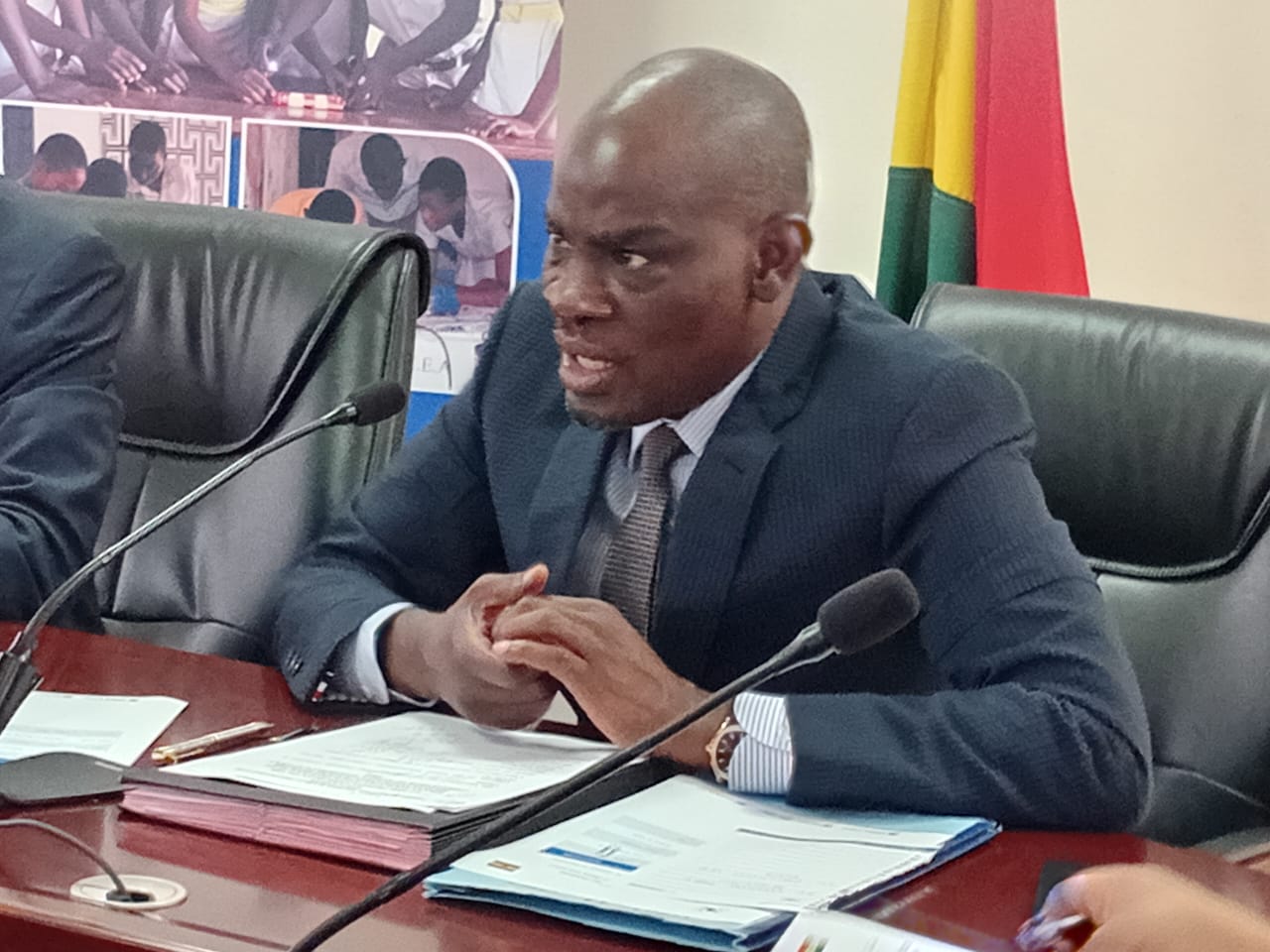
“We must ensure full transparency and strict adherence to procurement regulations to guarantee the successful implementation of the project and safeguard public resources,” the Minister said.
South Korea’s Ambassador to Ghana, Park Kyongsig, reaffirmed his country’s commitment to supporting Ghana’s educational transformation through continued investment in STEM education.
“South Korea remains committed to partnering with Ghana to strengthen STEM education. We are confident these new facilities will nurture innovation, improve learning outcomes and equip young Ghanaians with the skills needed for the jobs of the future,” Ambassador Park said.
The latest investment is expected to boost Ghana’s efforts to expand STEM education nationwide as government seeks to prepare more students for careers in science, engineering, technology and innovation.
By Daniel Opoku