
Ghana’s Ministry of Defence is set to establish a Defence Industrial Complex, with the Defence Industries Holding Company Limited (DIHOC) at its core.
This initiative marks a bold step toward enhancing the country’s defense capabilities and industrial self-reliance.
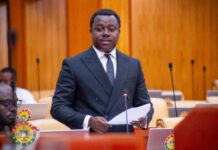
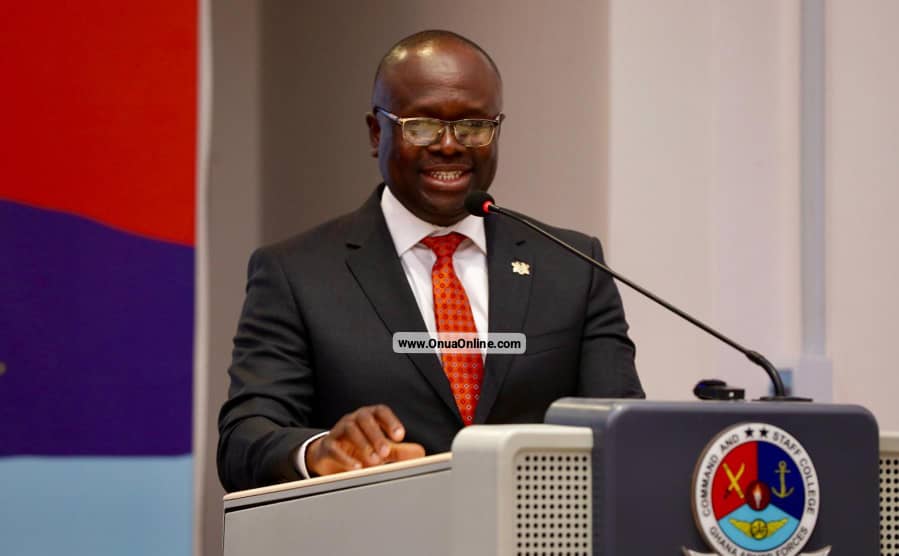
Speaking at the inauguration of the newly constituted Governing Board of DIHOC, Minister for Defence, Dr. Omane Boamah, described the company as more than a commercial entity. He called it “a sovereign instrument” within Ghana’s national defense framework.
DIHOC was initially conceptualized under the leadership of the late President John Evans Atta Mills. Now, under renewed strategic direction, it is being repositioned to serve a broader national purpose through innovation, inter-agency collaboration, and alignment with Ghana’s development agenda.
Dr. Boamah emphasized the importance of unlocking DIHOC’s full potential, citing directives from President John Dramani Mahama, who had envisioned a more prominent role for the entity in national development during his State of the Nation Address.
The Ministry of Defence, he said, is working closely with other government ministries and institutions to integrate DIHOC into key government flagship initiatives under Ghana’s reset agenda.
As part of this transformation, the Ministry is initiating the creation of a Defence Industrial Complex, a project mandated under the National Security Strategy (2020). DIHOC will serve as the anchor institution for the complex.
“This is not just about manufacturing,” Dr. Boamah stated. “It is about achieving operational independence, improving emergency preparedness, enhancing peacekeeping capabilities, facilitating technology transfer, and creating jobs.”
He stressed the need for Ghana to move beyond being a passive consumer in the global defense economy especially in a time marked by shifting geopolitical threats and fragile international supply chains.
“To stand still is to fall behind,” he warned.
Dr. Boamah reminded the newly appointed board members of their fiduciary responsibilities and the weight of the mandate they now carry.
“You are to observe the utmost good faith in all transactions, preserve the company’s assets, and promote its purposes,” he said. “Be bold, but be prudent. Be fast, but be deliberate. Build systems that last beyond your tenure.”

He urged the Board to act in strict accordance with DIHOC’s constitution and the laws of Ghana, always putting the interests of the company, its employees, and national stakeholders first.
Dr. Boamah said the Board’s appointment was both “an honour and a heavy responsibility,” but expressed full confidence in their ability to deliver measurable impact.
“Let DIHOC be the example of what a state-owned enterprise can achieve when purpose meets competence,” he said. “Let us move DIHOC from potential to productivity from vision to visible outcomes.”
He reiterated that national defense is a collective responsibility that extends beyond the Armed Forces. “The best way we can defend Ghana today is to build her industries, empower her people, and secure her resources.”
With this renewed mandate and strategic vision, the inauguration of the DIHOC Board signals the beginning of a transformative chapter in Ghana’s defense and industrial development landscape.
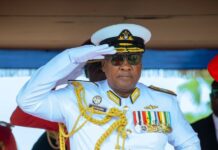
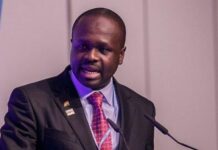
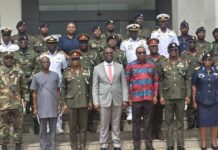
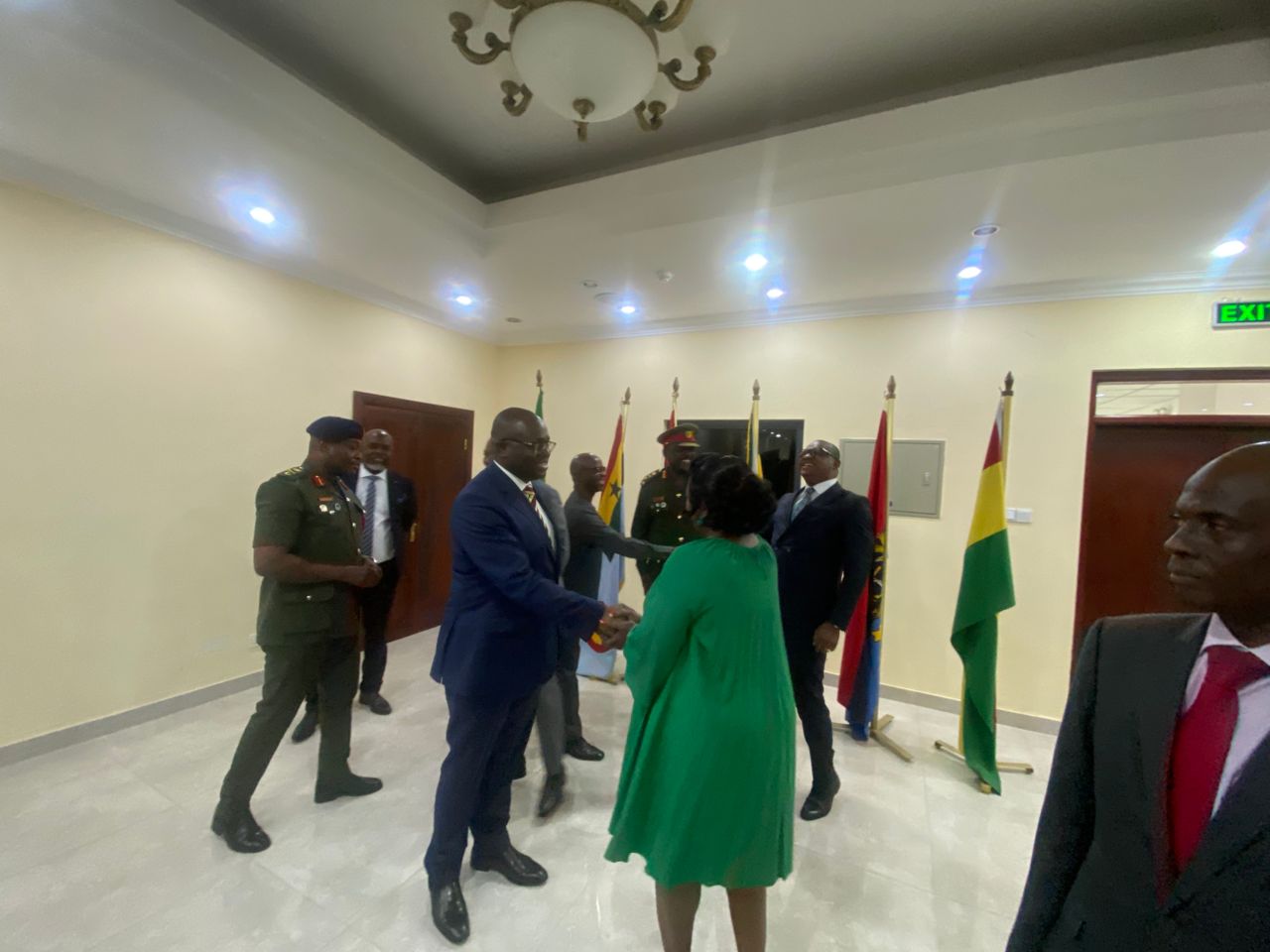
The Board is chaired by the Deputy Minister of Defence, Ernest Brogya Genfi, with the following as members: Emmanuel Kartey, Chief Director Ministry of Defense, Lt Gen. William Agyapong CDS, Emmanuel Drah, MP Upper West Akyim, Brig Gen Kwaku, DG Defence Industry, Col. (Rt) John Wilberforce, Director Veterans Administration, Vida Addea, businesswoman, Kwadwo Gyeke-Darko, private business and Brig Gen Charles Gbekle, legal services.
By Joseph Armstrong Gold-Alorgbey