
As part of efforts to boost the country’s gold sector, the Bank of Ghana (BoG) is adopting measures to add value to the raw gold Ghana has been exporting, to ensure more revenue.
The central bank aims to expand domestic gold refining through the value-addition initiative, positioning Ghana better in the global bullion trade for increased export revenue.
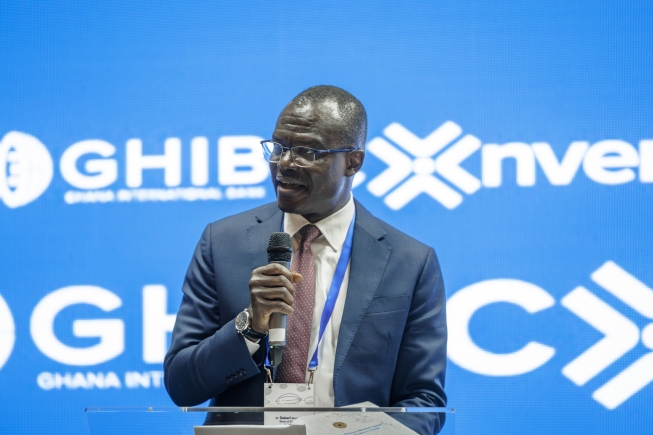
Dr. Zakari Mumuni, First Deputy Governor of the Bank of Ghana, outlined the central bank’s strategy for this initiative during his keynote address at the 2025 GHIB CONVERGE Conference in London, indicating that the move will help boost Ghana’s performance in the sector.
Speaking under the theme ‘Rethinking Commodity Finance for Growth,’ Dr. Mumuni noted that while Ghana is Africa’s top gold producer and among the world’s top 10, most of its gold is exported raw, depriving the economy of significant value.
“This is another avenue where financing, given the place of Ghana in the mine of gold, can support the establishment of refineries and other value chain infrastructure,” he said.
The BoG’s push aligns with its recent gold-backed policies, including the Domestic Gold Purchase Programme (DGPP) and the Gold-for-Oil (G4O) scheme. Since 2021, the DGPP has helped increase Ghana’s gold reserves from 8.7 tonnes to 33 tonnes, surpassing its five-year target ahead of schedule.
Dr. Mumuni emphasised that refining gold locally would enhance export earnings, support reserve accumulation, and improve supply chain transparency. Analysts say this could position Ghana as a refining hub for West Africa, though success depends on regulatory consistency and environmental safeguards.
The CONVERGE Conference, organised by Ghana International Bank (GHIB), brought together finance and trade experts to explore Africa’s shift from raw commodity exports to value-added processing.
BoG attributes cedi stabilisation, inflation decline to Domestic Gold Purchase Programme