
Stakeholders in the Bodi district have warned that illegal mining, deforestation, and indiscriminate disposal of plastic waste are threatening agriculture, water resources, and livelihoods in the area.
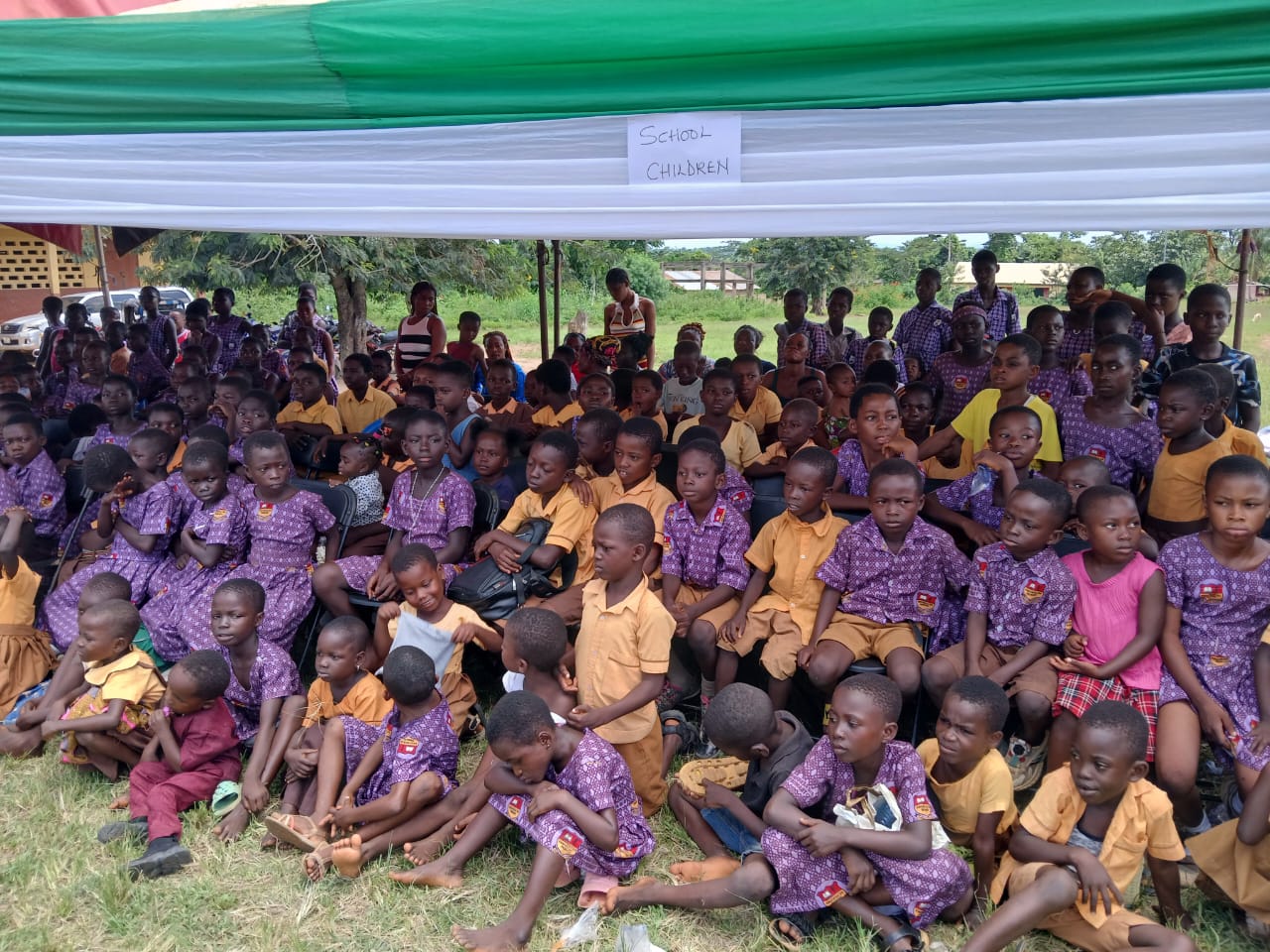
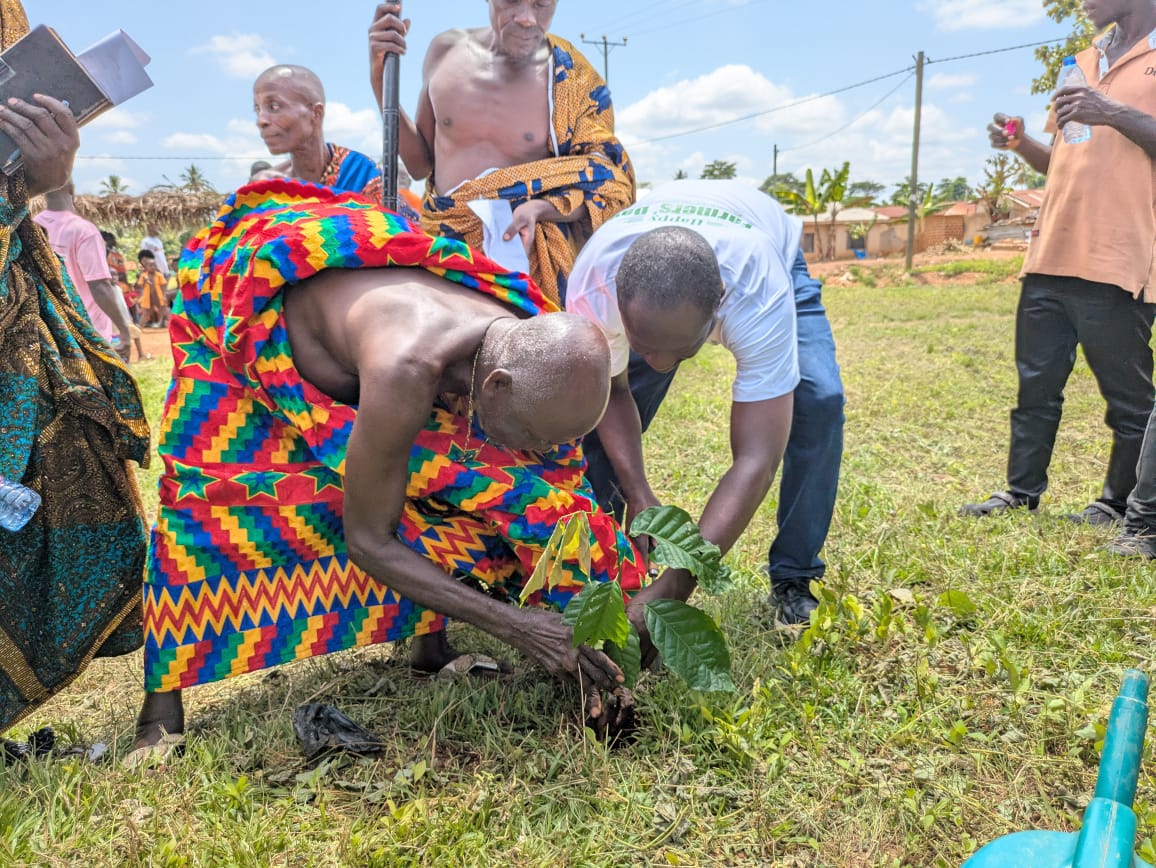
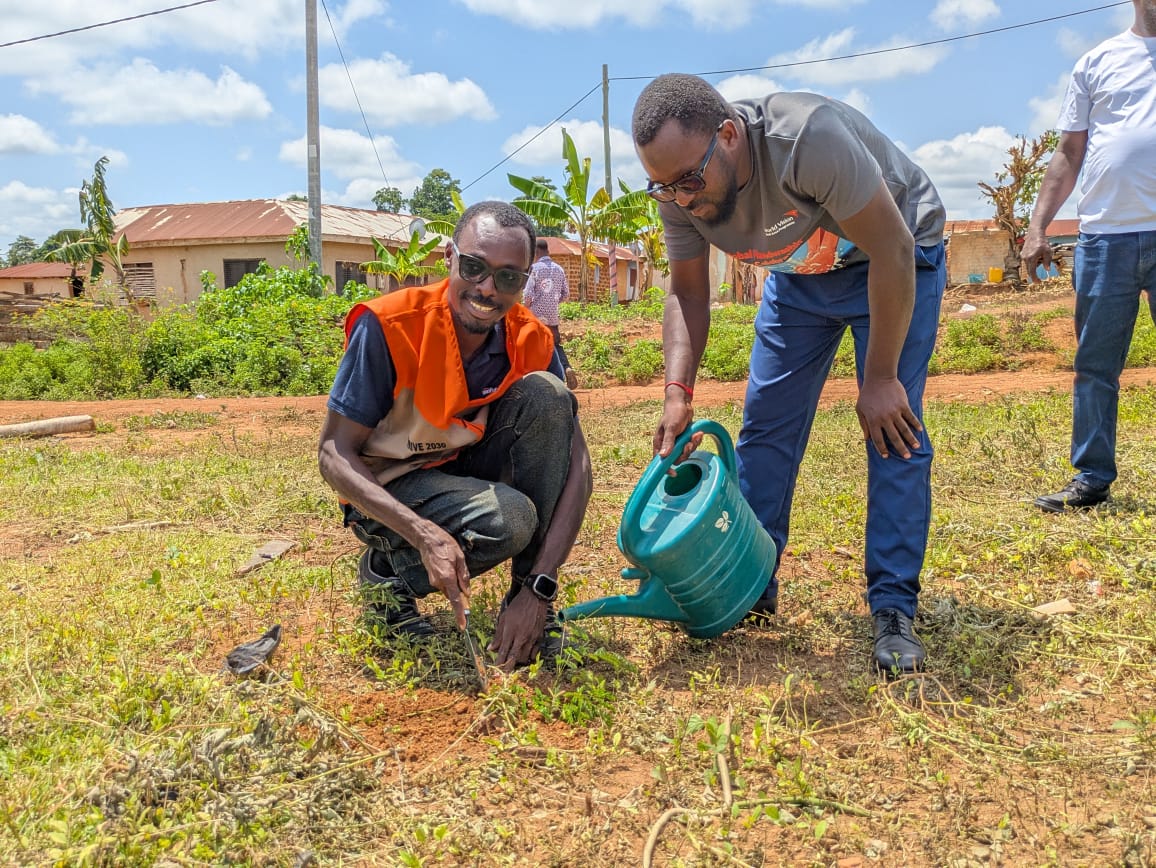
The remark came at the 2026 World Environment Day commemoration organized by World Vision Ghana, Bodi Area Development Programme, under the theme “Climate Action for Sustainable Agriculture: Building Resilient Households and Communities”.
Representing the National Director of World Vision Ghana at the event, Joseph Awuku-Adarkwah, Cluster Manager for Diaso and Bodi, said climate change is no longer a distant threat but a present reality affecting agriculture, water resources, food security, and the wellbeing of children and families.
“Irregular rainfall patterns, prolonged dry spells, flooding, land degradation, deforestation, and pollution of water bodies through illegal mining continue to undermine agricultural productivity and increase the vulnerability of rural households,” he stated.
The District Director of Agriculture for Bodi District, Isaac Mensah, also warned that Ghana’s agricultural sector is being threatened by the indiscriminate destruction of forests, water bodies, lands, and farmlands.
 He said these activities have the potential to cause food and nutritional insecurity and could jeopardise the country’s vision of attaining self-sufficiency in food production.
Mr. Mensah further cautioned that the indiscriminate disposal of plastic waste poses a growing threat to soil health.
“These polybags have found their way into our agricultural lands and are slowly integrating into our soils. This is a looming danger because they cannot be decomposed and ought to be disposed of properly without interfering with productivity,” he stated.
Ephraim Foanor Kwadwodeh, Environmental Health Officer for Bodi District, stressed the need for proper waste management to protect the environment.
“Improper disposal of plastic waste and other refuse not only chokes our drains and causes flooding, but also contaminates water sources and destroys soil fertility. We must all take responsibility for keeping our environment clean,” he said.
Nana Owusu Ansah, Kontihene of Sefwi Kwafukaa, who chaired the event, commended World Vision Ghana for the initiative and urged communities to protect natural resources.
“Our forests, rivers, and lands are our inheritance. If we destroy them today, our children will have nothing tomorrow. We must all support efforts to restore and protect the environment,” he said.
He called for collective responsibility, urging communities to protect forests, conserve water bodies, adopt sustainable farming practices, restore degraded lands, and support policies that promote environmental stewardship.
Mr. Awuku-Adarkwah explained that for over four decades, World Vision Ghana has implemented integrated development programmes to address poverty, injustice, and environmental sustainability.
“Through our National Office Strategy FY26-30, we contribute to the global aspiration of ensuring hope, joy, and justice for all children while supporting Sustainable Development Goals 1, 2, 6, 13, 14, and 15,” he added.
World Vision Ghana reaffirmed its commitment to partnering with government institutions, traditional authorities, development partners, and communities to build resilient households and communities where every child can experience hope, joy, and justice.