
Ghana’s inflation has fallen sharply to 3.8 percent, offering the clearest sign yet that the intense price pressures households have lived with over the past year are finally easing.
The latest Consumer Price Index figures released by the Ghana Statistical Service show that inflation in January 2026 dropped from 5.4 percent in December and is now almost 20 percentage points lower than the 23.5 percent recorded in January last year.

For many Ghanaians, this means the pace at which prices are rising has slowed dramatically, even though not everything feels cheaper just yet. On average, prices rose by only 0.2 percent between December and January, a modest increase compared to the sharp monthly jumps seen earlier in 2025.
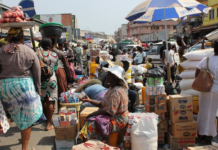
Food prices, which matter most to households, have also cooled. Year-on-year food inflation fell to 3.9 percent, down from 4.9 percent the previous month. Still, food costs edged up slightly within the month, increasing by 1.1 percent, reflecting the mixed reality consumers face at the market: some items are cheaper, while others remain stubbornly expensive.
Non-food items provided a bit more relief. Inflation for non-food goods and services also slowed to 3.9 percent, and prices in this category actually fell by 0.4 percent month-on-month, helping to ease pressure on transport, utilities and other household expenses. Goods inflation, which covers most everyday purchases, dropped to 3.6 percent, while services inflation stood at 4.0 percent.
The slowdown has been even more pronounced for imported items, where inflation dropped to 2.0 percent, compared to 4.3 percent in December. Locally produced goods, however, are still seeing relatively higher inflation at 4.5 percent, pointing to ongoing domestic challenges such as transport costs, supply constraints and uneven market access.
Inflation is also playing out very differently depending on where one lives. While the national average is 3.8 percent, the North East Region recorded inflation as high as 11.2 percent, making it the most expensive region in relative terms.
At the other end of the scale, the Savannah Region recorded deflation of -2.6 percent, meaning prices there actually fell over the year. Regions like Volta, Eastern, Western and Ahafo continue to record inflation above the national average, highlighting how uneven price pressures remain across the country.


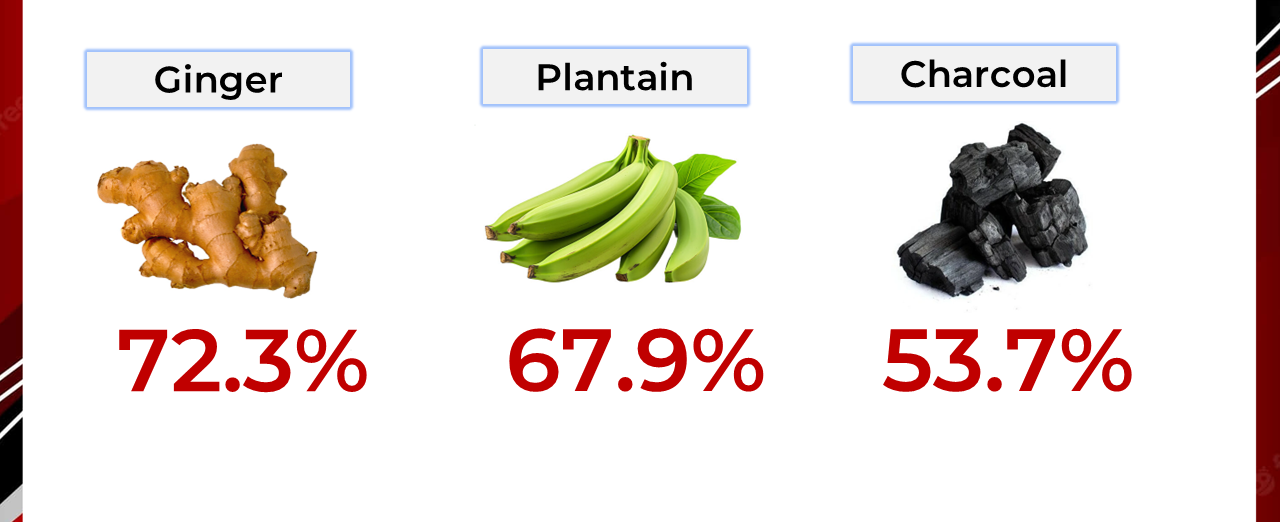
At the item level, the data explain why many households still feel squeezed despite the headline improvement. Prices of everyday essentials such as ginger, plantain and charcoal remain extremely high, with inflation rates of 72.3 percent, 67.9 percent and 53.7 percent respectively. These items were among the biggest contributors to overall inflation in January.
At the same time, some food items have become significantly cheaper. Garden eggs, fried fish and kontomire recorded price drops of more than 40 percent, helping to pull overall inflation down.


According to the Ghana Statistical Service, the steady fall in inflation over 13 consecutive months signals that the country is moving toward macroeconomic stability.
The Service is encouraging households to plan their budgets with more confidence, businesses to invest in efficiency and pass on cost savings, and government to sustain fiscal discipline while investing in food production, storage, transport and market infrastructure to narrow regional gaps.
For now, the numbers suggest that while life is not suddenly cheap, the worst of the inflation storm may be over — and for many Ghanaians, that alone is meaningful relief.