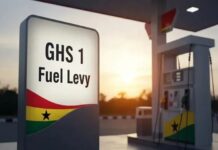

The Institute for Energy Security (IES) has opposed calls for the immediate removal of the GH₵1 fuel levy on petroleum products.
They warn that scrapping the charge without a sustainable alternative could undermine efforts to stabilize Ghana’s energy sector and address existing sector debts.
In a statement issued on March 18, 2026, the policy think tank acknowledged the financial pressure consumers are facing but stressed that the levy remains an important tool for stabilizing the country’s energy sector.
According to IES, the levy plays a key role in addressing legacy debts within the energy sector and supporting the cost of fuel used in power generation. Removing it abruptly, the institute warned, could disrupt ongoing reforms aimed at ensuring long-term energy security in the country.
“The levy remains a critical fiscal and energy sector stabilization tool,” the institute said, adding that removing it without a clear and sustainable replacement could significantly weaken efforts to manage financial shortfalls in the sector.
IES further cautioned that, a premature removal of the levy could widen Ghana’s fiscal deficit. The institute noted that government might eventually be forced to recover the lost revenue through other means such as new taxes or increased utility tariffs.
The institute reiterated its commitment to providing evidence-based policy recommendations to support a resilient and sustainable energy sector in Ghana.
IES also referenced its earlier recommendation to government to suspend the Price Stabilization and Recovery Levy component within the Energy Sector Shortfall and Debt Repayment Levy (ESSDRL) framework during periods of global oil price hikes.
The institute said the proposal was aimed at cushioning consumers while maintaining financial stability within the energy sector.
IES signed the statement urging policymakers to carefully consider the broader economic and energy sector implications before making decisions on the fuel levy.