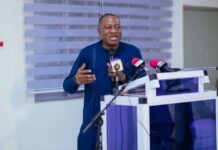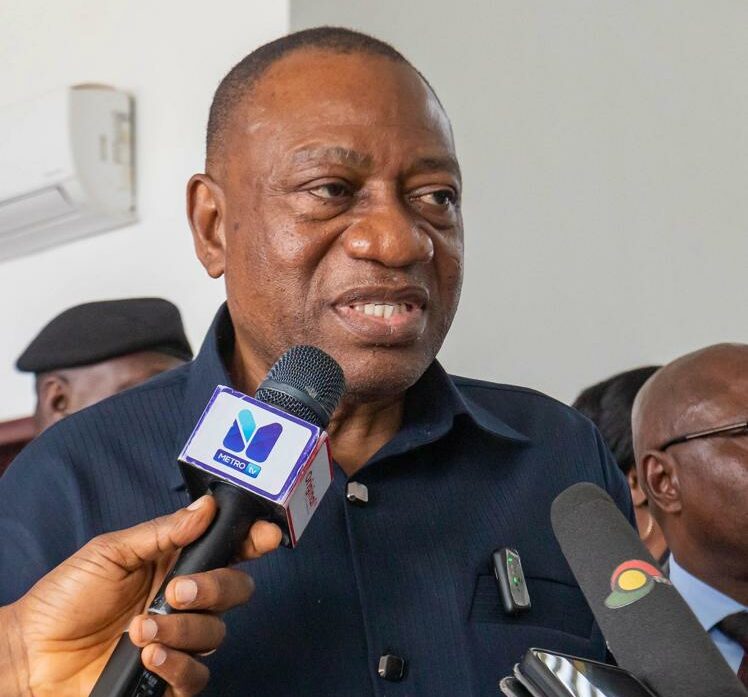

The Minister of Labour, Jobs and Employment, Dr. Rashid Pelpuo, has praised the Civil and Local Government Staff Association of Ghana (CLOGSAG) for suspending its nationwide strike and granting government a two-week window to address their concerns.
Speaking exclusively to Media General’s Labour Affairs correspondent, Daniel Opoku, Dr. Pelpuo described the decision as a demonstration of cooperation and understanding on the part of the Association.
“I want to commend the leadership of CLOGSAG and the people themselves for getting to understand how much government can go to address the problems,” he said.
Dr. Pelpuo revealed that government will immediately begin consultations with key stakeholders aimed at resolving the issues raised, particularly those relating to salaries and conditions of service.
“After government met with them, we told them our commitment. We will start resolving this matter, getting all the stakeholders on board. On all the things we need to do, eventually within fourteen days we should be able to get their issues across,” he stated.
He further emphasized that addressing such demands requires careful planning and collaboration across multiple sectors, noting that policy decisions cannot be made hastily.
“Government policy decisions are not taken overnight, and once such demands are made, it will take a multi-sectoral approach that requires full participation of members. We hope that within fourteen days all those that have to be consulted will be done to address their grievances,” he explained.
The Minister also acknowledged the financial implications of the demands, indicating that adjustments to the national budget may be necessary.
“We hope government can accommodate it with resources because if something comes within the financial year, you may have to do a lot of adjustment to the budget to address some of these issues. But I must say I am happy that CLOGSAG has called off its strike,” he added.
CLOGSAG recently suspended its industrial action after government appealed for time to resolve outstanding concerns, with members expected to resume work while negotiations continue.
By Daniel Opoku