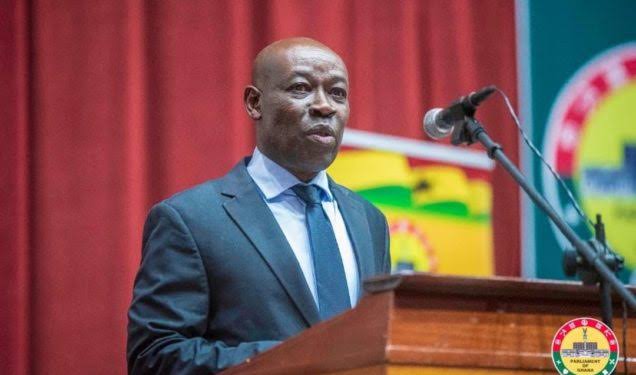

Legal practitioner, Thaddeus Sory, has advised lawyers to explore appropriate legal channels in getting their concerns on legal decisions resolved, rather than resorting to the media.
He says media campaigns, public pressure, and boycotts will not address the underlying issues, but could rather heighten tensions.
His comments stem from the directive by Chief Justice Paul Kwadwo Baffoe-Bonnie to selected High Court judges to sit during the legal vacation.
Many lawyers, particularly those with cases before the said judges, have raised concerns about the decision.
Lawyers for former National Signals Bureau Director-General, Kwabena Adu-Boahene, and former National Food Buffer Stock Company Chief Executive Officer, Hanan Abdul-Wahab Aludiba, have challenged the arrangement and asked for their cases to be deferred until October, when the new legal year begins.
He has urged lawyers with concerns over the directive to use the several legal options available to them, stressing the need to first engage the judicial system and present their objections to the judges handling their cases.
Sory added that any lawyer who feels a judge has been unfair to him can challenge the decision through the appropriate legal processes rather than turning immediately to the media.
He added that lawyers could also challenge decisions through an appeal or other legal proceedings, where appropriate.
“The judge is going to write the ruling. You can challenge it,” he said on the KSM show on Monday, August 17, 2026.
“If you are not happy with the Chief Justice’s decision, you can actually go and meet up with the Chief Justice and say, look, as parties, we want to come and discuss this directive,” he added.
He also questioned the practice of making allegations of political interference or bias before available legal remedies have been exhausted, urging lawyers to engage the system before making conclusions of political interests informing administrative decisions.
“Why don’t we engage the system in the appropriate way?” he asked.
According to him, public statements on sensitive court matters can sometimes heighten emotions rather than contribute to resolving the dispute. “Maybe the idea is to just inflame passions to get people to think the way they want them to think,” he said.