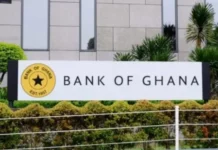

Governor of the Bank of Ghana, Dr. Johnson Asiama has stated that willful loan defaulters could soon be barred from accessing credit from any regulated financial institution in Ghana for up to five years.
He said this during a meeting with Chief Executives of commercial banks on August 13 2025, in Accra,
Under the new directive, commercial banks and other lenders will also be required to publish the names of such defaulters twice a year in at least two national newspapers and on their websites.
He noted that “we would emphasis clear regulation guidance at each instant and we would be supporting innovations that enhance the resilience as well as competitiveness of Ghana’s financial sector.”
Dr. Asiama explained that the measures are aimed at curbing the surge in non-performing loans and safeguarding the profitability, liquidity, and stability of the country’s banking sector.
In a related development, Dr. Johnson Asiama, has called on commercial banks to capitalise on the restored stability in the financial sector by increasing credit flow to key productive sectors and small businesses to drive Ghana’s economic recovery.
In a meeting with chief executives of commercial banks on August 13 2025,in Accra, Dr. Johnson Asiama emphasised the importance of translating financial sector stability into concrete economic progress. He urged banks to prioritise lending to sectors such as agriculture, manufacturing, and infrastructure—areas vital for job creation and sustainable development.
“We have worked hard to restore stability in the banking sector. It is now time for that stability to be translated into real economic growth. I am urging our banks to channel more credit into productive sectors of the economy and provide stronger support for SMEs, which remain the engine of job creation,” Dr. Asiama stated.
Highlighting the crucial role of small and medium-sized enterprises (SMEs) in Ghana’s growth agenda, he acknowledged their persistent challenges in accessing affordable financing. The governor stressed that banks must take a leading role in bridging this financing gap to unlock the full potential of SMEs.
Dr. Asiama also announced that the Bank of Ghana would soon introduce a comprehensive set of measures aimed at enhancing sector resilience, improving liquidity management, and fostering innovation within financial services. These initiatives are expected to better position the banking sector to support the country’s broader economic transformation goals.
This engagement with industry leaders is part of the central bank’s ongoing efforts to harmonise policy frameworks with private sector involvement to accelerate national development.