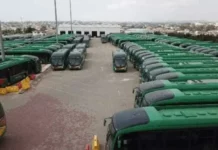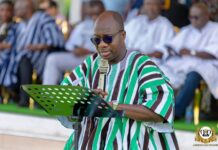

The Minister for Local Government, Chieftaincy and Religious Affairs, Mahama Ayariga, has presented new vehicles to Metropolitan, Municipal and District Chief Executives (MMDCEs) and Coordinating Directors to strengthen decentralisation and improve the supervision of development projects across the country.
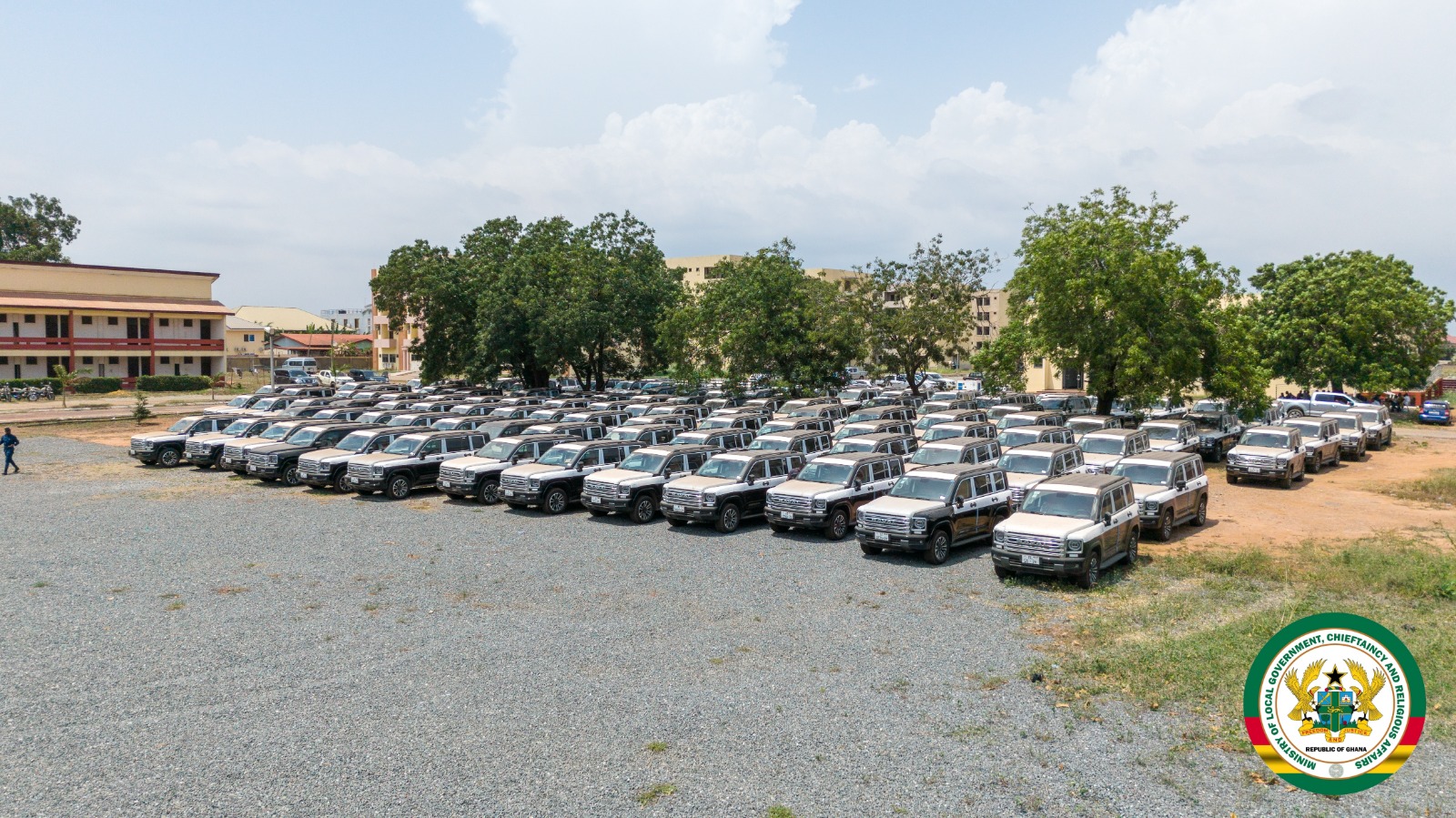
The vehicles comprise Haval H9 Sports Utility Vehicles (SUVs) for MMDCEs and pickup vehicles for Coordinating Directors to support their operational activities at the various assemblies.
Speaking at the handover ceremony, the Minister said the vehicles would enhance the mobility of local government officials, enabling them to monitor development projects, supervise activities and ensure the effective delivery of services to residents.
He explained that several MMDCEs had operated for about one and a half years without official vehicles, forcing some to rely on their private cars while others used pickups belonging to the District Road Improvement Programme (DRIP).
According to him, he had directed all MMDCEs using DRIP pickups for official duties to return them during the ceremony as part of a handover and takeover exercise.
“Many of you have been struggling for the past one and a half years without vehicles. Many of you use your own private vehicles, and some have seized the DRIP equipment pickups,” he said.
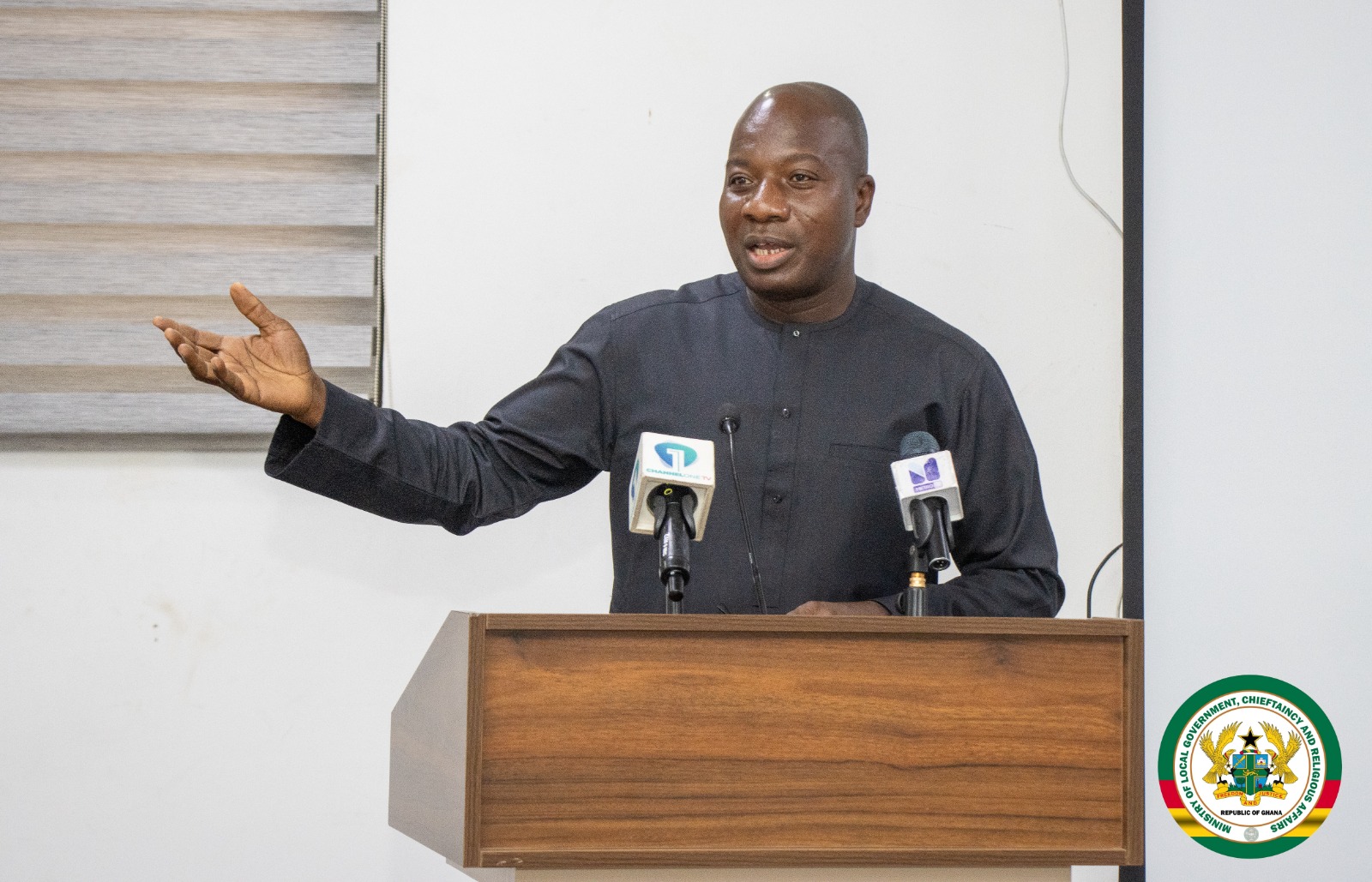
The Minister added that arrangements had been made for DRIP officials to receive the returned vehicles.
Mahama Ayariga described the distribution of the vehicles as a demonstration of President John Dramani Mahama’s commitment to strengthening decentralisation and improving local governance.
He said assemblies are now positioned to exercise greater control over resources to address the developmental needs of their respective communities.
The Minister attributed this to the government’s decision to ensure that 80 per cent of the District Assemblies Common Fund (DACF) goes directly to the assemblies, as well as the decision by the Minister for Finance, Dr. Cassiel Ato Forson, to uncap the fund to enable assemblies to receive their full allocations.
He described the arrangement as a departure from previous practices under which, according to him, the Common Fund was capped at about 30 per cent at the central level, limiting the resources available to assemblies.
He further explained that the government wanted decisions on contracts funded through the Common Fund to be made at the assembly level rather than being controlled centrally.
“We believe in investing in decentralization. Our people live in the localities that you govern, and so the resources must come to you to govern effectively, so that their experience of government would be one of a more responsive government,” he stressed.
Mahama Ayariga also noted that the resources available to MMDCEs were unprecedented in the history of Ghana’s local governance system, placing greater responsibility on them to deliver development outcomes.
The Minister issued a strong warning to the MMDCEs against using the newly distributed vehicles for personal activities unrelated to their official duties.
“These vehicles are meant for you to work. They are not meant for riding to girlfriend’s homes. They are not meant for those ones, so there will be enough officers to be watching,” he cautioned.
He emphasised that the vehicles were intended to support official responsibilities and improve service delivery at the local level.
The Minister urged the MMDCEs and Coordinating Directors to use the vehicles responsibly to strengthen project monitoring, improve administrative efficiency and ensure that government resources translated into tangible benefits for residents.
He stressed that effective decentralisation requires not only the provision of resources to local authorities but also the responsible management and use of those resources to meet the needs of the people.