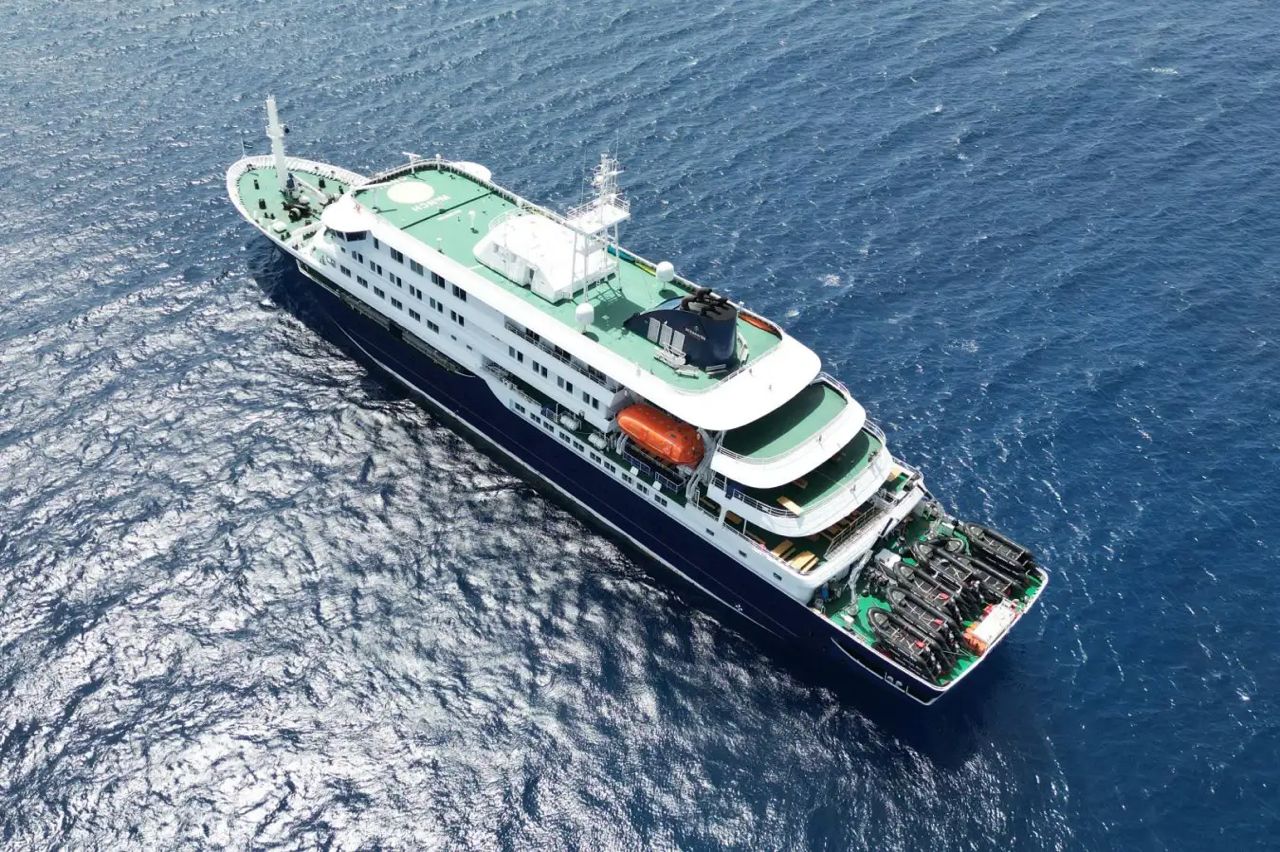

What was meant to be the adventure of a lifetime icy waters, towering glaciers, and luxury travel through the South Atlantic has now turned into an international health scare.
A suspected outbreak of hantavirus aboard the expedition cruise ship MV Hondius has left several passengers infected and at least three people dead, prompting urgent contact-tracing efforts across multiple countries.
What is deepening concern among health authorities is not only the reported fatalities, but the uncertainty surrounding how a virus typically associated with rodents may have spread in the confined environment of a cruise ship carrying passengers from around the world.
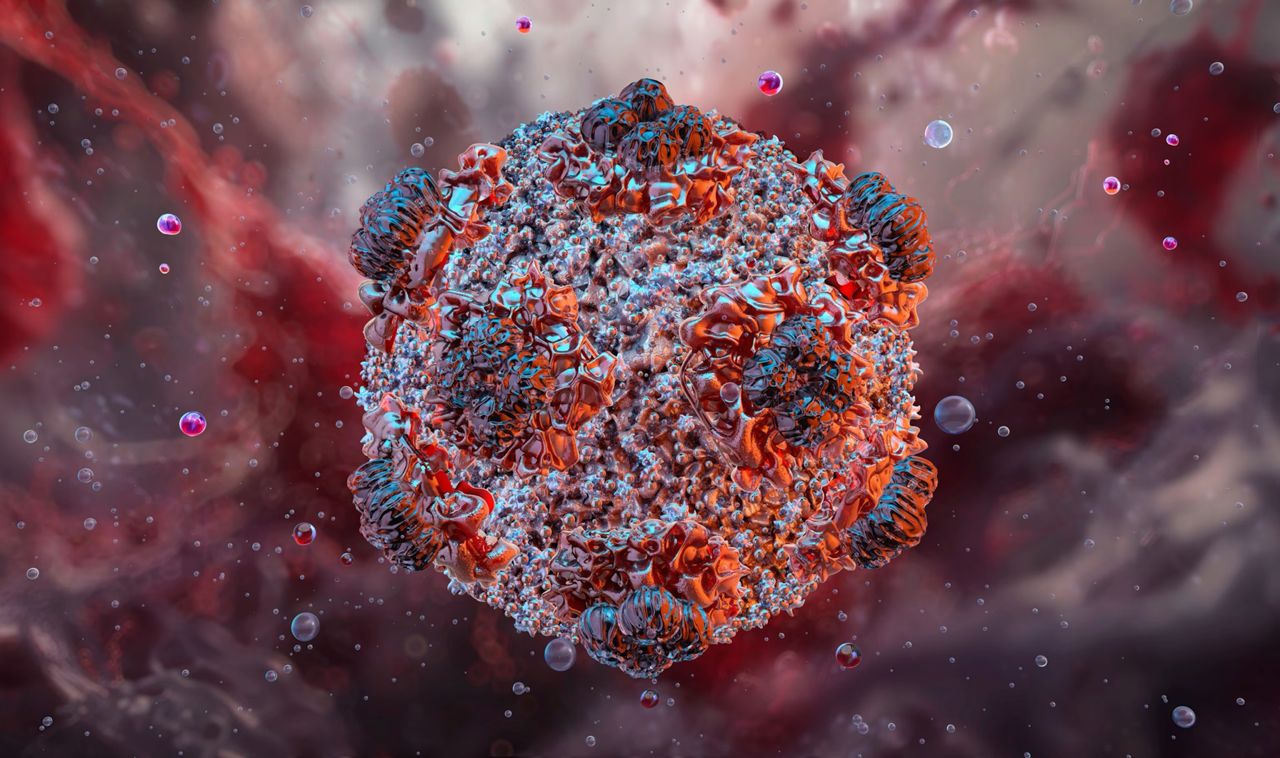
What is hantavirus?
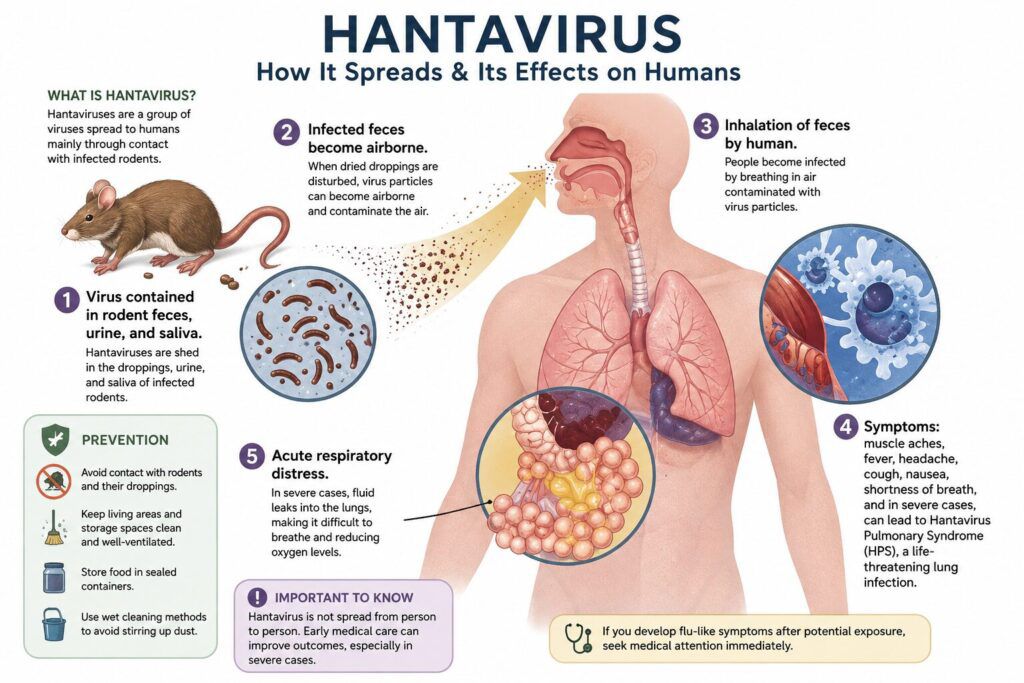
Hantavirus is a rare but potentially severe disease carried primarily by rodents. Humans are usually infected through exposure to contaminated particles from rodent urine, droppings, or saliva, often in enclosed or poorly ventilated environments.
For years, most hantavirus cases were considered environmentally driven, with very limited evidence of human-to-human transmission.
However, the current outbreak is believed to involve the Andes strain of the virus one of the few variants previously linked to limited person-to-person spread. That detail has significantly raised concern among investigators.
Rapid progression of symptoms
According to early reports, some passengers initially experienced flu-like symptoms including fever, headaches, muscle pain, and fatigue. In several cases, the illness reportedly escalated rapidly into severe respiratory distress.
This condition, known as hantavirus pulmonary syndrome, occurs when fluid accumulates in the lungs and can become fatal within days without urgent medical intervention.
Investigations underway
Health authorities are now working to determine where the initial exposure may have occurred. One theory suggests some passengers may have encountered infected rodents before boarding the vessel, potentially during travel through regions of South America where the Andes strain is known to circulate.
However, investigators are also examining whether the ship’s close quarters — shared dining areas, cabins, and prolonged passenger interaction — could have allowed for limited transmission onboard.
That possibility has shifted the incident from a contained medical concern to a broader international investigation.
Public risk remains low, experts say
Despite the seriousness of the outbreak, health experts emphasize that this is not considered a COVID-style pandemic threat.
Hantavirus remains rare, does not spread easily through casual contact, and there is currently no evidence of widespread community transmission linked to the cruise ship cases.
A broader warning for global health
While the overall risk to the public is considered low, the outbreak underscores a persistent reality in global health: infectious diseases tied to animal reservoirs can cross borders quickly in an era of mass travel and tourism.
What was once largely associated with remote rural exposure is now under international scrutiny aboard a luxury cruise ship a reminder that in today’s interconnected world, even the most unexpected environments can become the center of global health concern.
By Enyonam Haligah