
For farmers at Mankranso in the Ahafo Ano South-West district of the Ashanti region, protecting the forest was supposed to come with a reward.
But that promise is now being overshadowed by fear, frustration and allegations of illegal logging on farms where trees have been planted and nurtured for years.
The Director of the National Timber Monitoring Team, Alhaji Mohammed Kwaku Doku, says several farmers in the Mankranso catchment area have withdrawn from the Tree Tenure and Benefit Sharing Mechanism because they fear they may never benefit from the trees they protect.

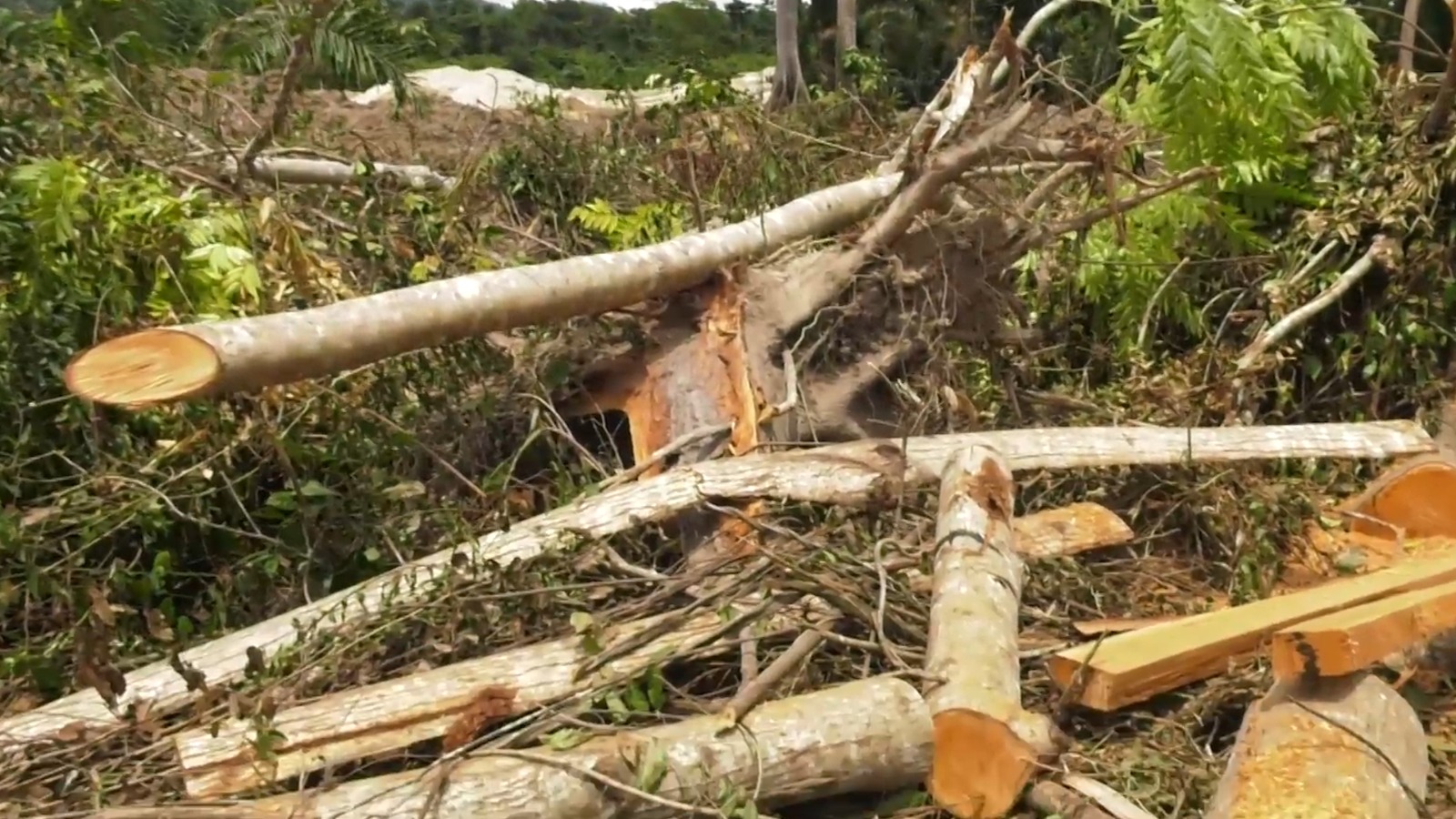
He alleges that armed chainsaw operators have invaded some farmer-owned plantations, harvesting mature trees and putting farmers and forest guards at risk.
According to him, a recent confrontation between forest guards and suspected illegal chainsaw operators turned violent.
“There were these illegal timber operators who entered somebody’s tree farm and started harvesting. The Forestry Commission people heard about it and they rushed to go and apprehend them, and it led to exchange of fire.”
He says the incidents are sending a worrying message to farmers who had been encouraged to participate in sustainable forest management.
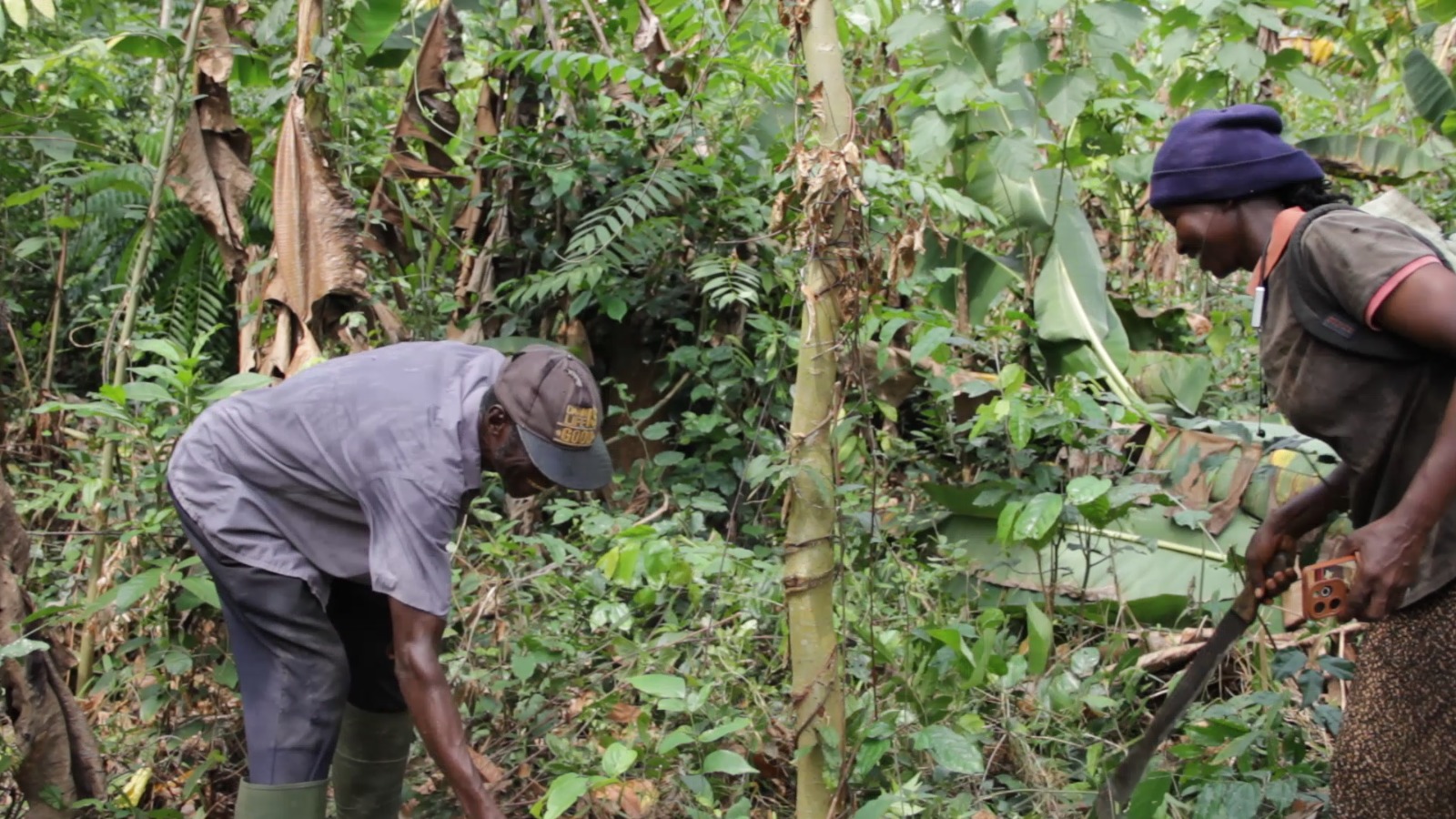
“The farmers are now saying that because they are attacked when the trees are matured for them to get their fair share, they can’t have it. And their lives are in danger. They are not going to involve themselves in any tree planting again because they won’t get anything.”
The concerns are not limited to farmers.
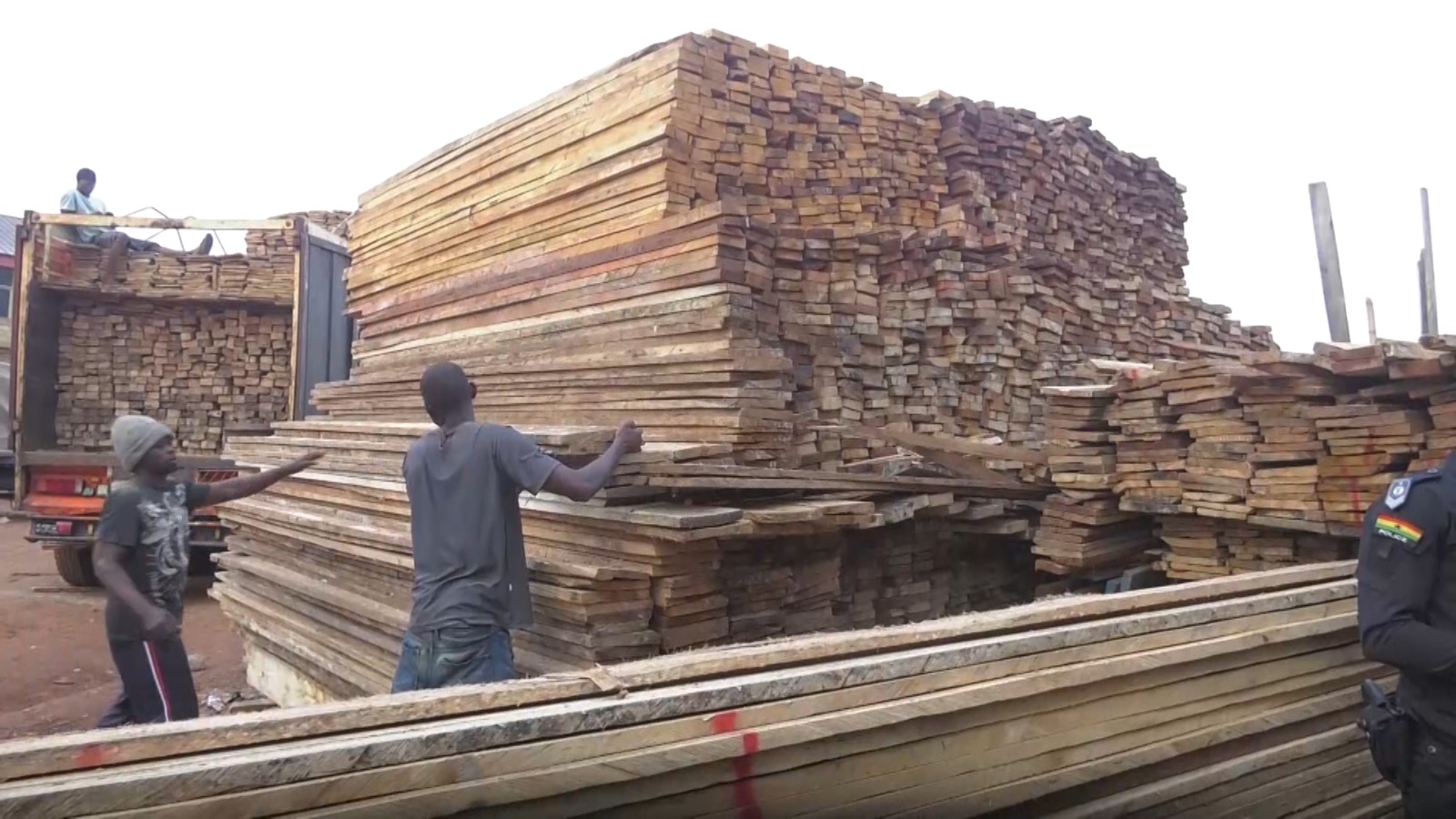
Timber traders in Kumasi are also accusing some security and forestry task forces of intimidation and extortion during inspections and the transportation of timber.
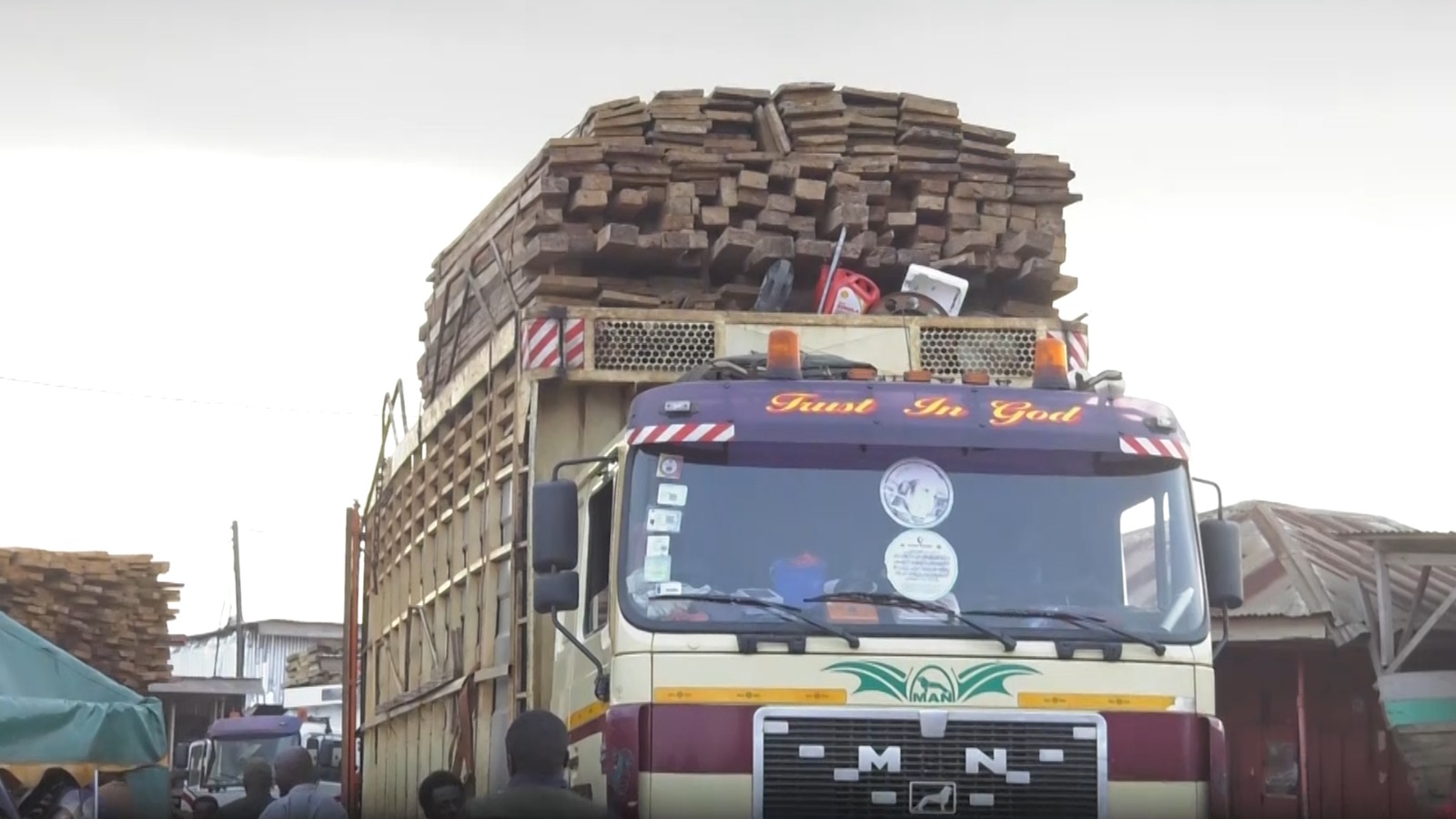
They claim they are sometimes asked to make unofficial payments over alleged documentation breaches.
“Forestry people and task force officers extort money from us, claiming our documentation is incomplete. When you get to Akomadan, they collect money. When you get to Kintampo, they collect money,” a visibly worried trader, George Nsiah shared.
The traders are appealing to government to streamline the documentation process and ensure that legitimate payments go to the state rather than individuals.
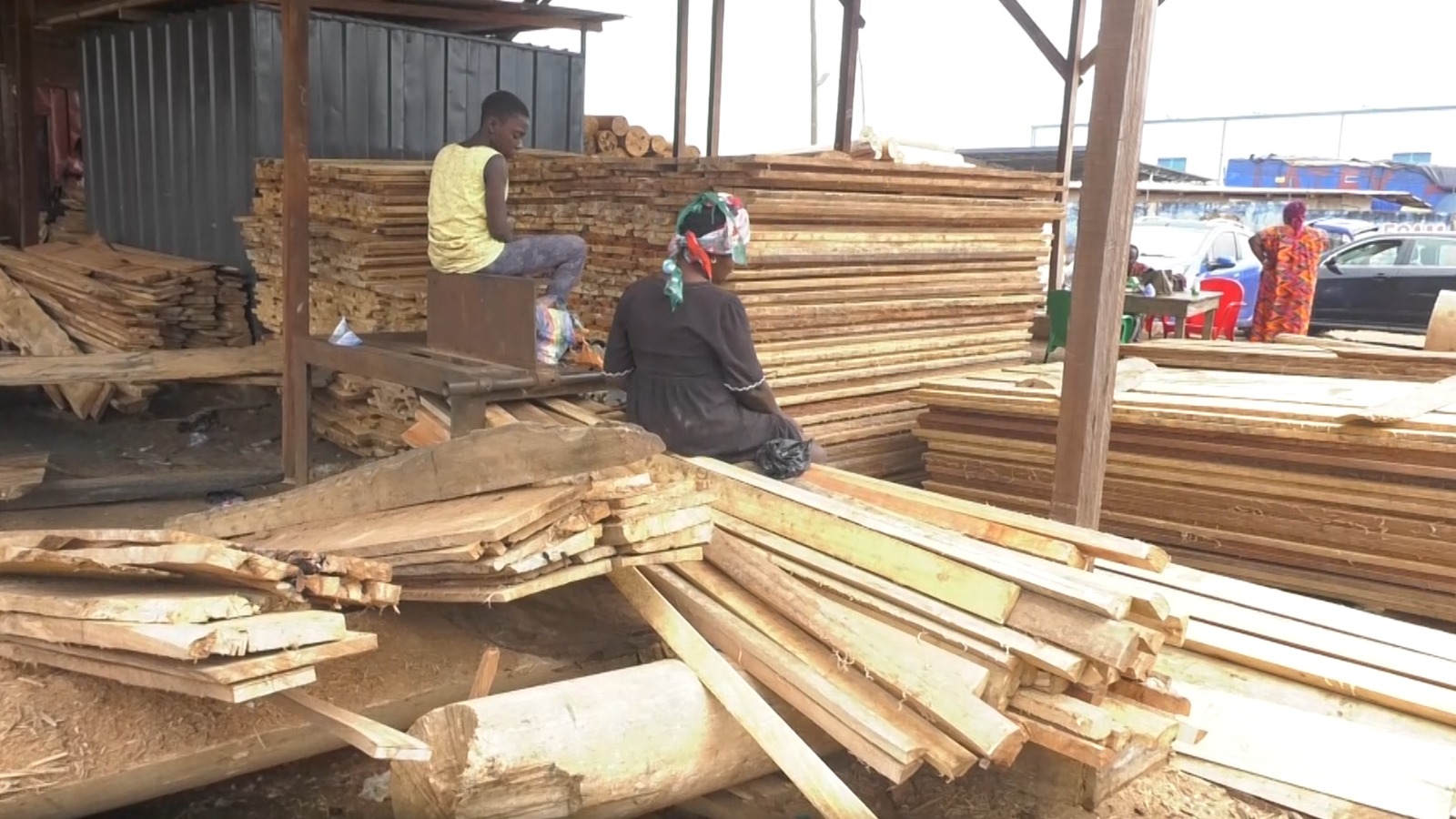
But the National Timber Monitoring Team insists that timber operators must have the required documentation before transporting their products.
Alhaji Mohammed Kwaku Doku is urging traders to obtain genuine licences and all necessary documents from the Timber Industry Development Division (TIDD).
He says proper documentation will protect legitimate businesses from unnecessary confrontations while helping authorities distinguish legal timber operators from illegal ones.
“If you are licensed and you authorize the sale and transportation of wood per the government regulations and documentation, no one can stop you.”
For the farmers of Mankranso, however, the issue goes beyond paperwork.
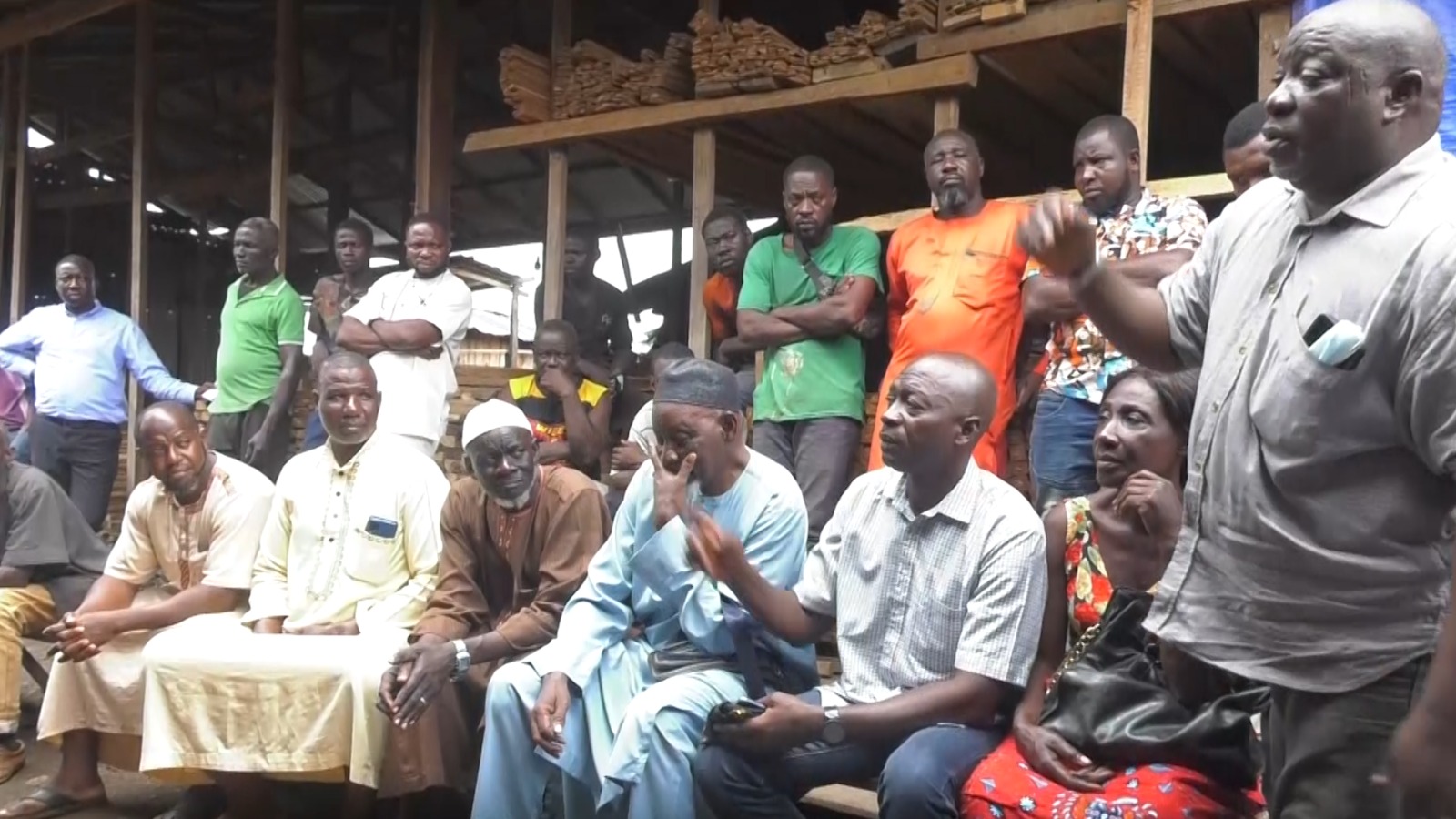
It is about whether they can continue investing their time and resources in protecting the forest when they feel unsafe on their own land and whether the trees they nurture today will truly benefit them tomorrow.
Until those concerns are addressed, the push for community participation in sustainable forest management could face a serious setback.