
Members of Parliament’s Select Committee on Lands and Natural Resources are calling for urgent reforms in Ghana’s forest protection strategy following a visit to the Nkawie Forest District in the Ashanti Region.
The committee expressed concern over the growing threat posed by illegal chainsaw operators, illegal mining activities, and inadequate staffing within the Forestry Commission.
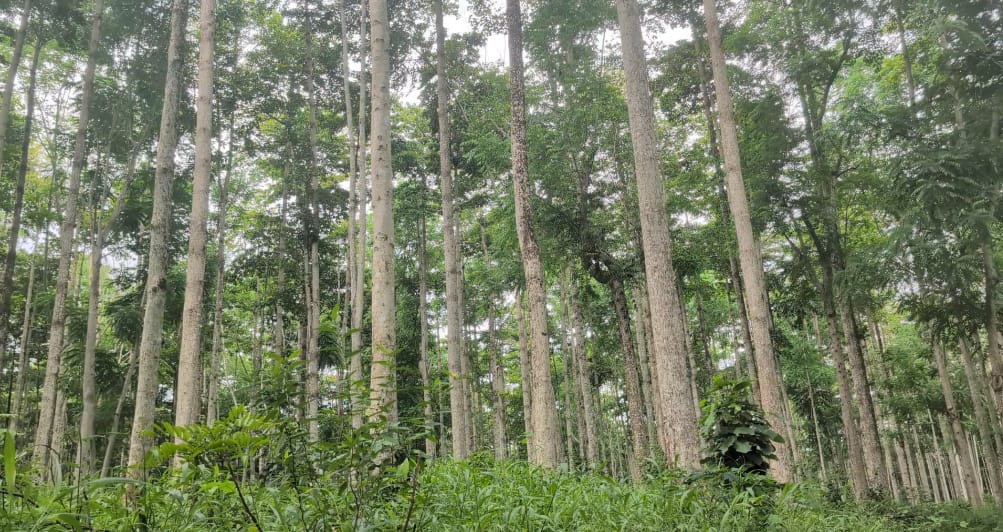
The Nkawie Forest District oversees four forest reserves in the region; Asenayo, Jimira, Tano Offin, and the Offin Shelterbelt.
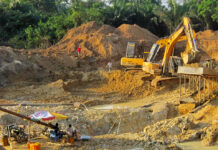
Across these reserves, illegal activities h ave destroyed several hectares of forest land.
Chairman of the Committee, Collins Dauda, said the country’s long-standing reliance on task forces to fight illegal logging and galamsey has failed to yield results.
“Over the years, we have been using task force as a means of combatting these illegal chainsaw operators and galamsey operators, but we are not getting the results. So as a country, we need to sit down and think of an alternative. Otherwise, our forests will disappear.”
The Parliamentarians described the staffing situation within the Forestry Commission as worrying, after learning that over 500 hectares of forest reserve in the enclave are currently being monitored by only 23 forest guards.
Deputy Ranking Member of the Committee, Akwasi Konadu stressed the need for government intervention to recruit more personnel to safeguard the country’s forest resources.
“The number of forest guards is woefully inadequate for the work they are doing. Government needs to give clearance for more recruitment so these forests and plantations do not end up being destroyed by illegal loggers and illegal miners.”
The lawmakers believe increasing staff numbers would help improve patrols and reduce attacks on forestry personnel.
The Acting Ashanti Regional Manager of the Forestry Commission, Kwabena Adu Bonah indicated that the Commission has introduced strategic forest camps in selected reserves as part of renewed efforts to improve surveillance and deter illegal operators.
“We now have 10 pilot camps across the country positioned at strategic areas in the reserves to fight illegal activities consistently. We believe this approach will help protect plantations and reduce forest depletion.”
According to the Forestry Commission, the Ashanti Region alone requires at least 205 additional staff to effectively manage and protect forest reserves.
Officials say despite the challenges, intensified operations have helped move some heavily degraded reserves from “red zones” to more stable conditions, allowing restoration efforts to begin.
By Ibrahim Abubakar