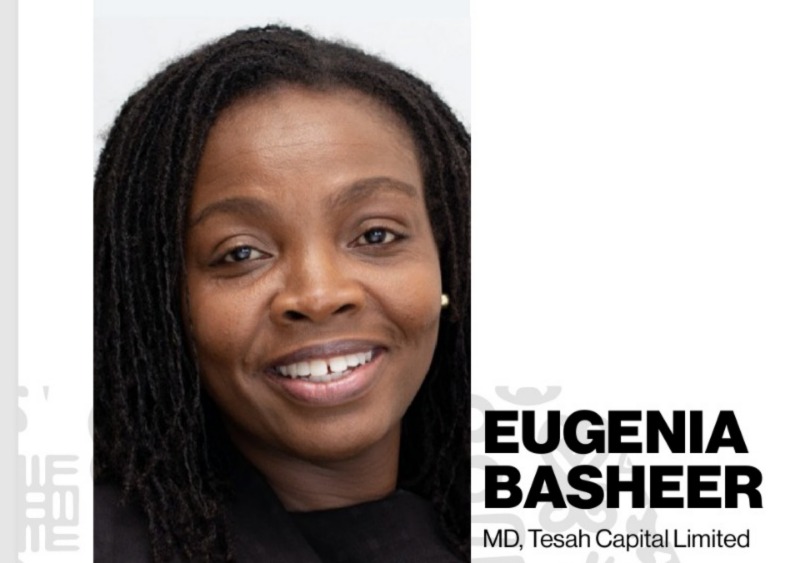

Managing Director of Tesah Capital Limited, Eugenia Basheer, has called for urgent regulatory and policy reforms to unlock Ghana’s investment potential, warning that existing rules are discouraging capital deployment into key sectors of the economy.
Speaking at Media General National Dialogue on March 25, Basheer highlighted longstanding challenges within Ghana’s investment and regulatory landscape.
She explained that, “while pension and investment guidelines have evolved over time to allow for alternative investments including sectors such as infrastructure and aviation, the actual level of investment remains extremely low.”
The dialogue was themed “Who Owns the Economy?”
According to her, despite provisions allowing up to 20 to 25 percent allocation into alternative investments, participation in that space remains minimal, hovering around just one percent. She attributed this gap to deeper structural and regulatory bottlenecks rather than a lack of available capital.
Basheer criticized what she described as inconsistent and sometimes counterproductive regulatory changes, noting that frequent rule adjustments and partial deregulation have failed to address core constraints within the system.
The Managing Director further raised concerns about the broader investment climate, suggesting that government policies at times appear to work against investors seeking to channel funds into the real sector.
Citing taxation as a major barrier, Eugenia Basheer pointed to what she described as double taxation, where companies pay corporate taxes and shareholders are also taxed on dividends—as a disincentive to equity investment. She also referenced uncertainties surrounding capital gains tax, which she said have reduced investor confidence in the capital markets.
The Tesah Capital Managing Director also highlighted structural challenges in sectors such as real estate, explaining that legal and tax requirements including stamp duties tied to real estate investment trusts make it difficult to mobilize pension funds into property development.
Despite these challenges, Basheer stressed that, “Ghana has significant untapped potential, particularly in infrastructure financing, where the country faces an estimated annual funding gap of about $2.5 billion.”
She urged government to go beyond regulatory adjustments and introduce targeted incentives that will encourage investment, build confidence, and enable greater mobilization of domestic capital.