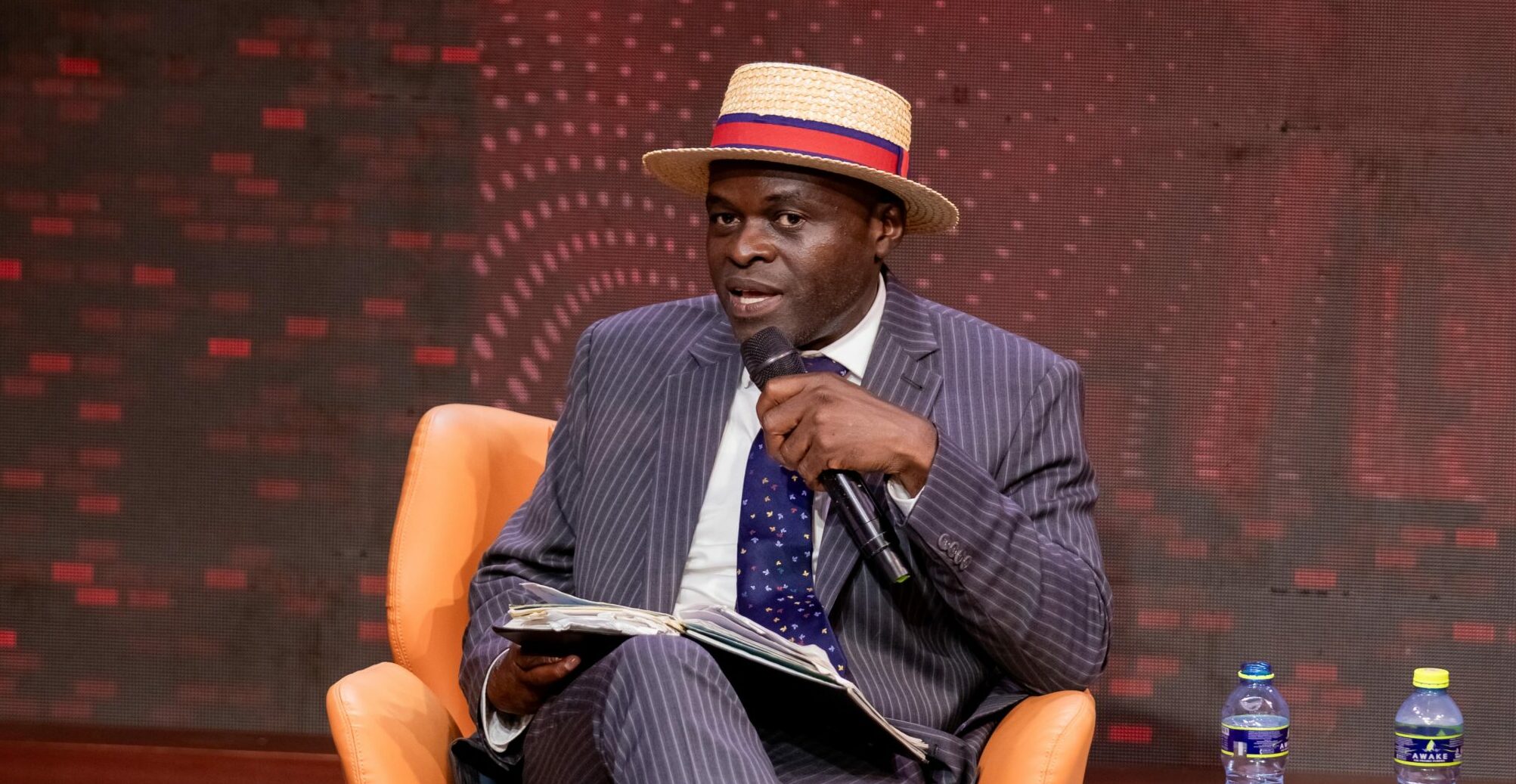

Martin Luther Kpebu, a legal practitioner and anti-corruption advocate, has called for more institutions to be created to tackle corruption in Ghana.
Speaking on Media General’s Dialogue on “Lifestyle Audits: Enhancing Public Service Ethics” on Monday, November 24, 2025, he noted that the Commission on Human Rights and Administrative Justice (CHRAJ) is overburdened, calling for specialist divisions to be created to deal with specific matters.
Kpebu believes creating more institutions with division of labour would enhance the fight against corruption, rather than collapsing existing ones. He argued that this approach would allow for more efficient handling of cases and better outcomes in promoting public service ethics.
By creating specialist institutions, Ghana can more effectively tackle corruption and ensure accountability among public officials. This approach, he noted, would help address the current backlog of cases and improve overall governance.
“I don’t believe in collapsing institutions; create a new one because I can tell you on authority that CHRAJ is overburdened currently,” he stated.
Kpebu cited an instance where Manasseh Azure reported public officials to CHRAJ over two years ago for failing to declare their assets, with investigations still pending.
“Manasseh and co went and reported people –for failing to declare their assets and up till date, they are not done with it. CHRAJ is overstretched, human rights, too many functions for CHRAJ. So break it down and have a specific specialist institution,” he reemphasised.
The calls for lifestyle audits have become rife in Ghana, following corruption and corruption-related cases that have characterised public office in the country over the years. This has created the need to have a law that will guide the enforcement in that regard.
The Speaker of Parliament, Alban Sumana Kingsford Bagbin, in June 2025, announced that Parliament was set to begin drafting a legislation to support lifestyle audits for individuals suspected of amassing unexplained wealth in the country.
The law will help Ghana’s fight against corruption, where persons who acquire wealth suspected to be outside their income stream would be put before the law to proof the authenticity of their wealth.
The Speaker, addressing the House on Monday, June 9, 2025, he noted that the proposed bill would empower state institutions to investigate the lifestyles of public officials, politically exposed persons, and private individuals whose standard of living does not correlate with their known sources of income.
“I am, to this end, receiving a lot of input to process legislation on lifestyle audits,” Mr. Bagbin stated. “I’m happy to hear OSP also included it in their statement. We will legislate and stop this impunity of people flaunting ill-gotten wealth in the face of poor Ghanaians.”
He shared how the proposal has gained traction among senior members of government and civil society, including Vice President Prof. Jane Naana Opoku-Agyemang, who also recently expressed support for such reforms.
Speaker Bagbin’s announcement aligns with growing calls by anti-corruption institutions and advocates who are calling for aggressive legal tools to fight graft in the country.
Meanwhile, the Special Prosecutor, William Kissi Agyebeng, has also shared how his outfit is working to ensure there are constitutional reforms to allow lifestyle audits and asset seizures, even without a criminal conviction.
Addressing participants at the West Africa Regional Anti-Corruption Policy Dialogue in Accra, Mr. Agyebeng described as outdated, the current legal framework, saying they are ineffective for curbing modern corruption schemes.
He proposed a “reverse onus” clause that would require individuals to explain the source of their wealth or risk forfeiture of unexplained assets.
“In matters of anti-corruption, prevention is always better than cure,” he said. “Investigations and prosecutions are slow, expensive, and often unproductive due to entrenched secrecy and wealth layering.”
The Special Prosecutor stated that lifestyle audits remain one of the most cost-effective ways to expose and deter illicit enrichment, adding that asset recovery should not be contingent upon lengthy criminal proceedings.
MG Dialogues: I don’t believe in collapsing anti-graft institutions – Kpebu