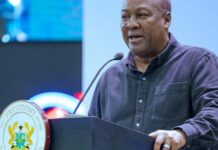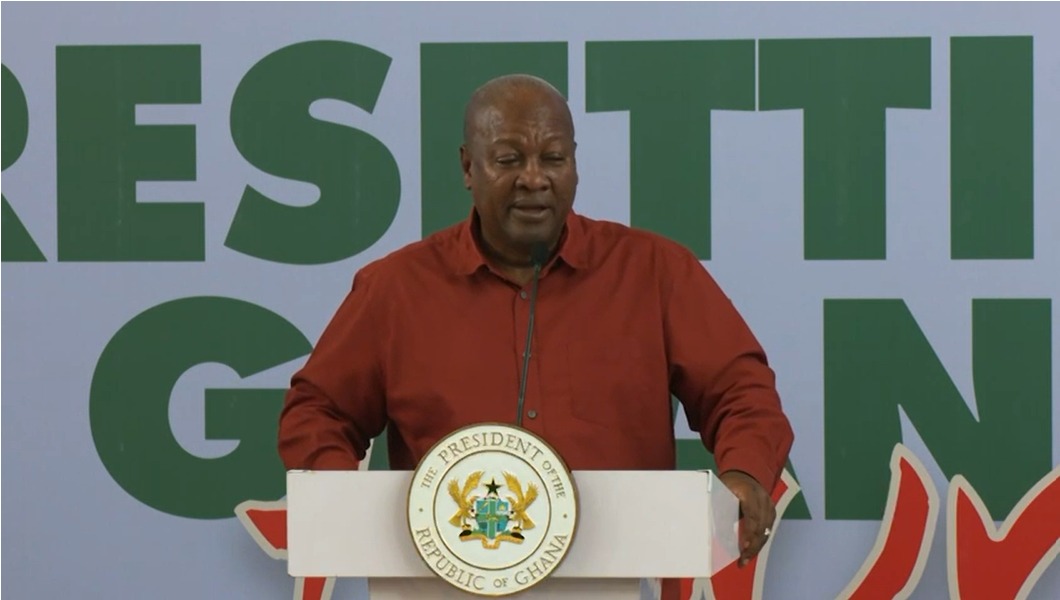

President John Dramani Mahama has reaffirmed his administration’s commitment to fighting corruption, insisting that no appointee found to have abused public office will be pardoned.
He disclosed that he has consistently advised his appointees to strictly comply with laid-down procedures and avoid actions that could undermine public confidence in government.
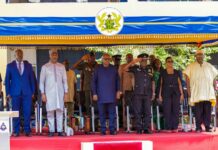
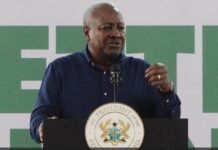
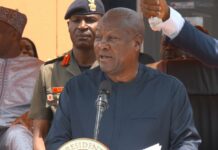
Speaking during the Citizens Engagement with the President in Ho in the Volta Region on Friday, July 17, he assured that accountability efforts will be guided strictly by evidence and not political considerations.
“Like I keep saying, the sword does not cut one way. If we find evidence that any of our current appointees or persons working in government under our tenure has also abused the public trust, the way the sword is cutting that way, it will cut this way too,” he said.
“I always caution my appointees to be very careful. Be sure you follow the procedure; don’t cut corners,” President Mahama added.
President Mahama rejected suggestions that political opponents were being targeted, stressing that every case is handled based on its merits.
“It should not be like we are trying to hound our political opponents or something. We proceed on the basis of evidence we have received and then the evidence is weighed to determine if it is sufficient,” he said.
According to the President, state investigative bodies only proceed with arrests after conducting thorough investigations and carefully assessing the available evidence.
He explained that not every complaint received by investigative agencies results in prosecution, noting that some cases are either discontinued or subjected to further investigations where the evidence is found to be inadequate.
“There are many times we have reports and all that. Sometimes the evidence comes and it is not substantive and so you would say, on the weight of this evidence, you cannot proceed to court, and so discard it or investigate further and see if there is something else that you have not found,” he stated.
President Mahama said agencies such as the Economic and Organised Crime Office (EOCO) and the Office of the Special Prosecutor (OSP) undertake months of investigative work before taking enforcement action.
“By the time EOCO or OSP comes to arrest a person, it means that months of work have taken place reviewing the evidence,” he noted.